
Rubio Holds Key Talks With Modi in New Delhi
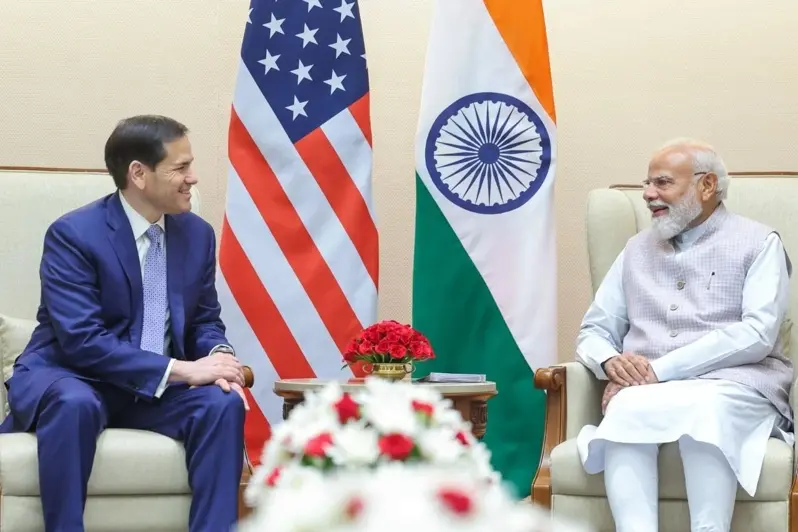
U.S. Secretary of State Marco Rubio met Indian Prime Minister Narendra Modi on Friday to discuss trade issues, energy cooperation, and regional security as Washington seeks to repair growing tensions with India.
The meeting comes at a sensitive time for U.S.-India relations following tariff disputes, concerns over America’s recent diplomatic moves in Asia, and growing geopolitical tensions linked to the Iran conflict.
According to U.S. officials, Rubio emphasized the importance of strengthening economic and strategic ties between the two countries during the talks.
Energy Supply and Iran Conflict Discussed
One of the main topics during the meeting was energy cooperation. The United States has long encouraged India to reduce its dependence on Russian oil imports, but recent instability in the Middle East and the Iran conflict have complicated those efforts.
Before his visit, Rubio said Washington wanted to increase energy exports to India as part of broader cooperation between the two nations.
According to the U.S. summary of the meeting, Rubio told Modi that “U.S. energy products can help diversify India’s energy supply.”
Rubio’s office also stated that the Secretary of State stressed the United States “will not allow Iran to hijack the global energy market.”
The Indian government did not directly mention Iran in its official statement after the talks. However, Modi reportedly reiterated India’s support for peace efforts and called for resolving conflicts through dialogue and diplomacy.
Trade Disputes Continue to Strain Relations
Trade tensions remain one of the biggest challenges in the U.S.-India relationship. Last year, the Trump administration imposed combined tariffs of up to 50% on Indian goods, partly linked to India’s continued purchase of Russian crude oil.
Earlier this year, both countries reached a temporary tariff agreement that reduced U.S. tariffs on India to 18%. However, the arrangement later faced legal complications after the U.S. Supreme Court reportedly ruled that the tariff level should instead be 10%, causing negotiations to stall once again.
Media reports suggested Rubio attempted to reduce tensions surrounding the tariff dispute during his visit, although no major breakthrough was announced after the talks.
Pakistan’s Role Adds New Friction
Another issue affecting ties between Washington and New Delhi is the United States’ recent engagement with Pakistan, India’s regional rival.
Pakistan has recently acted as a mediator in discussions linked to the Iran conflict and broader regional peace efforts involving the United States. Analysts say India views the growing U.S.-Pakistan cooperation with caution, adding fresh strain to relations between Washington and New Delhi.
Modi May Visit White House Soon
India had reportedly hoped to invite President Donald Trump to visit the country through the Quad security partnership involving the United States, India, Japan, and Australia. However, experts believe those plans have slowed because of trade disputes and Washington’s focus on the Iran situation.
Despite current tensions, both sides signaled interest in maintaining strong diplomatic ties. U.S. Ambassador to India Sergio Gor said Rubio’s visit also included an invitation from Trump for Modi to visit the White House in the near future.