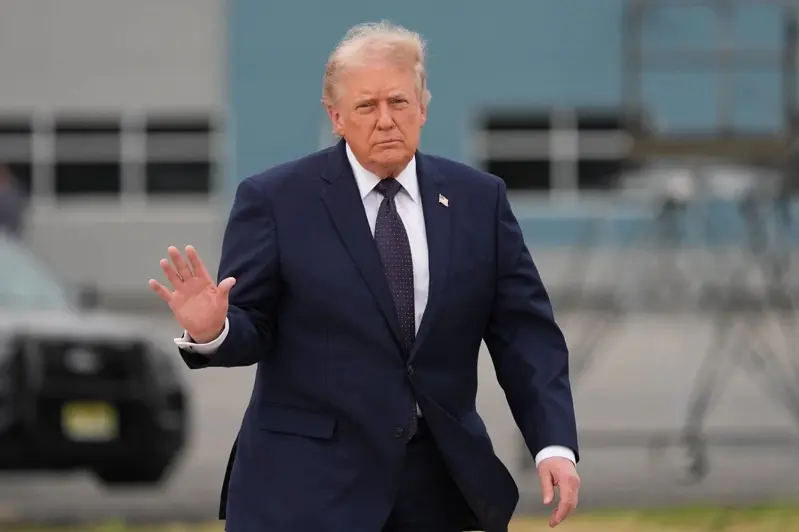

WASHINGTON: The administration of U.S. President Donald Trump has finalized new rules limiting the length of stay for foreign students and international journalists in the country.
The move is part of the administration’s efforts to tighten immigration policies but has drawn criticism from media groups and higher education institutions, which fear it could undermine media freedom and the appeal of U.S. universities to international students.
Trump finalized new regulations limiting foreign student visas to a maximum of four years, while foreign journalists are permitted to stay in the country for only 240 days per entry.
The rules, expected to take effect as early as September, stipulate that foreign students may only remain for the duration of their studies, subject to a four-year maximum limit.
For foreign journalists, the visa duration is capped at 240 days—or approximately eight months—though they may apply for an extension of the same length.
Journalists from China face stricter conditions, permitted to stay in the U.S. for only 90 days per entry, with a maximum extension of 90 days.
This measure is part of a tougher immigration policy that was a key agenda of the Trump administration, which included tightening enforcement in major cities and restricting legal immigration pathways.
However, the new rule has drawn heavy criticism from media freedom organizations and higher education institutions.
Reporters Without Borders (RSF) described the restrictions on foreign journalists as a move that undermines media freedom.
“These changes destroy the ability of international journalists to report from the U.S. and make it difficult for foreign media organizations to operate in the country,” said Ben Grazda, RSF’s North America Advocacy Manager.
RSF also urged the U.S. Congress to intervene to ensure foreign journalists can continue their work without unreasonable restrictions.
The Committee to Protect Journalists (CPJ) characterized the move as a sign of declining democratic practices and media freedom in the country.
The rule was finalized after the Department of Homeland Security (DHS) received nearly 22,000 public comments since the proposal was first introduced in August 2025.
When presenting the proposal, the DHS claimed that some foreign students were repeatedly extending their studies solely to remain in the U.S. as “perpetual students.”
According to the department, the existing system—in place since the late 1970s—made it difficult for authorities to monitor student visa holders.
Official data shows that the US hosted over 1.1 million international students during the 2023-2024 academic year, cementing its status as the world’s most popular education destination.
Their presence contributed more than US$50 billion (RM204 billion) to the US economy in 2023.
However, higher education groups have warned that the new regulations would diminish the appeal of US universities to talented students from around the globe.
The Presidents’ Alliance on Higher Education and Immigration stated that the move would merely add bureaucratic red tape and undermine the competitiveness of the country’s higher education institutions.
Several universities have also reportedly recorded a decline in international student enrollment following previous actions by the Trump administration, including the revocation of thousands of student visas and the suspension of billions of dollars in federal research funding.
Proposals to extend the visa duration for foreign journalists to between two and five years were also rejected by the Department of Homeland Security (DHS), as were requests to expedite the application process and cap visa fees.
Trump had previously proposed similar regulations toward the end of his first term as president, but they were rescinded by his successor, Joe Biden.