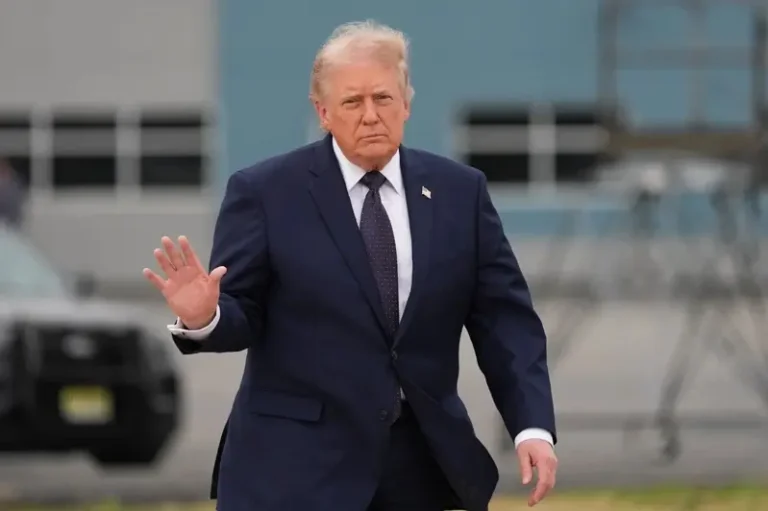
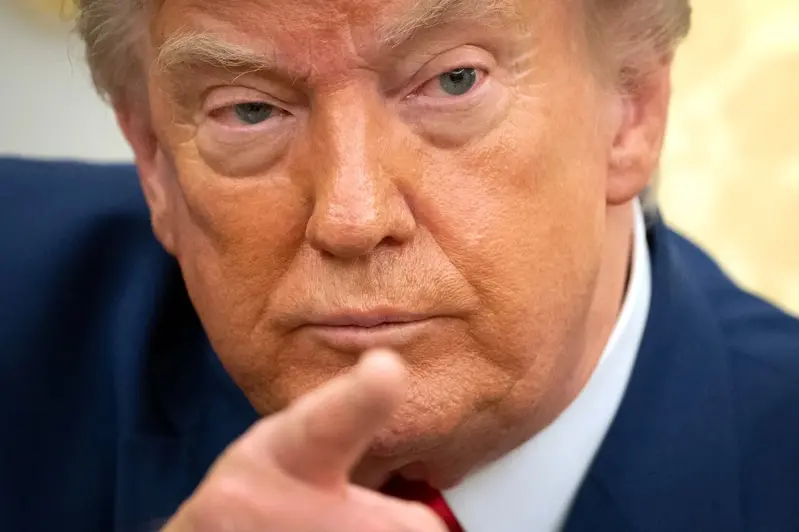

Bloomberg reports that US President Trump announced on the 21st that tariffs on generic drugs will be implemented in three phases . A zero tariff will be maintained for two years starting August 1st of this year, followed by a 100% tariff in August 2028, and then doubled to 200% the following year. More than 90% of prescription drugs in the US are generic drugs, covering painkillers, antibiotics, cholesterol-lowering drugs, and cancer medications, largely produced in India , Europe, and China. Trump’s tariffs could disrupt the global supply chain, drive up drug prices, and even cause drug shortages, affecting millions of Americans.
Among the US’s trading partners, India will be the most severely impacted. Nearly half of the major pharmaceutical products sold in the US are supplied by Indian pharmaceutical companies, and the US market accounts for about one-third of India’s pharmaceutical exports. According to data from the Indian Ministry of Commerce, pharmaceuticals are one of India’s top three exports to the US, with total exports reaching $10.5 billion in 2024-2025. Combined with existing tariffs on steel, aluminum, and automobiles, over 40% of India’s exports to the US will be adversely affected.
Bloomberg points out that while China’s exports of generic drugs to the United States account for a small percentage, Chinese manufacturers supply a significant proportion of specific medicines, including antibiotics, anticoagulants, and drugs to prevent organ transplant rejection.
According to a report by CNBC, Deborah Elms, head of trade policy at the Hinrich Foundation in Singapore, said the move shows that Trump intends to bring low-cost drug production back to the United States. However, setting up factories in the US is costly and complicated, and almost all raw materials still need to be imported. Therefore, even if tariffs are raised to 200%, it may not be enough to change the cost considerations of pharmaceutical companies.
Nathan Gray, a scholar at the University of Adelaide in Australia, said that if generic drugs are manufactured in the United States, overseas pharmaceutical companies will lose their low-cost advantage and will have no choice but to raise prices or withdraw from the market. This could reduce competition and the supply of generic drugs, forcing consumers to buy more expensive brand-name drugs instead.
Since April 2, the United States has imposed a 100% tariff on patented drugs and ingredients under Section 232 of the Trade Expansion Act, but exempts generic drugs, biosimilar drugs and related ingredients; large pharmaceutical companies and small pharmaceutical companies that rely on contract manufacturing are given a grace period of 120 days and 180 days, respectively.
On the other hand, more than a dozen pharmaceutical companies, including Eli Lilly, Pfizer, and Novo Nordisk, have agreed to lower drug prices under Trump’s “most favored nation” policy in exchange for a three-year tariff exemption. Trump stated that patented and branded drugs would not be affected by this potential measure.