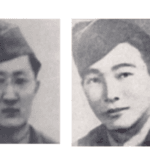


HONOLULU — More than 80 years after they gave their lives fighting for the United States during World War II, seven Japanese American soldiers will finally receive long-overdue recognition. In a solemn ceremony scheduled for Monday in Honolulu, the men will be posthumously promoted to officer ranks, honoring their service, sacrifice, and perseverance despite facing discrimination from their own country.
The seven soldiers were students at the University of Hawaii and cadets in the Reserve Officer Training Corps (ROTC) when Japan launched its surprise attack on Pearl Harbor on December 7, 1941. At the time, they were on a clear path to becoming commissioned officers in the U.S. Army. That future, however, was abruptly taken away when the attack triggered widespread suspicion and discrimination against Japanese Americans across the country.
Labeled “enemy aliens” after Pearl Harbor
In the immediate aftermath of Pearl Harbor, the U.S. government barred most Japanese Americans from military service, classifying them as “enemy aliens” regardless of their citizenship or loyalty. The seven ROTC cadets, despite their training and commitment, were removed from officer tracks and stripped of their military status.
Initially, they were allowed to serve in the Hawaii Territorial Guard, a local defense force. However, that opportunity was short-lived. As fear and prejudice intensified, Japanese Americans were largely excluded from active military roles, even as the nation prepared for war.
Service through the Varsity Victory Volunteers
Determined to prove their loyalty, the seven cadets joined a civilian labor unit known as the Varsity Victory Volunteers. The group consisted primarily of Japanese American students who performed physically demanding but non-combat tasks, including digging ditches, clearing land, and breaking rocks for military infrastructure projects.
Though they were denied the right to fight, their work supported the U.S. war effort at a critical time. Their dedication played a key role in changing public and military perceptions of Japanese Americans.
Joining the legendary 442nd Regimental Combat Team
In early 1943, American military leaders reversed course and announced the formation of a segregated Japanese American fighting unit — the 442nd Regimental Combat Team. The seven former ROTC cadets were among those who immediately volunteered.
The 442nd, alongside the 100th Infantry Battalion composed largely of Japanese Americans from Hawaii, went on to become one of the most decorated units in U.S. military history. Fighting primarily in Europe, the unit earned a reputation for extraordinary bravery, suffering heavy casualties while achieving critical battlefield victories.
Fighting abroad while families were imprisoned at home
Many soldiers in the 442nd fought for American freedom even as their own families were confined in Japanese American internment camps back home. Labeled as security risks, thousands of Japanese Americans were forcibly relocated and detained during the war.
Despite this injustice, the soldiers of the 442nd demonstrated unwavering loyalty. Their motto, “Go for Broke,” came to symbolize courage, sacrifice, and determination against overwhelming odds.
A long-overdue recognition
The upcoming promotion ceremony in Honolulu seeks to correct a historical injustice. Military officials and historians say the seven soldiers were denied officer commissions solely because of their ancestry, not their ability or dedication.
By posthumously promoting them to officer ranks, the U.S. military is formally acknowledging both their service and the discrimination they endured. Family members, veterans, and community leaders are expected to attend the ceremony, which many see as both a tribute and a reminder of the cost of prejudice.
Remembering their legacy
The honor serves not only to recognize the seven men but also to highlight the broader contributions of Japanese Americans during World War II. Their story stands as a powerful example of patriotism in the face of injustice and a lesson about the importance of safeguarding civil rights, even during times of national crisis.
As the nation reflects on its past, the ceremony underscores the enduring truth that loyalty and bravery know no race — and that recognition, even delayed, still matters.