
AI summary
Summary of article:
Rumors that Trump would prefer to use diplomacy to deal with the Iran issue after the US midterm elections have led to a decline in international oil prices. However, the attack on the Strait of Hormuz has not stopped and the risk of escalating regional conflict is still high.
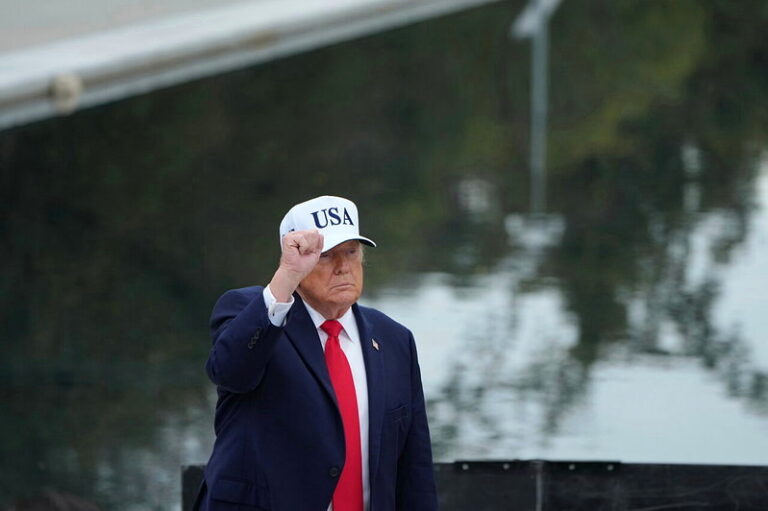
International oil prices fell more than 1% after the opening on the 2nd. There were reports that after the US midterm elections, the President of the United Statestrump I hope I can decide whether to restore it or notiran Give diplomacy more time to resolve problems before launching attacks.
After rising more than 2% last Friday, Brent crude oil futures fell 1.5% to US$111.74 per barrel in early trading on the 2nd; West Texas Intermediate crude oil (WTI) futures fell 1.7% to US$102.42 a barrel.
According to Axios, citing two sources, Trump told this to the Israeli Prime Minister during a phone call.netanyahu This strategy worries Netanyahu, while expressing his preference for a diplomatic approach.
Another sign of attack in the Strait of Hormuz, peace talks reduce panic a bit
US Secretary of State Rubio said on Saturday that no decision had been taken yet on whether to launch a new round of strikes and that Trump preferred to resolve the eight-month-old conflict through diplomacy. While attacks on ships around the Strait of Hormuz continue, efforts to promote peace talks have somewhat eased fears of renewed fighting.
Brent crude rose sharply in October to a six-month high despite the resumption of crude oil shipments in the Strait of Hormuz. Britain’s Maritime Trade Action Office said on Sunday it had received reports that a ship had been hit by a projectile in the Strait of Hormuz. Earlier, a liquefied natural gas (LNG) carrier was attacked last Friday.
Trump said last week that peace talks were continuing, but he has repeatedly threatened to resume attacks on Iran after the midterm elections. The Wall Street Journal reported that a senior military commander briefed Trump on options for military action on Thursday.
Military options go hand in hand with talks, Iran orders army to be ready to retaliate
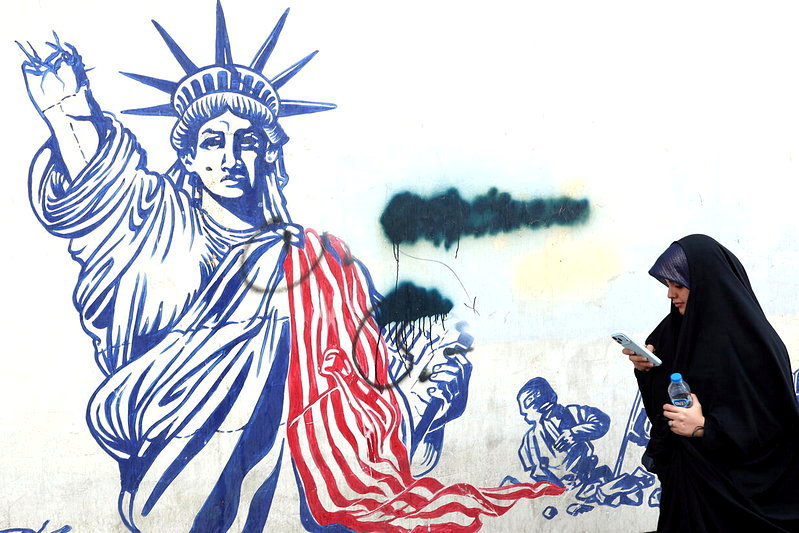
Iran’s supreme leader Mojtaba on Saturday ordered military commanders to prepare for an immediate retaliatory strike without geographical restrictions and expanded the list of possible targets for the United States and Israel. The Iranian military also warned that if the United States and Israel launched another attack, the war would spread to a much larger area.
“If the enemy resumes military or terrorist attacks, it will be the Armed Forces of the Islamic Republic and the Iranian people who will decide when and under what conditions the war will end,” Mujtaba said in a statement posted on Telegram.
But at the same time, Iran’s Foreign Minister also indicated that progress has been made in diplomatic talks. The Iranian delegation reached Qatar last Saturday for talks with mediators. Qatar is leading regional mediation efforts in hopes of striking an interim agreement between the United States and Iran before the US midterm elections.
War could impact infrastructure and many countries in the Middle East are worried about the worst
Many countries in the Middle East are now concerned that if the United States and Israel launch another attack on Iran, which is better prepared, it could trigger a war that would affect the entire region and cause more serious damage. Ultimately these Gulf countries will have to bear the cost of post-war reconstruction.
There are concerns in Iran and across the Middle East that Trump and Netanyahu may plan to launch a new wave of large-scale offensive attacks against Iran after the US vote ends on Tuesday. It is expected that the targets of the attack will include Iran’s nuclear facilities, missile facilities, power plants and other infrastructure.
Iran has threatened a forceful counterattack, leaving Persian Gulf countries worried that energy facilities and other civilian infrastructure in the region, including airports and desalination plants, could be attacked again.