
Nicaragua announced today that it is severing diplomatic relations with Italy because Italy has long requested the extradition of a former member of the Red Army brigade who was convicted of the 1978 assassination of former Italian Prime Minister Aldo Moro, but the Nicaraguan constitution prohibits the extradition of its own citizens.
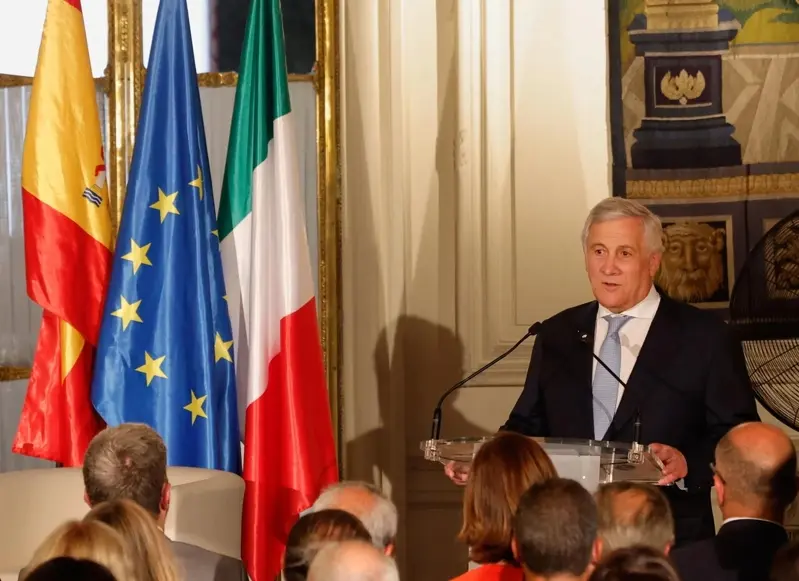
Reuters reported that the Nicaraguan Foreign Ministry said in a statement that the decision was prompted by Italian Foreign Minister Antonio Tajani’s criticism of Nicaragua’s asylum in Italy-born Alessio Casimirri.
Although Casimiri admitted to being a member of the Red Army during Italy’s “Years of Lead” in the 1970s and 1980s, he denied involvement in the attack on Moro. An Italian court convicted him in absentia and sentenced him to life imprisonment.
When asked for its opinion on Nicaragua’s severing of diplomatic ties, the Italian Foreign Ministry reiterated Tagani’s call for the extradition of Kasimiri.
Tagani commented yesterday: “We want to tell Nicaragua that it is unacceptable for a criminal to be granted immunity from punishment.”
Molotov, the former Prime Minister of Italy and leader of the Catholic Democratic Party, was kidnapped in March 1978 by the far-left Red Brigades. The Red Brigades demanded that the government release its imprisoned members in exchange for Molotov’s safety, but about two months later, Molotov was found dead in the trunk of a car.
Kasimiri fled to Nicaragua in 1983, when the country was governed by the left-wing Sandinista Front. He obtained Nicaraguan citizenship in 1989, married a Nicaraguan woman, and later ran an Italian restaurant in the capital, Managua.
Italy has been trying to extradite Casimi for decades, but its efforts have repeatedly failed.
The Nicaraguan government revoked Kasimiri’s citizenship in 1993, but the Nicaraguan Supreme Court ruled in 1999 that citizenship can only be revoked by the courts. According to the Nicaraguan constitution, extradition of its own nationals is prohibited, and there is no bilateral extradition treaty between the two countries.