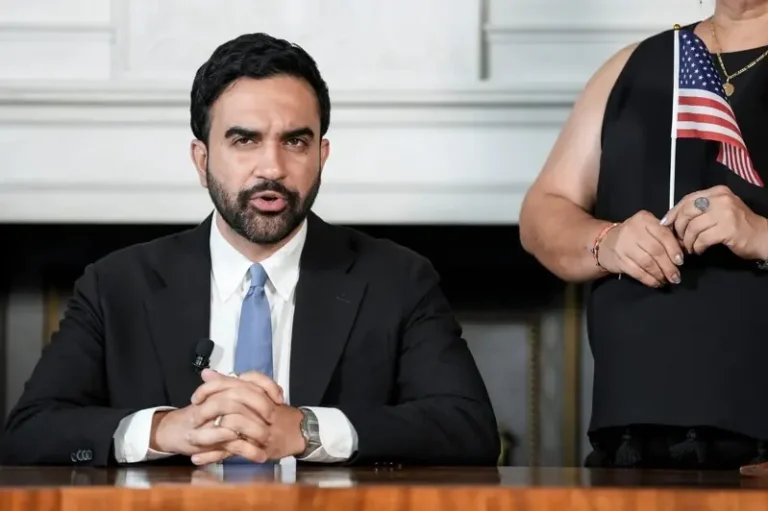

Budget negotiations for New York City’s new fiscal year have stalled at the last minute. The City Council’s progressive caucus is exerting strong pressure to force Mayor Zohran Mamdani to change his stance on temporarily halting the expansion of the CityFHEPS program in an effort to secure funding.
As the largest local housing assistance program in the United States, CityFHEPS aims to subsidize homeless people and vulnerable families facing eviction, requiring them to pay only 30% of their income for rent, with the remainder subsidized by the program. According to official city data, in the last fiscal year, more than 26,000 people successfully moved out of homeless housing using these vouchers.
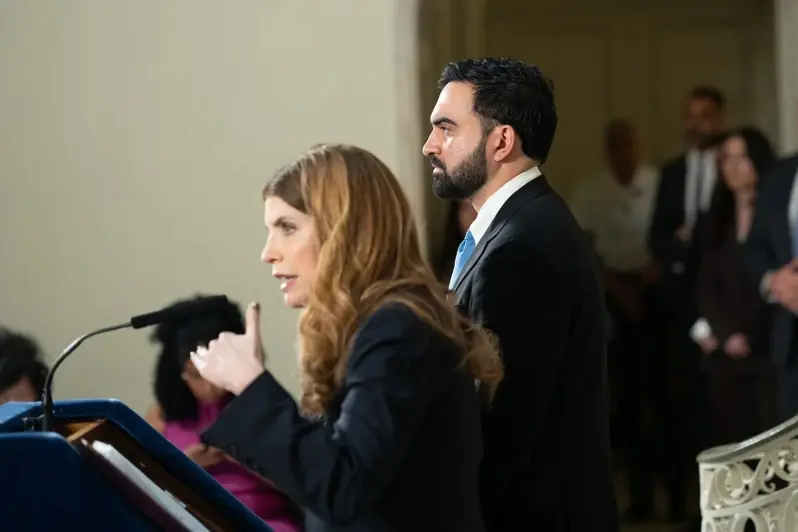
Members of the city council’s progressive caucus launched an intensive online campaign on social media this weekend. Prior to this, City Council Speaker Julie Menin and several council members held a rally in front of City Hall on Friday the 26th to push for the expansion of the plan.
Pierina Sanchez, chair of the city council’s housing committee, revealed that this disagreement was the reason for the budget delay. Menning even missed the “handshake ceremony” with Mandani to reach a budget agreement, which forced the postponement of the budget vote originally scheduled for Monday (29th).
The city council voted in 2023 to expand CityFHEPS rent subsidies, but this was blocked by a lawsuit filed by former mayor Eric Adams. Although Mandani had included this in his campaign platform, facing a $5 billion budget deficit after taking office, he chose to continue the lawsuit from his predecessor’s timeline to postpone the plan. Menning recently urged the city to drop the lawsuit and instead cooperate with the council; a mayor’s spokesperson responded that the plan must undergo structural reforms to ensure financial sustainability.
Supporters of the plan cited data showing that the daily cost of housing each homeless person in a homeless shelter is as high as NT$270, while the rental subsidy is only NT$54. Expanding the plan could save the city government NT$635 million over five years.
However, with both federal and state governments reducing aid, policy experts warn that local city budgets simply cannot replace federal spending. The Citizens’ Budget Committee (CBC), a watchdog group, further warns that the plan already costs $1.7 billion in fiscal year 2026, and if expanded hastily, spending could surge to between $4.7 billion and $9.6 billion by fiscal year 2030. Despite these serious financial concerns, the city council emphasizes its commitment to securing this crucial expansion.