
By Saurabh Katiyar | Islamabad
Pakistan-led mediation pushes Washington and Tehran closer to possible breakthrough agreement
The United States and Iran are reportedly moving closer to a possible agreement aimed at ending months of conflict, raising hopes that a dangerous regional war could finally slow down.
According to regional officials and a diplomat familiar with the negotiations, both sides are reviewing a Pakistan-backed memorandum of understanding that could become the foundation for a broader peace framework.
The sources said a final decision could arrive within the next 48 hours if negotiations continue progressing.
The discussions come as the United States still weighs the possibility of launching new military attacks against Iran, making the negotiations extremely fragile.
Iranian officials recently signaled that differences between Washington and Tehran have narrowed during the latest round of diplomatic contacts.
US Secretary of State Marco Rubio also hinted that negotiations were advancing.
“There’s been some progress made,” Rubio told reporters during a visit to India. “There may be news later today.”
Pakistan and Qatar Play Key Diplomatic Roles
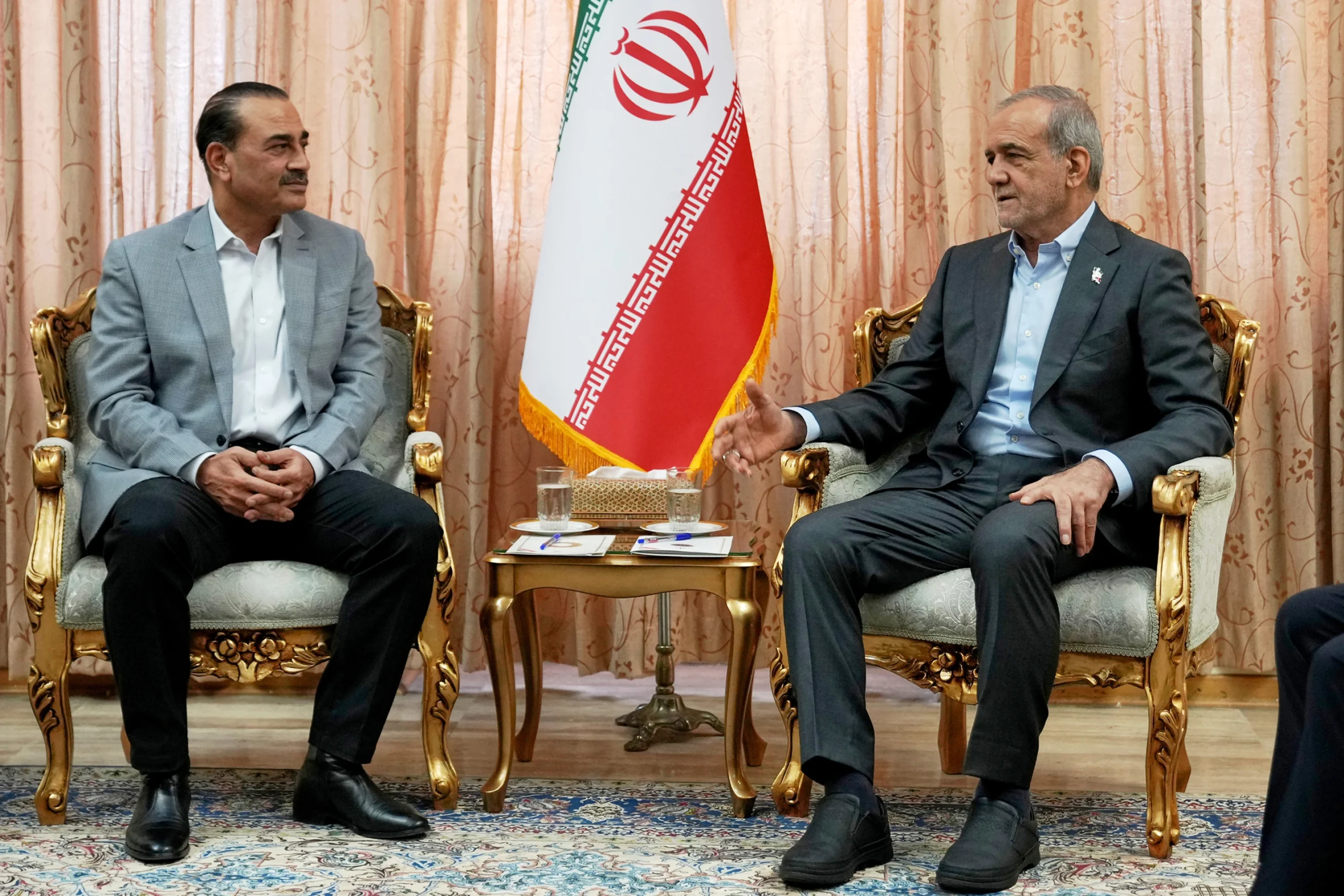
Officials involved in the talks said Pakistan’s military leadership has become deeply involved in mediation efforts.
Pakistan Army Chief Field Marshal Asim Munir reportedly held additional meetings in Tehran with senior Iranian leaders, including Foreign Minister Abbas Araghchi and President Masoud Pezeshkian.
Sources said Vice President JD Vance, special envoy Steve Witkoff and Jared Kushner also played important roles in helping reduce tensions between both sides.
Qatar reportedly joined the diplomatic push by sending a senior official to Tehran to support Pakistan’s mediation efforts.
Iranian state television described the draft proposal as a “framework agreement” rather than a final peace deal.
Foreign Ministry spokesperson Esmail Baghaei said the current discussions focus mainly on ending the war before moving to other major issues such as Iran’s nuclear program.
“We want this to include the main issues required for ending the imposed war,” Baghaei said.
He explained that more detailed negotiations could continue for another 30 to 60 days if both sides accept the initial framework.
Iran also confirmed that the Strait of Hormuz remains one of the key issues under discussion.
You can also read our coverage on Iran’s Strait of Hormuz Fee Plan Sparks Global Alarm Despite Trump Warning Trump Airport Threat Sparks Panic Across US Travel Industry
Nuclear Dispute and Military Threats Still Remain
Despite signs of progress, both countries continue defending their core positions publicly.
Rubio repeated Washington’s demand that Iran must never obtain nuclear weapons and must surrender highly enriched uranium.
Iran, meanwhile, insists sanctions relief must remain part of any future agreement.
Baghaei said lifting economic sanctions remains one of Tehran’s “fixed positions” in negotiations.
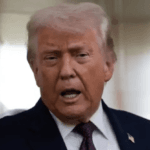
At the same time, Iranian officials warned the conflict could quickly escalate again if President Donald Trump resumes military attacks.
Iranian Parliament Speaker Mohammad Bagher Qalibaf said Tehran had already rebuilt major military assets damaged during the recent fighting.
He warned that any renewed attacks by the United States would lead to consequences “more crushing and more bitter” than earlier stages of the war.
The conflict originally intensified after US and Israeli attacks on Iran in February disrupted previous negotiations.
Iran later responded by effectively closing the Strait of Hormuz, one of the world’s most critical energy shipping routes, creating serious economic pressure on global oil and gas markets.
The United States then expanded pressure by blockading Iranian ports.
US Central Command claimed Saturday that American forces had already turned away more than 100 commercial vessels and disabled four ships since the blockade began in April.
Although diplomats now express cautious optimism, analysts warn the situation remains highly unstable.
Any breakdown in negotiations could quickly push the Middle East back toward wider military confrontation.
For now, governments across the region are closely watching whether the latest diplomatic effort can finally prevent another escalation between Washington and Tehran.