
Civil rights group targets major college sports programs in Republican-led states
By Saurabh Katiyar | Washington
The NAACP has launched a major boycott campaign targeting college sports programs in several Southern states, accusing Republican-led governments of weakening Black voting rights through redistricting changes and election policies.
The campaign, called “Out of Bounds,” was announced Tuesday and urges Black athletes, fans, alumni and families to stop supporting public university athletic programs in states where lawmakers are accused of reducing Black political representation.
The civil rights organization said Black athletes generate enormous wealth for universities while Black communities continue facing voting restrictions and redistricting changes.
“Black athletes should not be asked to generate wealth, prestige and power for state institutions while those same states strip political power from Black communities,” NAACP President Derrick Johnson said.
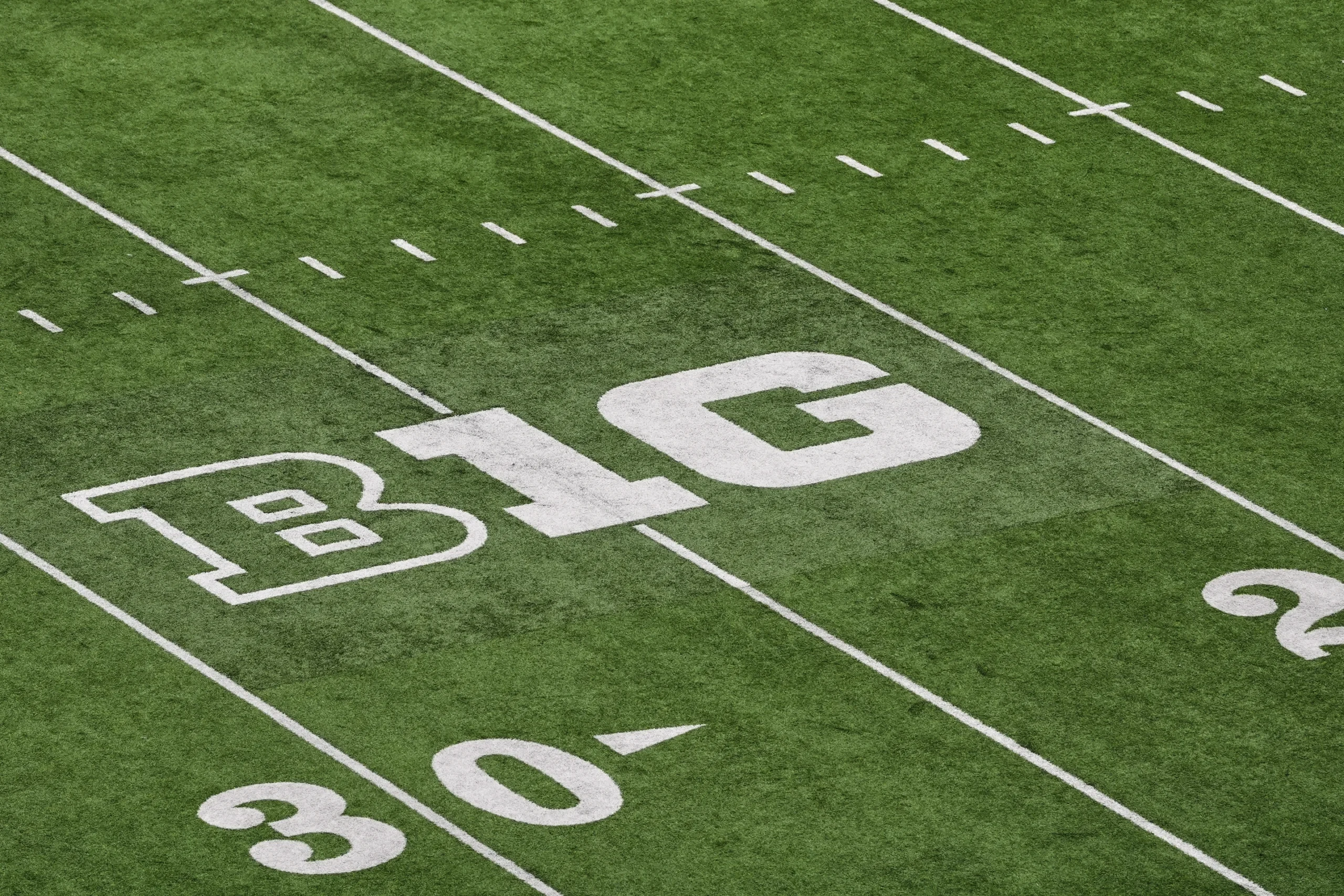
The boycott effort targets major universities in Alabama, Florida, Georgia, Louisiana, Mississippi, Texas and South Carolina. Many of those schools compete in powerful athletic conferences such as the Southeastern Conference (SEC) and Atlantic Coast Conference (ACC).
If large numbers of athletes join the boycott, experts say it could seriously affect football and basketball programs that rely heavily on Black athletic talent.
Voting Rights Fight Sparks Sports Boycott
The NAACP’s campaign comes after years of legal battles over voting maps and congressional districts across the South. Civil rights groups argue that several Republican-controlled legislatures weakened Black voting power after a Supreme Court ruling reduced protections under the Voting Rights Act of 1965.
Activists have strongly criticized new district maps that removed or weakened majority-Black congressional districts in several states.
The NAACP said Black athletes have played a major role in building billion-dollar college sports programs across the country.
“Across the South, Black athletes have helped build some of the most profitable college athletic programs in America,” Johnson said.
He added that these programs generate massive revenue through television deals, merchandise sales, ticket sales and alumni donations.
Civil rights groups are now trying to pressure universities and athletic conferences to publicly oppose redistricting plans they consider unfair to Black voters.
You can also read our coverage on the U.S. voting rights debate and political pressure on college sports programs.
Congressional Black Caucus Adds Pressure
The Congressional Black Caucus (CBC) also increased pressure on college sports leaders this week. On Monday, the CBC sent a letter to SEC Commissioner Greg Sankey, ACC Commissioner Jim Phillips and NCAA President Charlie Baker.
Lawmakers warned they could oppose the SCORE Act unless athletic conferences take a stand against Republican-led redistricting efforts.
The SCORE Act is a proposed federal bill designed to create national rules for college athlete contracts and compensation rights.
“The Congressional Black Caucus believes institutions that profit from Black talent and Black communities have a responsibility to stand with those communities when their fundamental rights are under attack,” the CBC said in a statement.
The caucus added that remaining silent during voting rights disputes amounts to “complicity.”
Political analysts say the NAACP’s boycott strategy could increase national attention on voting rights issues ahead of future elections. However, critics argue that student-athletes and universities should not become political targets in battles over state election laws.
The campaign is expected to generate debate across college sports and politics in the coming months, especially in states where football programs hold major cultural and economic influence.
According to reports from
AP News
,
civil rights activists are planning additional demonstrations and economic pressure campaigns related to voting rights disputes across the South.