
Federal investigators examine whether Boeing failed to address possible design flaw before the accident
Federal safety investigators on Tuesday opened a two-day hearing to examine the engine failure that caused a UPS cargo plane to crash near Louisville’s Muhammad Ali International Airport last year, killing 15 people. The National Transportation Safety Board (NTSB) is investigating how the aircraft’s engine detached during takeoff and whether Boeing failed to address a known flaw that may have contributed to the disaster.
The crash occurred in November when the MD-11 cargo aircraft, carrying packages and large amounts of fuel, attempted to depart for Hawaii. According to investigators, the plane had only just lifted off the runway when one of its engines separated from the wing, causing the aircraft to lose control before crashing into nearby commercial buildings. Three pilots aboard the aircraft and 12 people on the ground were killed, while several others suffered injuries.
NTSB Chairwoman Jennifer Homendy addressed the victims’ families during opening remarks and emphasized the board’s commitment to uncovering the exact cause of the tragedy.
“Please know: Your loved ones are the reason we’re here. We want to find out what happened,” Homendy said during the hearing.
The hearings involve NTSB investigators, Boeing officials, UPS representatives, labor unions, aviation experts, and federal regulators. Officials stated that the investigation will continue for several months and that the final report is unlikely to be released before next year because every possible contributing factor must be examined.
Dramatic Moments Before the Crash
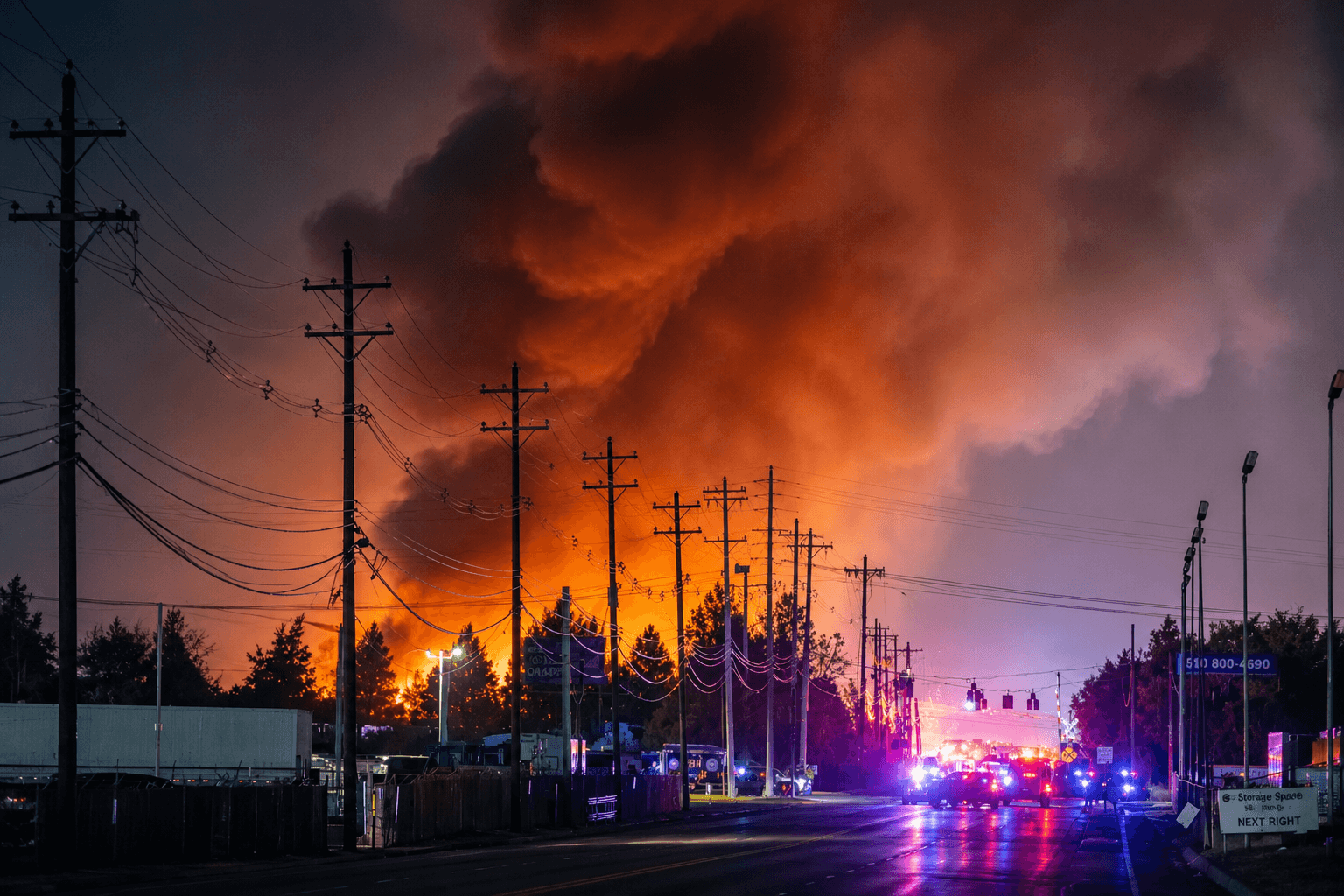
Preliminary findings suggest the engine detached from the aircraft’s wing while the plane accelerated down the runway. Dramatic photographs released by investigators shortly after the crash appeared to show the engine separating and flying above the wing moments before flames erupted. Other images captured the aircraft engulfed in fire while briefly airborne, leaving thick smoke trails behind before crashing near airport property.
Emergency crews rushed to the scene immediately after the impact. Firefighters battled intense flames fueled by the aircraft’s heavy cargo and fuel load, while rescue teams searched through damaged buildings and surrounding debris. Authorities temporarily closed nearby roads and businesses as investigators secured the crash site.
Investigators are also reviewing aircraft maintenance records, engineering reports, and Boeing’s internal safety procedures to determine whether earlier warning signs had been overlooked. Questions raised during Tuesday’s hearing focused on whether structural weaknesses related to the engine mounting system had previously been identified.
UPS released a statement expressing support for the investigation and extending condolences to the victims’ families. The company said it is cooperating fully with federal authorities and remains committed to maintaining aviation safety standards.
Read more:-Trump’s Tariff Pressure Strains US Allies, Forces Rethink on China Ties
Similarities to Historic 1979 Aviation Disaster
The Louisville crash has drawn comparisons to a major aviation tragedy in 1979 involving a DC-10 aircraft in Chicago. In that incident, the left engine detached during takeoff, causing the plane to crash and kill 273 people. The disaster led to the temporary worldwide grounding of DC-10 aircraft and prompted significant changes in aviation safety regulations.
Aviation experts say the similarities between the two accidents could become an important part of the current investigation. Both aircraft belong to the same trimotor jet family, and investigators are expected to study whether structural or maintenance-related problems may have contributed to the Louisville crash.
Boeing officials attending the hearing declined to comment in detail because of the ongoing investigation but stated that the company continues to assist investigators with technical information and engineering support.
Families of the victims also attended the hearing, hoping to receive answers about the circumstances surrounding the crash. Several relatives said they are seeking accountability and stronger safety measures to prevent similar accidents in the future.
The NTSB is expected to continue examining maintenance procedures, aircraft certification records, pilot actions, and Boeing’s safety assessments during the remainder of the hearings. Aviation analysts believe the findings could influence future regulations involving older cargo aircraft still operating across the United States.
Investigators said additional updates may be released in the coming months as technical analysis continues and more evidence is reviewed.
According to reports from AP News , investigators are examining whether mechanical failure contributed to the crash.