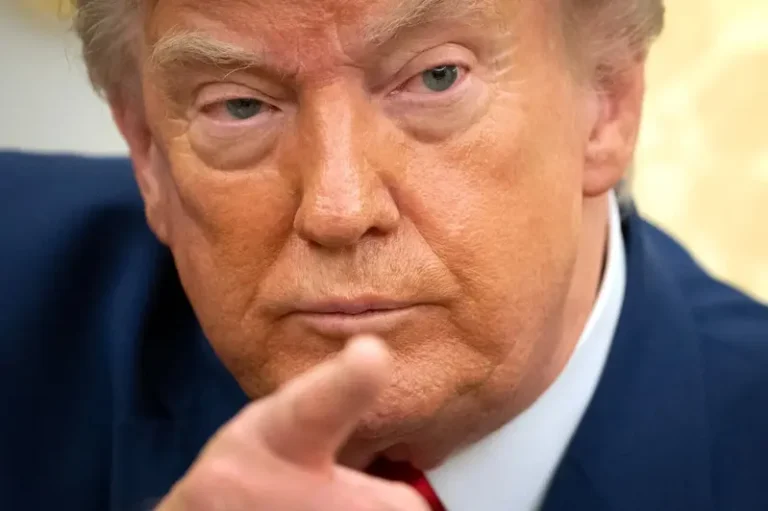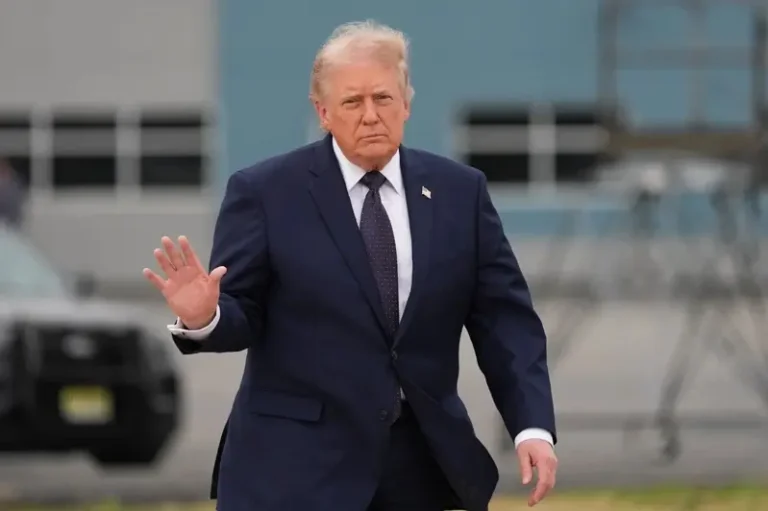


Washington | Jan 26 — US President Donald Trump’s aggressive use of tariffs is placing unprecedented strain on America’s traditional trade allies, hitting partners from Europe and Canada to South Korea the hardest and forcing them into what analysts describe as a growing “battle within the alliance network,” according to a report published by The Wall Street Journal on Sunday.
Under mounting pressure from Washington’s deal-first trade strategy, several US allies are beginning to reassess their economic exposure to the United States, diversify trade risks, and cautiously explore improved relations with China, the world’s second-largest economy. However, Beijing’s close alignment with Russia and its increasing pressure on Taiwan continue to present major political and security obstacles, limiting how far Western nations are willing to pivot away from Washington.
Tariff Threats Target Allies
The report highlights a series of recent tariff threats by Trump that have unsettled long-standing US partners. The president warned that he could impose a 10% tariff on goods from eight European countries, citing disputes linked to Greenland. He also threatened 100% tariffs on Canadian imports, accusing Ottawa of moving closer to China economically.
South Korea has also come under renewed pressure. Trump has warned that unless the South Korean National Assembly quickly ratifies the US–South Korea trade agreement, Washington could reinstate 25% tariffs on South Korean exports, a move that could significantly impact Seoul’s export-driven economy.
These actions, analysts say, are deepening frustration among US allies, who view the unpredictable trade policy as economically damaging and politically destabilizing.
Allies Explore Alternatives, Including China
According to the report, the growing uncertainty surrounding US trade policy is pushing many countries to seek alternative markets and cautiously repair relations with Beijing.
British Prime Minister Sir Bill Schkell is scheduled to travel to China later on the 27th, marking the first visit by a UK prime minister since 2018. South Korean President Lee Jae-myung has also publicly expressed his desire for a “full restoration” of ties with China, signaling a potential thaw after years of strained relations.
Within Europe, the European Union has adopted a more measured approach. Rather than imposing additional tariffs on Chinese electric vehicles, the EU has recently indicated it may instead establish a minimum transaction price, a move aimed at reducing tensions while protecting domestic industries.
Diplomatic engagement has also increased. Finland’s prime minister met with Chinese President Xi Jinping in Beijing on the 27th, and Germany’s chancellor is expected to visit China in February.
Cautious Engagement, Not a Reset
Despite renewed diplomatic activity, few observers believe China–West relations will return to the optimistic atmosphere that existed before Xi Jinping took power in 2012. Instead, countries are pursuing cautious, risk-averse strategies designed to prevent further deterioration in ties with Beijing.
Western governments hope China will open its domestic market further, increase imports of foreign goods, and continue investing in Western economies—without forcing them into a strategic choice between Washington and Beijing.
Mikko Huotari, president of the Mercator Institute for China Studies in Germany, said the shift reflects necessity rather than enthusiasm. “In the face of a more unpredictable United States,” he noted, “China has become more indispensable to countries rather than more attractive.”
Security Concerns Limit China Pivot
The report contrasts the current situation with Trump’s first term, when many Western countries froze relations with China at Washington’s urging over concerns about economic espionage, intellectual property theft, and the impact of ultra-cheap Chinese exports on domestic industries.
Today, security issues remain a key constraint. Beijing’s support for Russia amid the Ukraine war and its escalating pressure on Taiwan continue to weigh heavily on allied decision-making, making a full strategic shift toward China unlikely.
US Still Dominates Trade Flows
Economic realities also limit how far allies can move away from the United States. EU data shows that in 2024, EU exports to the US reached approximately $630 billion, accounting for nearly 20% of total EU exports. Exports to China, by contrast, stood at about $250 billion, less than half the US figure.
As a result, the EU’s trade diversification strategy is focused less on replacing the US with China and more on expanding agreements with middle-power economies to reduce dependence on both superpowers.
However, concerns remain that Trump’s planned meeting with Xi Jinping in April could produce bilateral deals that disadvantage US allies or weaken existing trade frameworks.
Allies Lack a Unified Strategy
Kyle Chan, a researcher at the Brookings Institution, warned that US-China relations are increasingly shaped by the personal dynamic between Trump and Xi rather than coordination with allies.
“On trade and security issues with China,” Chan said, “countries no longer have a clear, coordinated common strategy to address shared challenges.”