
AI summary
Summary of article:
Serbia’s early elections, led by a student-backed anti-corruption movement, saw Vucic concede defeat to the ruling party, a major blow to his long-term rule.
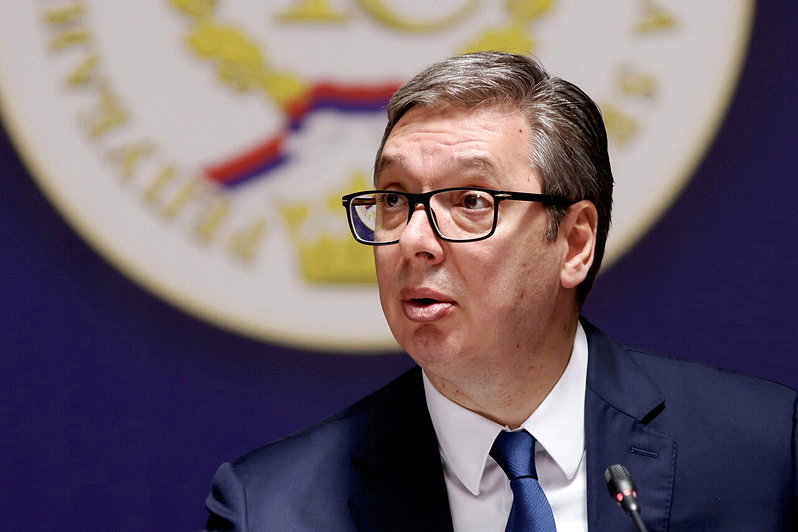
Parliamentary elections were held early today in the Balkan country Serbia. Populist President Vucic, a political veteran, accepted defeat for his ruling party in the election, as initial results showed the student-backed protest movement was ahead.
Agence France-Presse reported that Aleksandar Vucic told supporters at the party headquarters in Belgrade: “Based on the stratified sample, it is clear that we lost this election.”
In November 2024, an awning collapsed at the Novi Sad train station, killing 16 people and triggering a wave of student movements. The snap election was the culmination of nearly two years of student-led protests.
The disaster, widely believed to be caused by corruption, sparked one of the largest protests in Serbia since the ouster of strongman President Slobodan Milosevic in 2000.
Voters turned out enthusiastically today, marking the highest turnout in Congressional elections in more than 30 years.
When Vucic conceded defeat, jubilation erupted on the streets of the capital, with passing vehicles honking their horns and crowds celebrating near the Election Commission headquarters.
Meanwhile, supporters at the Student List headquarters clapped, cried, hugged and chanted “win, win”.
Student List is an anti-corruption grassroots political movement and electoral coalition led by university students without a single leader.
“I feel incredible. I feel like I’m finally living in a free country,” student Mila Martic told AFP at the headquarters.
Summary FAQ
-
Initial votes showed that the student-backed protest movement had taken the lead, prompting President Vucic to admit that the ruling party had lost the election, signaling a major change in the political situation.
-
Led by college students and without a single leader, this anti-corruption movement transformed public discontent into vote mobilization and became the main force challenging the long-term ruling regime with high turnout.
-
In November 2024, an awning collapsed at the Novi Sad train station, killing 16 people. The outside world generally believed that the incident was related to corruption, sparking the largest protests in Serbia in the past two years.