
AI summary
Summary of article:
After a high-speed train collision in Spain resulted in serious casualties, experts reminded that seat selection can only reduce a part of the risk. The real key is the type of accident, the location of impact, and the current situation.
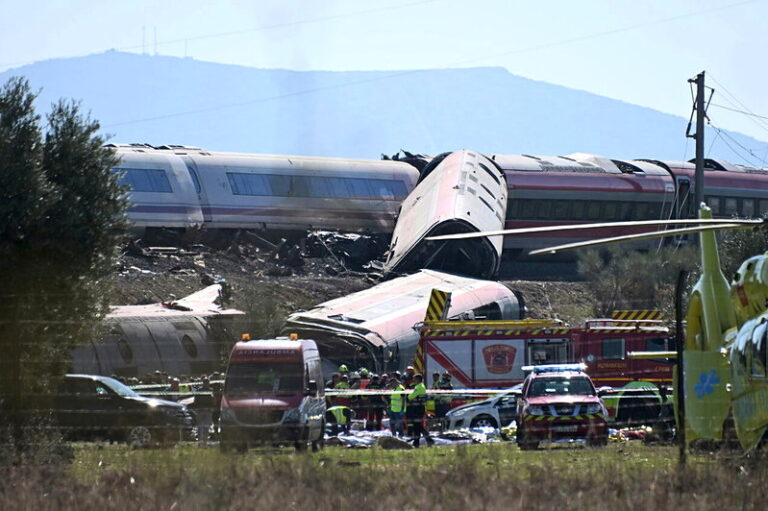
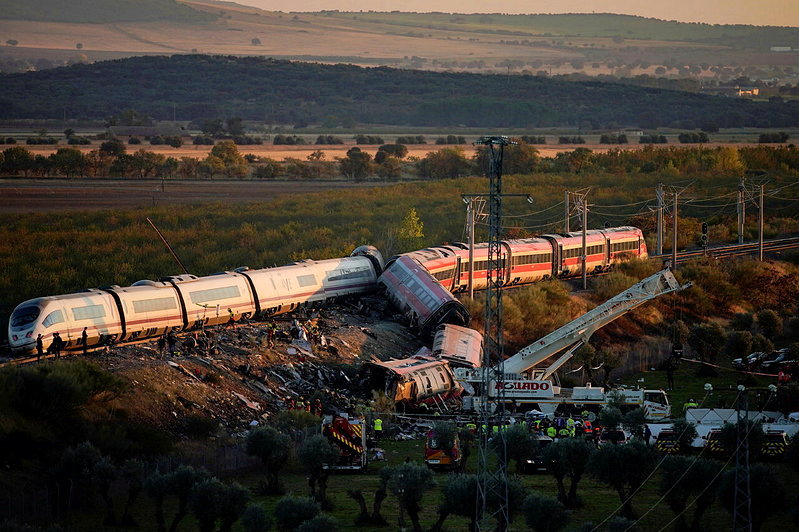
Spain happened on the 28thhigh speed rail A collision in which a high-speed train collided with another train parked on the tracks, killing at least 68 people, has also drawn attention to whether where passengers sit affects their chances of survival. It is generally believed that it is best to avoid the front and rear of the train and choose seats in the middle car with their backs towards the direction of travel, but railway safety experts say this can only be considered a rough guideline.
new York Times According to reports, experts pointed out that seat selection can affect the chances of survival to some extent, but the type of accident is more important than the position of the seat. John Goglia, a former member of the US National Transportation Safety Board (NTSB) and independent safety consultant, said that no seat is absolutely safe in all circumstances.
Robert Paswell, distinguished professor emeritus of civil engineering at the City College of New York, noted that serious rail accidents are quite rare, and the causes and circumstances of accidents vary. They may be subject to collisions or derailments due to track defects. “This time a train collided with the rear of another train, so the safest position for passengers in the train that was being chased would have been the front car, but you can’t know in advance that something like this is going to happen,” he said.
Still, experts are trying to find out the safest seats in trains. Traditionally, the middle car is considered the safest, because in the event of a frontal collision, the front-most car will absorb the impact force; In a pursuit situation, the car furthest behind will suffer the strongest impact.
Jim Matthews, CEO and president of the Rail Passengers Association, which works to improve passenger rail services in the United States, said that as a general rule, he prefers to sit in the middle car, but that doesn’t mean safety is guaranteed. “Any safety device may be ineffective depending on the nature and severity of the accident,” he stressed.
Some experts believe that aisle-side seats in the middle carriage are safest with their backs to the direction of travel. When the train stops suddenly, the bodies of passengers facing their backs in the direction of travel will be pushed towards the back of the seat rather than forward, reducing the risk of neck injury and injury from flying objects. Aisle-side seats also keep passengers away from potentially broken windows.
However, the accident on the 28th showed that this logic of decision could be completely reversed. The front carriage of the moving high-speed train was damaged beyond recognition, and the last two carriages of the train parked on the track were overturned. Goglia said the safest position for passengers in a train being chased is the front car, because the further away from the impact point, the more cars there are to absorb the impact energy.
Even if you choose the “right seat”, it doesn’t mean your safety is guaranteed. Unsecured luggage can become a high-speed flying object, and passengers standing in the aisle, car connection or toilet are at greater risk. Experts say the seat may not be able to withstand such a strong impact. “It’s possible to die if you’re standing, but you’re also likely to die if you’re sitting because the seats don’t have seat belts,” Goglia said.
Alan Zarembski, director of the Railroad Engineering and Safety Program at the University of Delaware, said he has not seen any studies that say which seats are the safest. The general advice is to avoid the front and rear of the train and sit in the middle carriage. However, if a train derails due to broken rails or wheels, “any carriage on the train may derail.” He said passengers are most likely to be injured when a train derails and then overturns.
Summary FAQ
-
Because this high-speed rail collision in Spain resulted in the death of at least 68 people, the outside world naturally wants to know where to sit for greater chances of survival. However, experts emphasize that sitting positions can only provide a rough reference and cannot guarantee safety.
-
The general rule is to avoid the front and back of the train and try to sit in the middle carriage. Some experts also believe that seats facing away from the direction of travel and toward the aisle are more beneficial because they reduce the risk of forward thrusts, concussions, and glass fragments.
-
Because the accident may be a collision, derailment or overturning, the risk situation will change accordingly; Like this collision, the front car of the hit train is better able to absorb the impact, but scattered luggage, distorted cars, and the absence of seat belts will increase the number of casualties.