
AI summary
Summary of article:
Older voters are under pressure due to changes in health insurance and the rising costs of prescription drugs and long-term care. AARP surveys show they are extremely inclined to vote, which could influence the midterm elections.
However, for seniors across the United States, health care is their top concern.medical insurance Rising health care costs, including premiums, prescription drug prices and long-term care fees, as well as changes in health insurance coverage, are putting a strain on their wallets.midterm elections Can make a big impact.
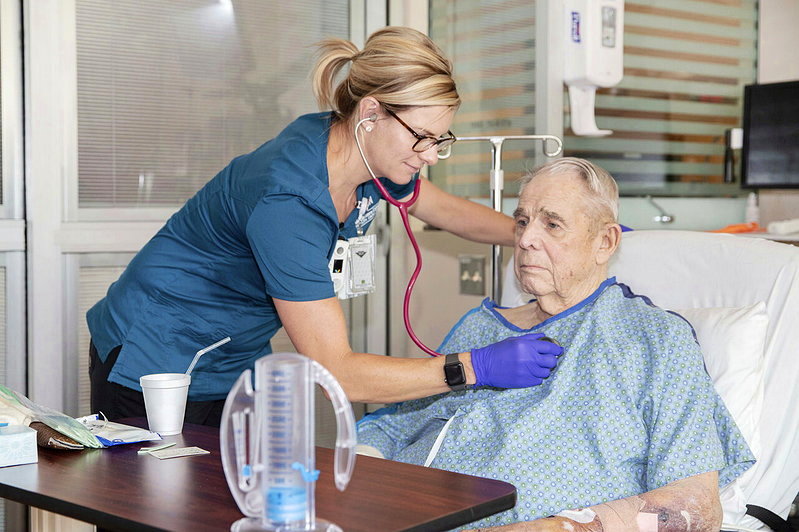
Barbara Weigand, 83, is extremely well prepared for retirement. Over the years he maintained good health and saved diligently. But shoulder surgery and a bladder cancer diagnosis this year posed serious challenges to his financial situation. He recently withdrew $4,000 from his retirement account to pay for medical expenses related to cancer treatment.
She said: “With only my monthly income, I cannot afford these new medical expenses.” She is currently participating in the “Medicare Advantage Plan” commonly known as the Red Card. But from next year there will be many changes in the content of Medicare. With the open enrollment period for Medicare in October, she is busy looking for new insurance options.
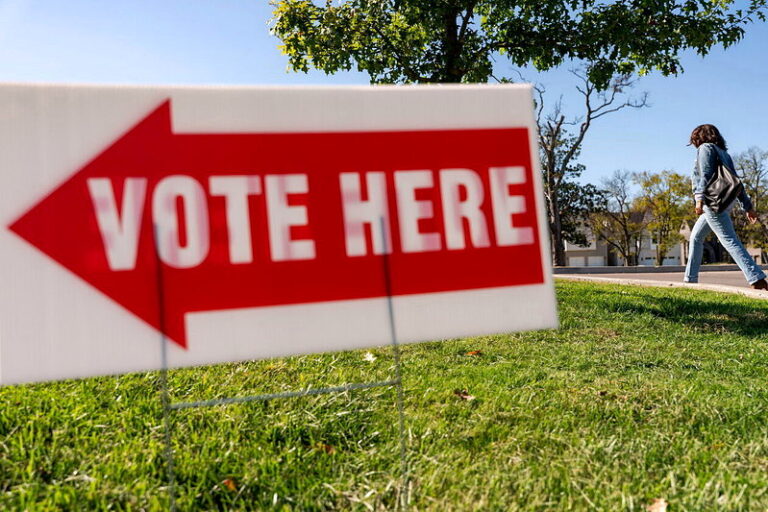
According to an AARP poll conducted in early October, 83% of voters over the age of 50 said they were interested in the midterm elections.vote Very high desire. This has made his concerns about the burden of medical expenses one of the issues that have attracted a lot of attention in the election.
According to the survey, there are four things that senior citizens are most concerned about when it comes to health care:
1. Changes in the Medicare program. There will be some changes in the federal health insurance scheme from 2027. The open enrollment period began in mid-October, and insured individuals must choose the insurance plan that is most beneficial to them.
2. Prescription drug affordability. The Trump administration has made it a priority to lower drug prices to show Americans that it is tackling rising prices. Still, the cost of prescription drugs prevents some people from filling prescription medications. A survey by the Kaiser Family Foundation (KFF) in March revealed that nearly 40% of American adults said that in the past year, they failed to take their medications as prescribed because of the cost of prescription drugs.
3. Cost of long-term care. For retirees, the cost of long-term care has increased significantly. A report by the American Association of Retired Persons (AARP) states that the costs that family caregivers face to care for family members or friends are nearly 60% higher than five years ago. The data shows family caregivers spend an average of $11,508 per year to care for a family member or friend, up from $7,242 in 2021.
4. The social security system has become bankrupt. The Social Security Administration is facing severe funding shortfalls and could face bankruptcy if Congress cannot resolve the issue. A report from the Social Security and Medicare trustees said the Social Security trust fund, which covers retirement and disability benefits, will not be able to pay out benefits in full starting in 2034.
Summary FAQ
-
Because medical insurance premiums, drug prices and long-term care costs continue to rise, which is directly hitting retirees’ wallets; Additionally, the medical insurance system will also change, making voters pay more attention to how candidates respond to these pressures.
-
An AARP survey in early October reported that 83% of voters over the age of 50 expressed a high willingness to vote, showing that older people are not only concerned about medical issues, but may also become a significant force influencing elections.
-
These include changes in Medicare plans, prescription drug affordability, long-term care costs, and whether the Social Security system faces the risk of funding shortfalls and future benefit payments.