
AI summary
Summary of article:
Following Jen-Hsun Huang’s resignation as Huida’s CEO, Taiwan could face three major impacts: supply chain oversight, a slowdown in the AI industry, and the absence of international spokespersons. Society needs to think about how to respond to the post-Huang Zhen-hsun era.
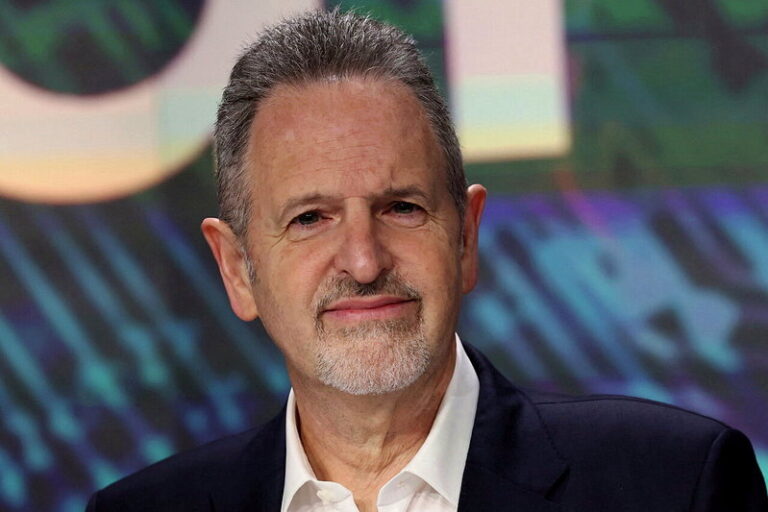
Huida (NVIDIA ) Co-FounderJen-Hsun Huang The resignation from the post of CEO shocked the global technology community. Akio Yaita, CEO of the Indo-Pacific Strategic Think Tank, said Taiwanese society should pay more attention to the chain reactions caused by the typhoon and the three major negative impacts it will have on Taiwan.
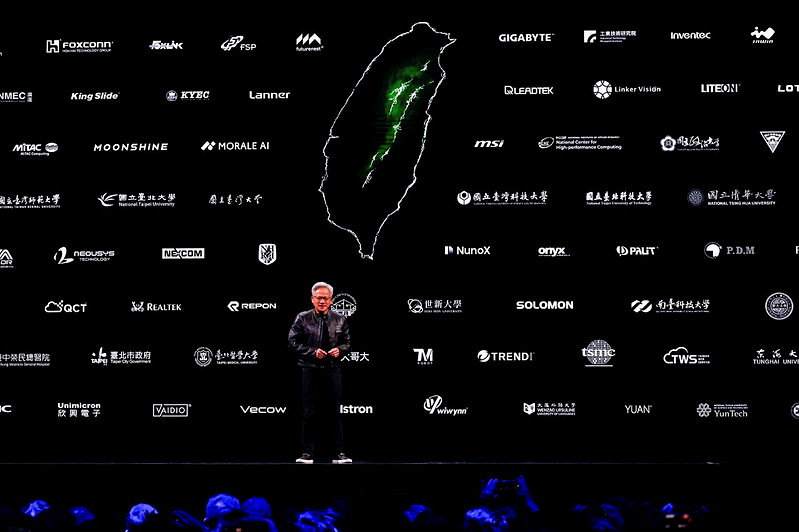
Akio Yaita said on the “Akio Yaita Club” Facebook fan page that first of all, Taiwan’s technology supply chain may be subject to a comprehensive review. Huida has close ties with Taiwanese technology giants such as TSMC, Hon Hai, Quanta and Wistron. Once the US government expands its investigation into Huida’s dealings with China and whether sensitive technology has been leaked, Taiwan’s supply chain may also become involved. Even if there is no illegal conduct, continued scrutiny can affect corporate orders, investment plans and market confidence. Taiwan’s stock market growth is highly concentrated in the semiconductor and AI industries. Once the market loses confidence in Huida, it may impact one or more companies.
Second, the global AI revolution may face counter-attacks. Akio Yaita said that AI has developed rapidly in recent years and anti-AI sentiment has also strengthened in American society. Some oppose the construction of power-hungry data centers, while others worry that AI will replace human work and creativity. He recalled the “Luddite movement” during the British Industrial Revolution in the 19th century. At that time, workers broke into factories and broke textile machines because they were worried that the machines would take away their livelihoods. Today’s anti-AI movement does not entail destroying machines. As long as it uses political pressure, legal action, local opposition, and government regulation, it may significantly slow down the development of the AI industry.
Akio Yaita said that Huang Renxun was basically one of the most representative figures who promoted the AI revolution. Huang Renxun’s departure, coupled with the growing anti-AI voice in the United States, may put a sudden brake on the rapidly developing industry. What is even more worrying is that if the United States applies the brakes, will China take the opportunity to press the accelerator? China is making every possible effort to develop AI technology. If the United States slows down due to internal disputes but China continues to invest, the technological gap between the two sides could quickly narrow. For Taiwan, this is not just an economic issue, but can also become a national security issue.
Third, Taiwan has lost an irreplaceable international spokesperson for science and technology. Yaita Akio said Taiwan-born Huang Jen-hsun is not only a successful entrepreneur, but also an important figure who has long promoted Taiwan’s technological strength to the world. Huang Jen-hsun continues to emphasize the importance of Taiwan’s supply chain, giving the world a chance to see Taiwan’s technology, talent and manufacturing capabilities. Now that Huang Renxun is no longer leading Huida, it is indeed a great loss for Taiwan.
He said that while Huang Renxun’s personal issues are being hotly discussed today, Taiwanese society should consider a serious question: How should Taiwan face the post-Huang Renxun era?
Summary FAQ
-
Because Huida has close ties with Taiwanese manufacturers such as TSMC, Hon Hai, Quanta and Wistron, Taiwan’s supply chain could also be affected if the United States expands its investigation into transactions and technology outflow from China. Even if it is not illegal, it can still affect orders, investments and market confidence.
-
Anti-AI voices can slow the progress of data centers and AI research and development through political pressure, legal proceedings, local protests, and government regulations. If the United States applies the brakes and China continues to invest, the technological gap between the two sides may narrow, which will affect Taiwan’s security.
-
Huang Jen-hsun is not only a successful entrepreneur, but he has long highlighted Taiwan’s supply chain, talent and manufacturing capabilities around the world, helping Taiwan gain international visibility. Now that he is no longer leading Huida, Taiwan has lost an irreplaceable technology spokesperson.