
AI summary
Summary of article:
Japan’s yttrium inventory is in short supply, and China insists that export controls are to counter Japan’s remilitarization; Japan and the United States are stepping up their coordinated response amid tight supplies and skyrocketing prices.
Japan rare earth The stock of yttrium is only enough to last a few months, and the United States has been asked to help persuade China to relax relevant export controls. Chinese Foreign Ministry spokesman Mao Ning said on the 21st that China has implemented export controls on Japan in accordance with laws and regulations aimed at preventing Japan’s “remilitarization” and nuclear ambitions. China’s position on maintaining the stability and security of the global supply chain of key minerals has not changed, and all parties have a responsibility to play a constructive role in this regard.
As Sino-Japanese relations remain tense, the Financial Times quoted people familiar with the matter as saying that Japan’s yttrium (Yttrium) stocks may only last a few months, and it has asked the US government and several US companies for help, hoping that the US will urge China to relax export controls on rare earths to prevent industries such as automobiles, jet engines and semiconductors from being affected.
Japanese officials warned that if China does not adjust its policies or Western countries are unable to find alternative sources and increase reserves, Japan could experience a supply shortage by the end of this year, and will now have to consider how to survive next year.
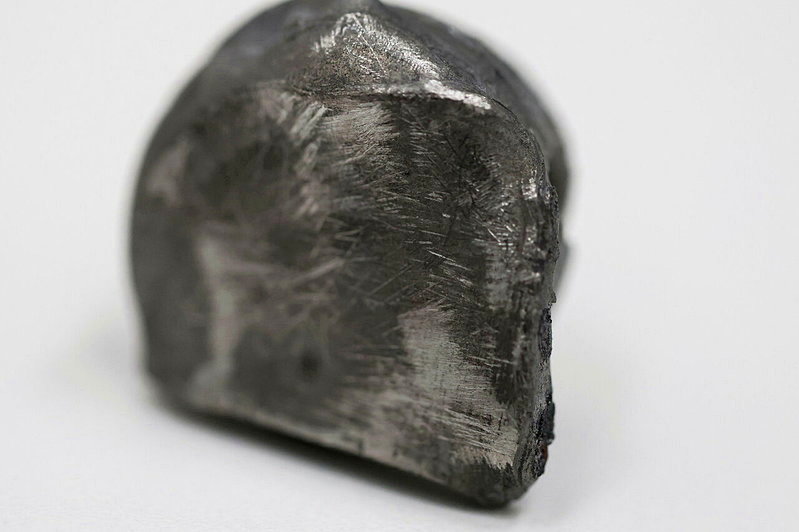
Yttrium is a heat-resistant metal that is widely used in engine coatings and coatings for plasma etching chambers in semiconductor processes. It is important for automobiles, jet engines and chip manufacturing.
Reports suggest that the insufficient supply of yttrium has become a major problem for Japanese materials companies and the US Department of Defense.supply chain It also depends on components produced in Japan and containing yttrium components, and supply disruptions could affect related industries in both countries.
A Japanese government official said Japan faces a critical situation in maintaining supplies to downstream industries, with inventories constantly declining and efforts to conserve rare earth resources also have limits. He pointed out that the time scale we are currently facing is measured not in years, but in months, and we must think about how to survive the next year; There is still a chance to resolve the problem if all parties act quickly, otherwise it could develop into a systemic risk for the global economy.
The effect of tight supply is also visible on prices. According to data from Argus, an international energy and commodity pricing agency, the price of yttrium oxide outside China has risen to US$1,150 per kilogram, 179 times higher than two years ago; The domestic price in China is around US$9 per kilogram, and the price difference between the two locations is significant.
Officials in the United States and Japan have recently held several consultations on the issue of yttrium supply shortages. Last month, US Energy Department officials met with officials from the Japanese Ministry of Economy, Trade and Industry in Washington and formed a “rapid response team” for critical minerals. At the G7 leaders’ meeting in June, Japanese Prime Minister Sanae Takachi said that China’s rare earth export restrictions and Japan’s other measures may have an impact on the supply chains of the G7 and related countries, and he is very concerned about it.
Summary FAQ
-
The report notes that yttrium is widely used in engine coatings and semiconductor manufacturing processes, and is highly relevant to automobiles, jet engines, and chip manufacturing. If supplies remain tight, Japan’s downstream materials industry and related manufacturing chains could be disrupted.
-
Chinese Foreign Ministry spokesman Mao Ning said China has imposed export controls on Japan in accordance with laws and regulations with the aim of preventing Japan’s efforts to remilitarize and acquire nuclear weapons. At the same time, it was stressed that China’s position on maintaining the stability and security of the global critical minerals supply chain remains unchanged.
-
Because Japanese stockpiles are measured in months rather than years, and prices abroad have soared to US$1,150 per kilogram, the supply chain overwhelms the US defense and high-tech industries; If all parties cannot quickly find alternative sources, the impact could translate into systemic risks.