
AI summary
Summary of article:
The Day of the Dead in the Philippines is not only a tradition of remembering the dead, but also an important moment for families to return home and reunite. The area around the cemetery has also created business opportunities for grave clearing services and street vendors, and authorities have increased security.
Cemeteries in the Philippines are not only the resting place for the dead, but also become a place of reunion for the living every year on the Day of the Dead. People from all over the country return to their hometowns and visit cemeteries to remember their dead relatives and use this occasion to maintain sentiments with relatives they have not seen for a long time.
Filipinos celebrate every year on November 1stHalloween During All Saints’ Day and All Souls’ Day on November 2, people will go to cemeteries to remember their ancestors. Local customs call these two days “Day of the Dead” and it is one of the important annual festivals in the Philippines.
For many Filipinos, the Day of the Dead is not only a holiday to remember the deceased, but also an important moment for family reunion and maintaining family ties. The government usually gives long leave to people so that people can return to their hometowns.
Many people have gone to visit the tomb today to avoid the crowd of yesterday and the day before.
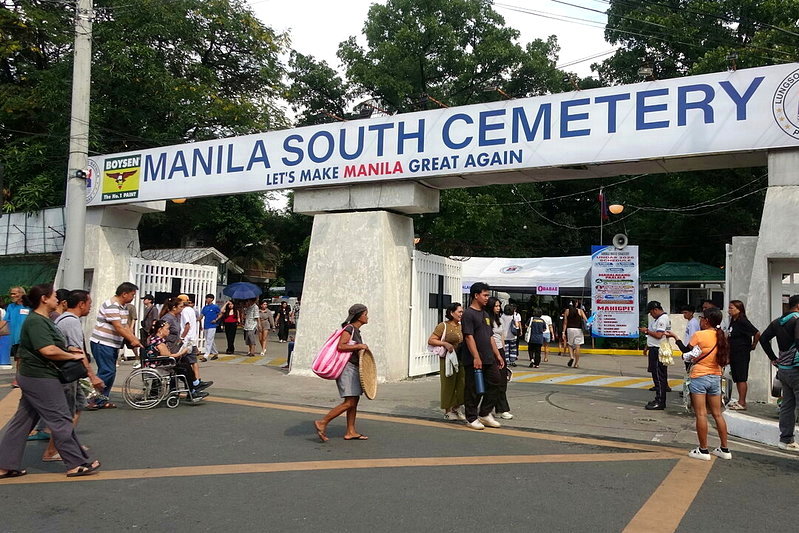
At the Manila South Cemetery, Samonte Lima, a citizen who brought her family to visit the graves, told the Central News Agency that she goes to the cemetery at this time every year to visit and cherish her dead relatives.
Talking about Filipino grave-cleaning customs, he explained that Filipinos usually light candles, clean the grave, and then pray for the deceased; The Day of the Dead is also a time for relatives who are scattered across the country and have not seen each other for a long time to reunite. “It is an inevitable tradition in Philippine culture.”
The Day of the Dead also brings seasonal job opportunities. Some people, including children, use the Day of the Dead to hire grave sweepers to clean and paint cemeteries, charging about 300 pesos (about US$4.7) to 500 pesos each time to subsidize their families.
The perimeter of the cemetery is decorated with food stalls and flower stalls as well as vendors selling balloons and ice cream, adding a lively atmosphere to the otherwise serene atmosphere.
However, this year the business of some sellers is not looking as good as before. A flower seller said business this year has been relatively quiet and he has not even recovered his costs; When a cold drink vendor was talked to at 3 pm, he said that he had not sold a single drink.
There are approximately 160 cemeteries in the Metro Manila area. Nearly three million grave-sweepers are expected in the Manila South Cemetery and North Cemetery alone. Police have tightened security around the area to prevent incidents of disorder and have checked items carried by people.
Philippine President Ferdinand Marcos Jr. issued a Day of the Dead message on Facebook yesterday, wishing people a safe and successful holiday. “This is a time to remember your loved ones. I hope every Filipino family can have a safe and meaningful journey.”
Summary FAQ
-
The Day of the Dead in the Philippines is not only a day of grave-cleaning and remembrance, but it is also considered an important holiday for family reunion. Many relatives spread across the country will return to their hometowns during government holidays to maintain sentiments and enhance family ties by paying homage to their ancestors.
-
Most people will first light candles, clean up the cemetery, and then say a prayer for the deceased. Many people will visit the cemetery with their families, not only to express their thoughts, but also to use this time to meet relatives they have not seen for a long time.
-
Food stalls, flower stalls and temporary cleaning and painting jobs will appear around the cemetery, generating seasonal income. However, business has been quieter from some vendors this year, and police have also increased security and inspections around Metro Manila cemeteries.