
AI summary
Summary of article:
The Internal Revenue Service has raised contribution limits for 401(k), 403(b) and other retirement accounts in 2027, as well as updated additional limits and IRA rules for those over age 50. Financial experts call on them to understand employer matching funds first.
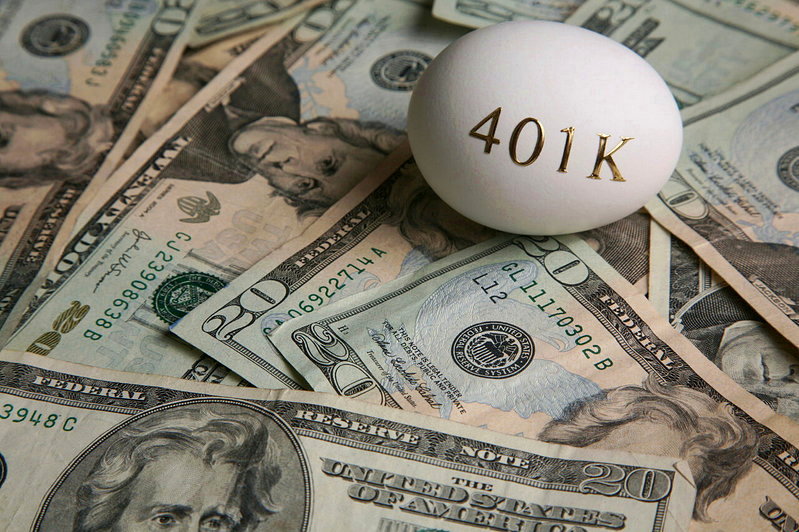
ir (ir ) announced on the 12th that it will raise the maximum deposit limit for 401(k) retirement accounts in 2027, and the employee voluntary contribution limit (employee deferral limit) will be increased to $25,500, an increase of $1,000 from the maximum limit of $24,500 in 2026; This wave of adjustments also applies to 403(b), most 457 plans, and the Federal Thrift Savings Plan (TSP).
The IRS also announced 401(k) catch-up contribution limits for savers over age 50 in 2027, new Individual Retirement Account (IRA) deposit limits, and increased Roth IRA contribution income limits.
According to the latest regulations, starting in 2027, the 401(k) catch-up contribution limit for savers over the age of 50 will increase from 500 yuan to 8,500 yuan. Taking the age of 68 as an example, the maximum amount that can be saved is NT$32,500 in 2026 and NT$34,000 in 2027. General employees will receive a raise of NT$1,000, and the additional amount will increase to NT$500.
However, according to the amendments to the Secure 2.0 bill, investors aged 60 to 63 can deposit an additional 11,750 yuan, an increase of 500 yuan from 2026. These do not count toward the $25,500 2027 employee voluntary contribution limit.
Additionally, the IRS announced that the IRA deposit limit will be $7,500 in 2027, the same as this year; The IRA catch-up contribution limit for those over age 50 also remains unchanged at $1,100.
Experts recommend prioritizing your 401(k) employer match.
According to the “How America Saves Report 2026” released by fund provider Vanguard, by 2025, only 14% of 401(k) participants in the United States will have reached the account contribution limit, and the average combined savings rate including employer contributions is 12.1%.
Before focusing on contribution limits, you should make sure you’ve got the full match provided by your employer, said Sean Michael Pearson, a financial planner at Ameriprise Financial Services in Pennsylvania.
Investment firm Fidelity analyzed 27,300 corporate plans and nearly 26 million participants and found that in the second quarter of 2026, about 19% of workers did not contribute enough to their 401(k) accounts to receive the full match from their employer.
Vanguard Group recommends that people save 12% to 15% of their salary each year (including employer matching); But the group reports that only a quarter of 401(k) participants will save more than 10% of their income in 2025.
Pearson believes the most important habit is to consistently increase your 401(k) savings rate. For example, if the deposit amount is increased by 1% every year, there will be almost no change in the real salary, but the long-term impact will be significant.
Summary FAQ
-
The upper limit for employees’ voluntary contributions has been raised to NT$25,500, an increase of NT$1,000 from 2026; The upper limit for additional contributions for those over 50 has been raised to NT$8,500. People ages 60 to 63 can deposit an additional $11,750 under Secure 2.0.
-
This also applies to 403(b), most 457 plans, and the Federal Thrift Savings Plan (TSP). Additionally, the IRS also announced that the IRA limit will be $7,500 in 2027, and additional contributions for those over age 50 will still be $1,100.
-
Because the employer match equates to free compensation, you’ll miss out on this bonus if you don’t contribute enough. The report shows that many employees have not yet received their full matching funds, so they must first receive the full quota, and then increase the deposit rate by 1% year by year to achieve a more stable effect.