
AI summary
Summary of article:
Newly exposed information shows Apple paid $2.7 billion less in taxes this year by shifting its profits to Singapore, overtaking Ireland as its biggest tax haven.
According to the latest information, American company Apple (Apple ) by transferring profits this yearSingapore The US$2.7 billion tax underpayment is higher than the US$2.6 billion underpayment through Ireland, where its European headquarters is located, indicating that Singapore has become its largest tax haven.
The Financial Times reported that according to new US federal accounting rules, listed companies are obliged to disclose their overseas profits if the tax rate is much lower than the US federal statutory tax rate of 21%. Therefore, Apple published the above information in its full-year financial report released this week.
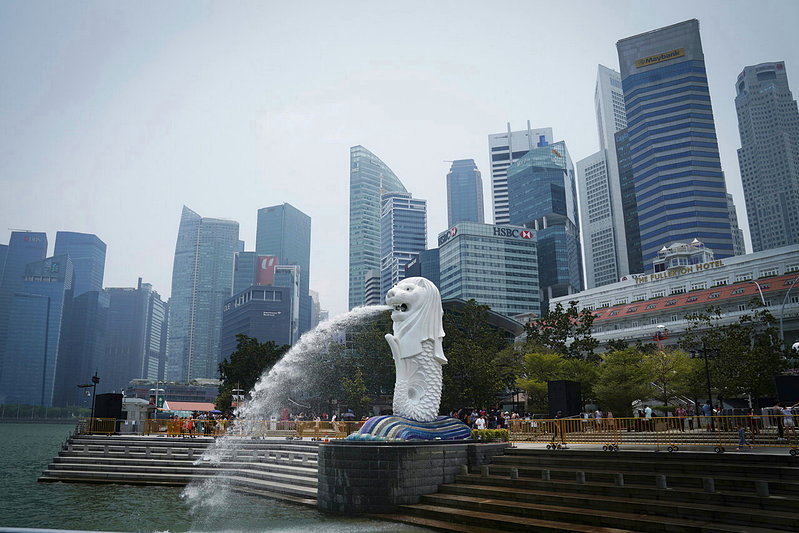
Singapore is Apple’s operating center in Asia. Data shows that Apple will attribute US$50 billion of profits to Singapore this year, taking advantage of more favorable local tax rates to reduce tax payments.
Apple announced it paid a total of $27 billion in profit-making income taxes this year. If it taxed all its global profits this year at US federal rates, the amount of tax it would pay would be as high as $33 billion. This indicates that Apple will book profits in Ireland and Singapore, resulting in a tax deduction of approximately US$5 billion.
Apple’s use of overseas bases to reduce its tax burden is coming under increased scrutiny. This strategy is called “profit shifting”, in which multinational companies use their local subsidiaries to shift profits from high-tax countries to low-tax countries.
As such practices of American technology giants triggered a backlash over unfair taxation, the European Union (EU) conducted a state subsidy investigation into Apple in 2016 and determined that the tax benefits it received in Ireland were illegal and ordered it to pay more than 13 billion euros (about $14.6 billion) in back taxes and interest.
The Organization for Economic Co-operation and Development (OECD) also led an effort to reach a landmark international agreement in 2021, in which countries agreed to set the minimum effective corporate tax rate at 15%. Several low-tax countries, including Ireland and Singapore, reacted to the measure.
Some of these countries originally expected that their high tax rates would trigger an exodus of multinationals, but so far this has not happened, and they continue to receive large amounts of taxes.
Among them, Singapore received a top-up tax of US$2.5 billion from Apple this year based on the OECD minimum tax system implemented last year.
Why this is so, Mike Lewis, director of tax investigative think tank Taxwatch, believes that the global minimum tax system sets relatively low tax rates, which allows some multinationals to continue their previous practices to some extent.
However, some argue that these companies are currently located in low-tax areas, which shows that they consider not only tax rates but also other factors such as local skilled labor, good infrastructure, and a stable political and legal environment.
According to Apple’s financial reports, its largest subsidiary in Singapore is its sales and marketing business center, which is responsible for selling products and services to Apple’s overseas entities as well as “developing intellectual property”.
Nonetheless, Zorka Millin, co-director of the Financial Accountability and Corporate Transparency Coalition (FACT), a tax transparency advocacy group in Washington, said: “Apple’s reliance on Ireland to save taxes has been exposed more than 10 years ago; but the huge tax savings through Singapore is significant new news.”
Summary FAQ
-
According to information reported by the Financial Times, Apple remitted less than US$2.7 billion through Singapore this year, which is more than US$2.6 billion to Ireland, which shows that Singapore has become Apple’s largest tax haven.
-
Because the new US federal accounting rules require listed companies to disclose relevant information if their actual tax rate on overseas profits is much lower than the US federal statutory tax rate of 21%, Apple released these data in its financial report.
-
Apple still needs to pay US$2.5 billion of supplementary taxes in Singapore this year, which shows that although the minimum effective tax rate of 15% is on the way, there may still be some room for tax savings for some multinational companies.