
AI summary
Summary of article:
The article recommends the 8 most delicious anti-inflammatory foods in November, emphasizing that seasonal fruits and vegetables, fish and nuts can provide a variety of nutrients to help reduce chronic inflammation and maintain heart, intestinal and immune health.
Inflammation is at the heart of almost all health problems, and while some inflammatory responses are normal, such as the body’s response to a cut or brief illness, chronic, low-grade inflammation can silently harm the body and lead to a number of health problems. The good news is that prioritizing anti-inflammatory foods, especially a variety of seasonal fruits and vegetables, is a delicious and affordable way to maintain your health.
November is the perfect time to enjoy warm, comforting, nutritious, and anti-inflammatory foods. Buying seasonal ingredients not only saves money, but also ensures you get the most nutrients. The Eating Well website has selected the 8 most delicious anti-inflammatory ingredients in November, add them to your shopping cart and enjoy nutritious meals all season long.
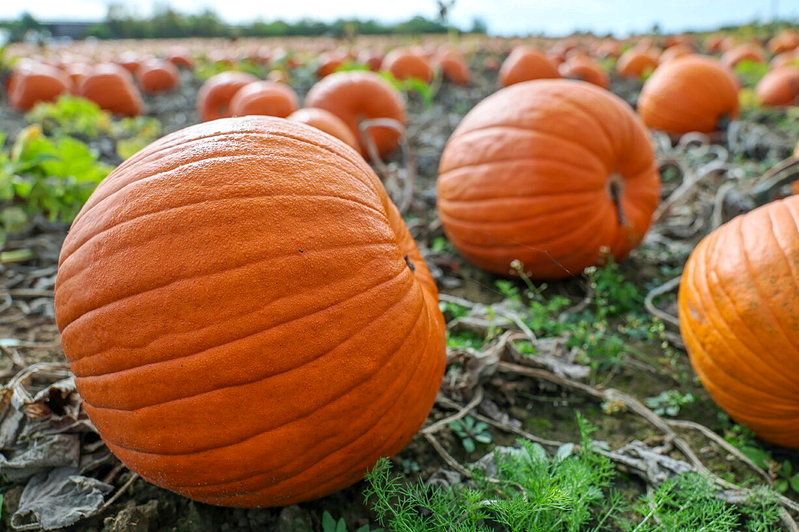
The bright orange color of pumpkin indicates that it is rich in carotenoids such as beta-carotene, an antioxidant that helps protect cells from oxidative stress and relieve inflammation, and lutein and zeaxanthin, which help maintain eye health. Pumpkin also contains vitamins C and E, potassium and dietary fiber, which can increaseimmunity to disease And helps control inflammation.
Nutritionist Madeline Schneider said the antioxidants in pumpkin can neutralize the effects of free radicals and protect the body from chronic diseases by repairing cell damage.
If you’re not a fan of pumpkin, other seasonal squash and root vegetables can provide similar benefits, such as acorn squash, butternut squash, sweet potatoes, yams, and carrots.
Sweet and juicy pears deserve more love, especially when choosing an anti-inflammatory diet. Nutritionist Katherine Rosenthal explains that pears contain chlorogenic acid, a polyphenol with antioxidant and anti-inflammatory effects. Most of these nutrients are found in the peel, so eat them with the peel as much as possible.
In addition to chlorogenic acid, pears contain flavonoids, triterpenoids, phenolic acids, and dietary fiber, a combination of nutrients that has been shown to reduce markers of inflammation and improve metabolic health. Rosenthal said pears are proof that nutrition does not depend on one “magical” nutrient, but rather on the synergy of multiple micronutrients that work together to promote health.
Mushrooms are rich in beta-glucan, a special type of dietary fiber that helps regulate the body’s immune response and relieve inflammation. They also provide antioxidants such as ergothioneine and phenolic compounds, which help combat oxidative stress associated with chronic inflammation.
Kale thrives in cool weather, making it a perfect fall vegetable. Schneider said kale is rich in nutrients and phytochemicals, which have health-protecting properties.
This leafy green vegetable is rich in glucosinolates and flavonoids, plant compounds that help reduce markers of inflammation and protect against oxidative stress. Consuming high amounts of these compounds in the diet may reduce the risk of chronic diseases such as heart disease, diabetes and some cancers.
Other seasonal options with similar benefits include Brussels sprouts, cauliflower, cabbage and bok choy.