
AI summary
Summary of article:
The 25-year fixed lease at Tiffany Tokyo’s Ginza building leaves little room for rent adjustment. Although the owner has lowered the price to sell, it is still difficult to find a buyer, which reflects the cooling of Japanese commercial real estate due to rising interest rates and inflation.
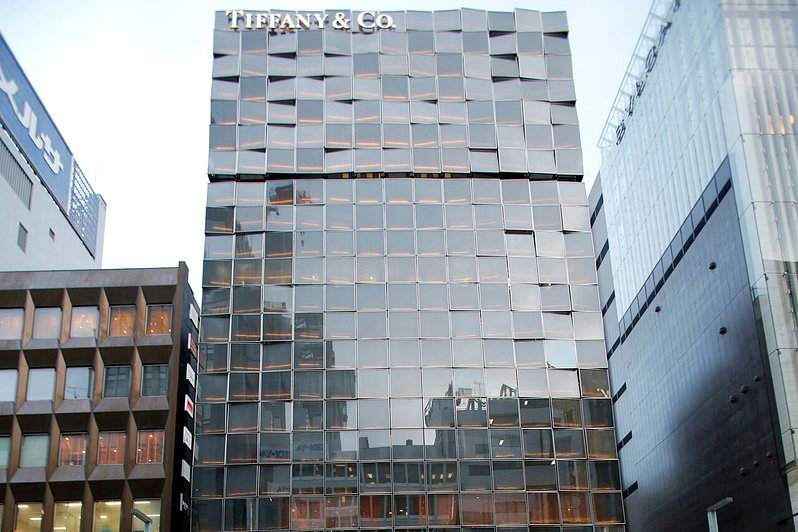
Fine jewelry brand Tiffany’s largest flagship store in Asia is located in Ginza, Tokyo. Recently there was news that the building it is located in was for sale, but several months passed and no buyer was found. Now the news is that the store is ready to cut the prices by one-third to encourage shopping. it showsinterest rate In the backdrop of rising prices and inflation,Japan The commercial real estate market is cooling down.
Citing people familiar with the matter, Bloomberg reported that the building’s owner, Kurosawa Group, originally offered 120 billion yen ($760 million) but has been looking for a buyer for months and is now willing to accept a minimum offer of 80 billion yen.
According to sale documents seen by Bloomberg, Tiffany signed a 25-year fixed lease with the building. People familiar with the matter said that in the environment of inflation it has been decidedRent Long-term leases have discouraged many potential buyers because one of the attractions of purchasing real estate is the ability to increase rents.
The incident also highlights the deterioration of Japan’s housing market in recent months, with rising borrowing costs and inflationary pressures squeezing profit margins and forcing buyers to become more selective. The yen’s depreciation and persistent inflation have also raised expectations that the Bank of Japan (the central bank) will raise interest rates further.
People familiar with the matter said Blackpool Group has no immediate need for cash and may still decide not to sell.
The return of inflation in Japan and corporate governance reforms have forced companies to accelerate the disposal of non-core assets, leading to a boom in investment in Japan’s real estate market in recent years. Japan’s overall commercial real estate investment rose 2% in the first half of this year, but expected return rates on prime locations in Tokyo fell to a record low, according to a CBRE survey.
Fixed leases are common in Japan’s apartment, office and retail real estate markets and have received little attention as prices have remained stable for nearly three decades. However, as Japan’s inflation rate has generally exceeded 2% since 2022, the inability to raise rents in some buildings has discouraged many potential investors.
Summary FAQ
-
The original price of this building was 120 billion yen, but it has been unable to find a buyer for several months. Now the owner, Kurosawa Group, is willing to reduce the minimum offer to 80 billion yen, the equivalent of a cut of about a third, to encourage buying.
-
Because in an inflationary environment, buyers generally hope to increase their returns by increasing rents, but Tiffany signed a 25-year fixed lease, and it is difficult to increase rents with the market, which weakens the significant appeal of real estate investment.
-
This suggests that Japanese commercial real estate has declined as borrowing costs have risen and inflationary pressures have increased, with buyers becoming more conservative. Although total investment still increased by 2%, yield rates at prime locations in Tokyo fell to a record low.