
AI summary
Summary of article:
Doctors say that cough often persists for a long time after a cold due to autumn dryness, staying up late and stress. You should moisturize the lungs and resolve phlegm according to your body type, pay attention to sleep and hydration, and pay attention to warning signs and seek medical advice as soon as possible.
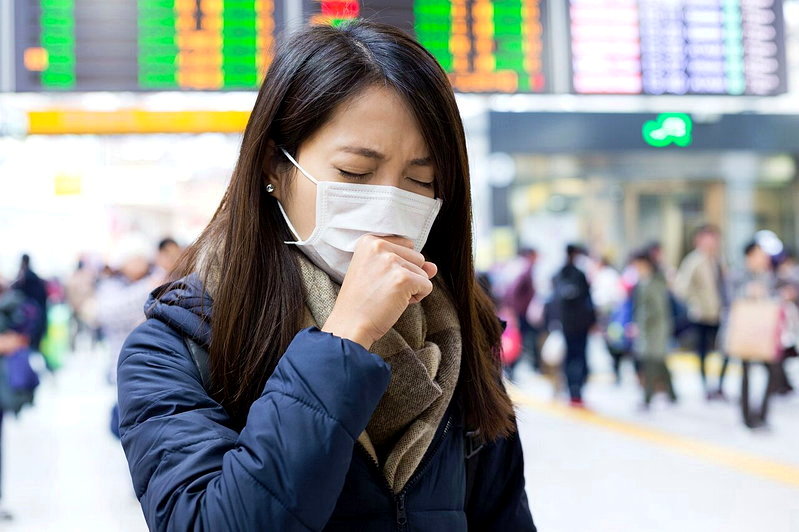
With the arrival of autumn, the weather becomes cooler, and with busy work, staying up late, high stress, uncontrolled diet and lack of exercise, the body’s recovery speed often slows down. Traditional Chinese medicine practitioners said that many patients have recently recovered from colds, but their coughs still persist, and even lying down causes them to cough. Some people only have a mild cold, but it turns into a “dry cough that lasts for several weeks.” There are also people who cough every day with phlegm that gets stuck in the throat and has frequent attacks.
Zhuang Kejun, a Chinese medicine practitioner at Ruimingtang Traditional Chinese Medicine Clinic, said that the respiratory tract is in a sensitive state after a cold. If you don’t get good rest, you can easily get into a situation where “the cold is gone, but the cough is not gone.” Specifically, the cough in acute bronchitis can last for 1 to 3 weeks, while chronic bronchitis is related to long-term exposure to smoking, air pollution, and other factors.
From the perspective of traditional Chinese medicine, autumn is particularly sensitive to the effects of “autumn dryness”. The lungs regulate qi and respiration, so when the autumn is dry, the temperature difference is large, and the body’s religiosity is insufficient, the respiratory tract will easily become sensitive. The formation of common clinical chronic cough can be broadly divided into different types.
The first type is “lung yin deficiency”, which is a common dry cough that persists after a cold, and there is not much phlegm when coughing, accompanied by symptoms such as dry mouth, dry throat, hoarse voice, dry lips or skin.
The second type is “yin deficiency and phlegm-dampness”. The patient may cough for a long time and the phlegm is yellow and sticky. It may also be accompanied by symptoms like dry mouth and throat, fatigue and heaviness. If persistent cough occurs repeatedly, according to traditional Chinese medicine, it may be caused by “deficiency in origin and excess in origin”, that is, on the one hand, there are symptoms such as cough and phlegm, and on the other hand, the body’s recovery ability is relatively insufficient.
Therefore, not all coughs are suitable for “always cough relief”, nor can you simply follow others’ drinking or eating. TCM treatment still needs to be based on individual constitution differentiation, including moistening the lungs, relieving cough, resolving phlegm, improving sleep, and regulating the spleen and stomach.
For people who have dry mouth, dry throat and dry cough after a cold in autumn, Zhuang Kejun recommends the light “Lily Ophiopogon Lung Nourishing Tea” for lung nourishing tea in autumn. Ingredients include 10 grams of Lily, 6 grams of Ophiopogon japonicus, 6 grams of Polygonatum odorifera and 2 grams of tangerine peel. The method is to simply wash the ingredients, add about 600 to 800 cc of hot water, boil on low flame for about 15 minutes, let it get hot and drink. You can add small amount of honey as per your personal taste.
Zhuang Kejun said that lily, Ophiopogon japonicus, and Polygonatum odorifera are common ingredients that nourish yin and moisturize dryness, and are suitable for daily tea drinking for people with dry autumn and dry mouth and throat. However, drinking tea is not suitable for everyone. If you are prone to diarrhea, have a weak stomach, have a lot of phlegm, or are in the acute infection stage, you should still ask a Chinese medicine practitioner to differentiate your symptoms before choosing the appropriate tea beverage for you.
First of all, drink enough water.
The air is dry in autumn. If water intake is inadequate, the respiratory mucosa is likely to become dry. You should drink water in batches at normal times, not wait until you feel thirsty and then drink all the water in one go.
Second, sleep is more important than supplementation.
Many people think they are almost cured after catching a cold and immediately start staying up late, working overtime, and drinking alcohol. As a result, their cough starts getting worse again. However, when the body is repairing, “adequate sleep is more important than lots of supplements.”
Third, avoid smoking, passive smoking and irritating air.
Tobacco products, second-hand smoke, air pollution, and some chemical irritants may continue to irritate the respiratory tract. Especially people who have asthma, chronic bronchial diseases or are prone to frequent cough should avoid it as much as possible.