
AI summary
Summary of article:
The WSJ commented that the suspicion of Huang Renxun’s extramarital affair reflects China’s penetration of US companies and flaws in chip control, warning that Trump should not ease Huida’s high-end chip exports for a short-term exchange.
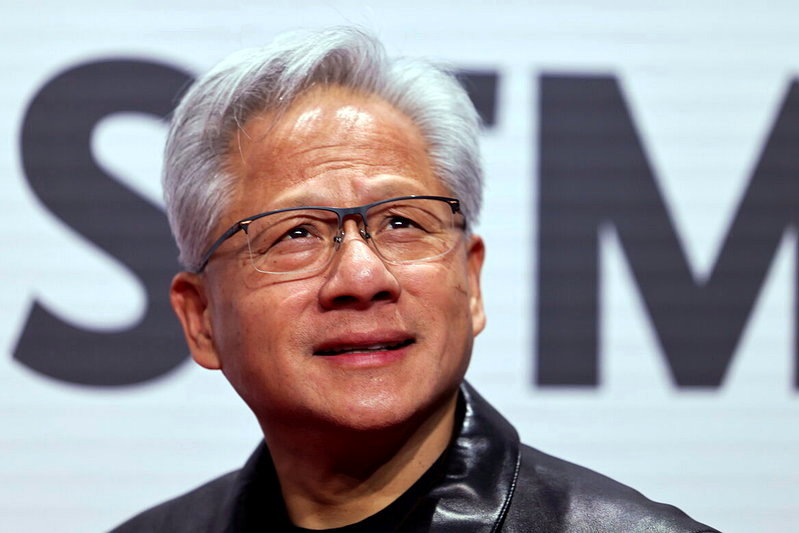
Huida ceoJen-Hsun Huang The derailment involved suspicion of communist espionage. The Wall Street Journal’s chief writing office commented that “Huida has learned a lesson from China’s honey trap” and stressed that the United States should close loopholes in chip control. and next weeksichuan zihui Export of Huida chips to China should not be allowed easily.
The Asia-Pacific Economic Cooperation (APEC) summit will be held in Shenzhen, China on the 18th and 19th. US President Donald Trump and Chinese President Xi Jinping are planning to hold their third meeting during this period this year.
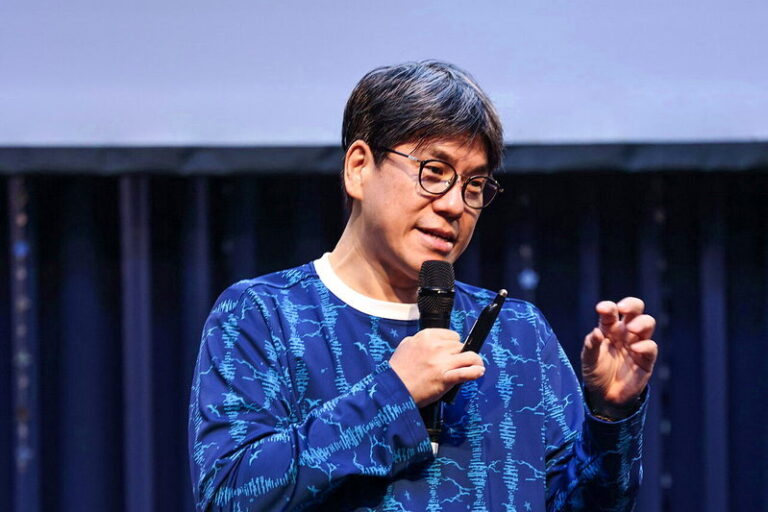
On the occasion, Jen-Hsun Huang, CEO of American artificial intelligence (AI) chip giant Nvidia, admitted that he had an extramarital affair and that the person he cheated on, Alice Huang, a former director of Singapore data center operator MegaSpeed, suspected of being a Chinese female spy.
The “Wall Street Journal” (WSJ) today published an opinion article written by the office of the chief writer, writing that in the eyes of Huida’s friends in Washington, Huang Renxun’s extramarital affair may seem like nothing, but this incident is a clear warning that China is trying to penetrate the top management of American companies to dominate the field of AI.
The article notes that MegaSpeed leases computing power to Chinese companies like Alibaba, meaning Chinese AI companies can use Huida’s high-performance chips despite US export controls.
One reason China has made rapid progress in opening up weighted AI models is to circumvent chip smuggling and export controls. This year, the United States accused Super Micro employees and a contractor of conspiring to illegally transfer billions of dollars worth of AI servers containing export-controlled Huida chips to China.
The article reports that Huang’s team has successfully lobbied the Trump administration to relax some export controls. Huida argues that allowing more chip exports to China would lead Chinese AI developers to rely on American technology, which undermines China’s use of AI to advance Beijing’s military goals and anti-American goals, and that Huida’s high-end chips would facilitate these actions.
The article asserted, “There is little evidence that Huang is not a patriot, but he has a naïve view that China is an economic rival rather than a geopolitical rival, and some people around Trump share the same view.”
Chinese spying and other actions give Trump more reason to doubt the promises Xi Jinping will make next week. The article notes that relaxing export controls on Huida’s Rubin and Blackwell chips is one of Beijing’s top goals. It would be a big mistake to allow exports of Huida’s chips only in exchange for China’s promise to buy more soybeans.
The article ends by pointing out that Jen-Hsun Huang’s extramarital affair exposes China’s plans for American chips and flaws in US export controls. Addressing these shortcomings may be one of the few but beneficial areas where both parties in the US can cooperate.
Summary FAQ
-
The article believes that this turmoil is not just a private scandal, but a warning that China can influence the layout of the AI industry through access to senior executives of US companies, and even use it to pursue its own technological and geopolitical goals.
-
The article pointed out that MegaSpeed has leased computing power to Chinese companies such as Alibaba, which shows that even if there are export controls, high-performance Huida chips can still enter China indirectly through transshipment, leasing or fraud.
-
WSJ argued that Trump should not relax export controls on Rubin and Blackwell chips because China has promised to buy more soybeans, as these chips could be used for China’s AI development and military purposes.