
AI summary
Summary of article:
Under the pressure of US secondary sanctions, Russia’s switch to RMB settlement was blocked, and the share of RMB in exports declined, highlighting that the dominance of the US dollar remains difficult to shake.
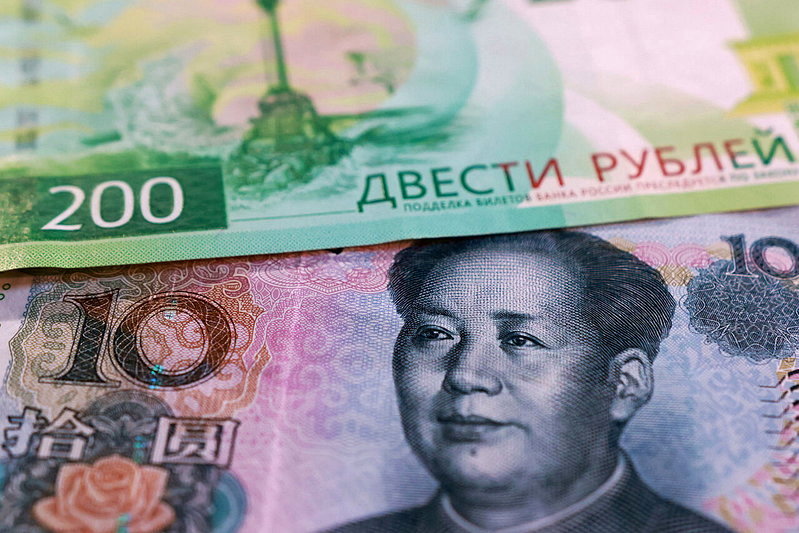
Bloomberg News reported that under the pressure of US sanctions,Russia It has effectively abandoned its plan to replace the US dollar with the yuan, highlighting the difficulties faced by other countries in finding alternatives to the US dollar and the fact that the global dominance of the US dollar remains unstable.
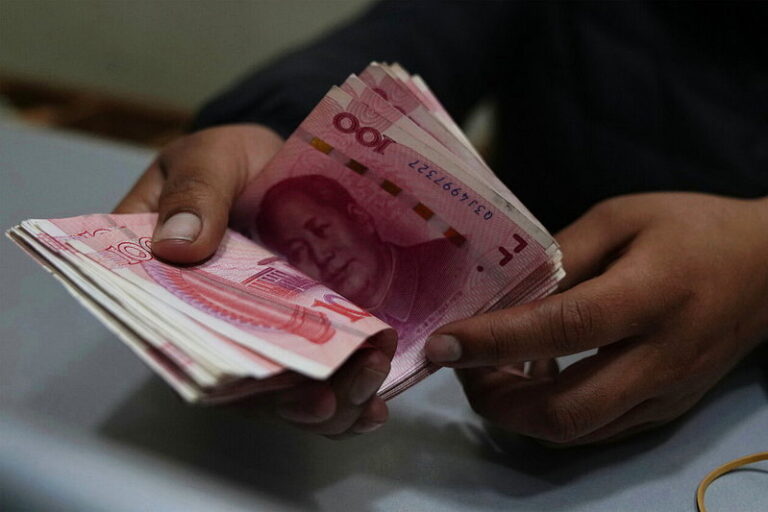
Bloomberg News reported,Russia The latest data from the central bank shows that although China-Russia trade continues to grow, the proportion of RMB payments in Russian exports has halved to 22% this year from a peak in mid-2024, when the United States expanded the scope of secondary sanctions. Today, 69% of Russia’s exports to Asia are paid for in rubles.
The reason for this change is that Chinese banks have reduced their transactions with Russia under the threat of secondary sanctions imposed by the United States over the Russia-Ukraine war. This shows that the United States is able to exert its political will even when facing China, the world’s second-largest economy, and also highlights the global dominance of the US dollar.
Amid Trump’s trade turmoil, many countries are trying to reduce their dependence on the US dollar. Although the yuan is seen as a possible alternative, China itself remains highly dependent on the dollar-based financial system.
Summary FAQ
-
Russia originally hoped to partially replace the US dollar with the yuan as an alternative for foreign trade settlements and capital circulation; However, this plan has actually been blocked following US sanctions and rising financial risks.
-
Data from the Russian Central Bank show that the proportion of RMB payments in Russia’s exports has halved this year to 22% from a peak in mid-2024, indicating that although Sino-Russian trade has grown, the settlement structure has declined significantly.
-
As the United States continues to threaten secondary sanctions in response to the Russia-Ukraine war, the Bank of China is concerned about being affected and has reduced its transactions with Russia. This also shows that the US dollar and US sanctions still have a deep impact on the financial system.