
AI summary
Summary of article:
Sirloin and beef rump come from similar parts, and the difference lies in the method of cutting and the fat covering; The first is thinner and more economical, while the second has a more fatty aroma and is common in Brazilian barbecue.
When it comes to sirloin (called sirloin in China) and beef rump (picanha steak), most Americans are more familiar with the former because it is lean, tasty, and affordable.brazil People should have seen beef rump at barbecue restaurants. There is a high degree of overlap between the two types of meat, but they are not exactly alike. Beef rump is usually more expensive than sirloin, and because it is less common, the price is also more exclusive. It is about 18 yuan per pound, and can be sold in weights of 2 to 3 pounds.
Chowhound reports that sirloin comes from the hindquarters of cattle and can be divided into top sirloin and bottom sirloin. The former is similar to beef rump, while the latter is a completely different part and has a tougher flavor because it comes from the part closer to the leg and has more exercise.
The important thing to know is that the loin and rump come from the same muscle, but are cut in different ways. This means that if you order both types of meat at the same time, the taste will be different. The main difference is fat.
The upper back loin comes from the upper part of the hindquarters of beef, i.e. the upper back. This cut is very lean, with less than 5 grams of fat in 3 ounces of meat. Since there is no oil that can make the steak juicy, it should not be overcooked. The recommended method is to use high temperature grilling or high temperature frying and do not exceed medium-rare. Make sure to let it sit for a few minutes after grilling.
The price of tenderloin is about 10 to 15 yuan per pound, which is cheaper than New Yorker or ribeye, which is about 20 yuan per pound.
Further toward the legs is the lower back loin meat, which can be divided into three types: tri-tip, ball tip or petite sirloin, and bavette or flap. Although the meat of the lower back is generally tough in texture, the triangular end meat is an exception. It can be grilled at high temperatures or quickly pan-fried, but to maintain tenderness, it is recommended to cut it against the grain. The other two types are very lean and tough, and they are marinated to make the meat soft and tender. Their prices are waist-cheap, less than 10 yuan per pound if you’re lucky. What these cuts have in common is that they are not the same as sirloin and beef rump.
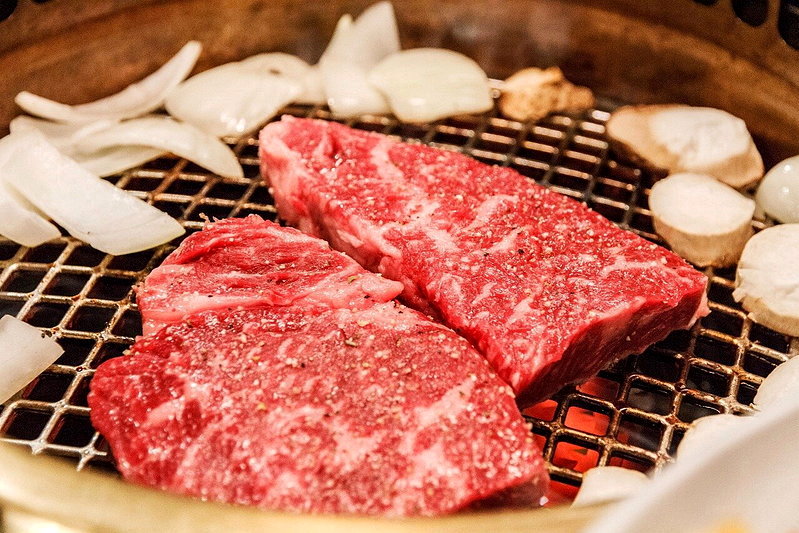
Beef rump and top sirloin come from the same muscle, but look different. Beef butt retains the fat cap, while top sirloin eaten in American restaurants usually has this fat cap removed. This part is sometimes sold under the name “top sirloin cap” (top sirloin cap or culotte).
When cooking beef rump, the fat cap will soften and the oil will leak out, allowing the meat to be seared with oil, giving the steak an oily aroma. If you want that basting step, you have to cook it right.
In Brazilian barbecue, beef rump is a classic cut. The preferred cooking method is to roll the meat into a C-shape and skewer it. Swirl it over the fire to allow the fat to drip off the meat. Indirect heating is also a good option, such as baking in an oven.
Summary FAQ
-
Both come from similar muscle groups in the hindquarters of cattle, so they are often confused, but they are cut in different ways. Sirloin mostly refers to the part that has more fat removed, while beef loin retains the fat covering, so the taste, aroma and price will be different.
-
The meat of the upper back loin is a lean part that does not contain a lot of fat. It is suitable for high-temperature barbecue or quick frying, and should be controlled to cook for about 5 minutes. The meat will dry out easily if overcooked, so leave it aside for a few minutes after cooking.
-
The beef rump retains its fat cover. When heated, the fat will melt and the meat will become saturated with oil, making the meat more flavorful. Brazilian barbecue is often wrapped around a C-shaped skewer and grilled, using rotation and heat to render fat into the meat, giving it a rich flavor.