
AI summary
Summary of article:
The Trump administration has reportedly used resuming European purchases of Russian natural gas as a bargaining chip in Russia-Ukraine peace talks, in hopes of providing economic incentives to Moscow and Ukraine. However, the move has been strongly opposed by Europe and has raised concerns about energy security.
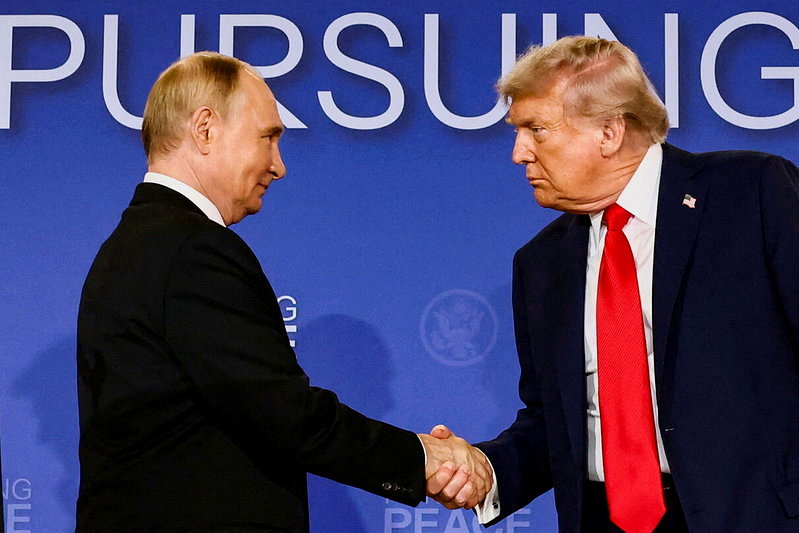
The New York Times, citing people familiar with the matter, said that the President of the United Statestrump Government proposal to “resume European procurement”Russia “Natural Gas” was included in the Russia-Ukraine peace deal, providing an economic boost to Moscow and encouraging the Russian PresidentPutin End the war in Ukraine. However, the idea could not only reverse years of US energy policy, but also bring huge revenues to Russia and allow Moscow to regain its influence in Europe, drawing strong opposition from European officials.
Trump has recently made successive concessions to Russia, first reaching a diesel deal with Moscow, and then suspending large-scale sanctions on Russia for 60 days, thereby reducing pressure on US energy prices and avoiding influencing the Republican midterm elections.
People familiar with the matter said Trump’s special envoy Voykov and Kushner have raised the idea in conversations with Ukrainian and European officials, including a meeting with Ukrainian President Zelensky in Kiev in September. The United States advocates that Ukraine should consider reactivating the pipeline that it used to deliver Russian natural gas to Europe as a means to induce Moscow to end the war.
The Trump administration believes that resuming Russian natural gas exports will not only provide transit fee revenue to Ukraine, but will also satisfy the needs of European voters for low-cost energy. However, European officials are deeply disappointed by this, believing it would reverse the EU’s achievements over years of efforts to wean itself off Russian energy dependence with the support of the United States.
Since Ukraine stopped transporting Russian natural gas in January 2025, it has lost about $1 billion in transit fee revenue each year. The EU has promised to completely stop importing Russian natural gas by 2027. The proportion of Russian natural gas in the EU’s total imports is set to fall from 45% in 2021 to 13% in 2025.
Resuming natural gas exports to Europe is one of the long-term plans being discussed by Kushner and Wyckoff, people familiar with the matter said. This could be incorporated into a comprehensive peace agreement and negotiated future relations between Russia and NATO, along with security guarantees and territorial control arrangements in Ukraine.
Some European and Ukrainian officials have also predicted that the United States may want to participate in Russia’s natural gas export business and allow American companies or the government to share part of the profits.
A person familiar with the talks said the Trump administration believes reactivating Russia’s undersea gas pipeline would be a relatively easy target for Europe once a peace deal is reached. Although European governments have publicly announced that they will no longer rely on Russian natural gas, the United States believes that European voters will eventually want cheap energy, just like American voters.
However, the idea has been strongly opposed by Germany. When the U.S. special envoy was consulting with Ukraine in Miami last week, he once again floated the idea of resuming Russian natural gas exports, two people familiar with the matter said. Günter Sötter, chief security advisor to German Chancellor Mertz, expressed strong protest on the spot.
The German government believes that even if it purchases Russian natural gas through intermediaries such as the United States, it still cannot eliminate energy security risks and may even face the threat of Moscow cutting off supplies again. Former German Economy Minister Robert Habach warned that Europe should not repeat the mistake of relying on Russian energy as Russia has proven to be unreliable.
However, demand has increased in Germany to resume purchases of Russian natural gas. The far-right Alternative for Germany (AfD) party, which has poll support rates near 30%, advocates using this method to lower energy prices and boost the economy. European leaders are concerned that the Trump administration’s policies are aligning with the views of the Kremlin and European populist parties, weakening Western economic pressure on Russia.
Habach acknowledged that Germany might be able to accept small amounts of Russian natural gas, but stressed that Europe must take control of its own energy infrastructure. He said more bluntly: “In the past, I would have been very happy if American companies participated in the ownership. But now I am concerned because we see that Trump has a more favorable perception of Putin than Ukrainians.”
Summary FAQ
-
The United States has proposed including Europe’s resumption of purchases of Russian natural gas in a peace agreement, using the resumption of energy interests as an economic inducement to get Putin to end the war in Ukraine and possibly negotiate other security and regional arrangements.
-
European officials believe this would undo years of efforts to wean themselves off Russian energy dependence, giving Moscow a chance to gain huge revenues and political influence. This could once again create a threat of supply disruption and weaken the pressure on the Russian economy.
-
Ukraine could regain transit fee revenues, but it could also be forced to accept more complex energy and political exchanges; Germany is concerned about a return to dependence on Gazprom, and there has been controversy within political circles and populist forces over demands to resume purchases.