
AI summary
Summary of article:
The Trump administration plans to tighten food stamp eligibility and revoke automatic application rights for TANF cash benefits through new rules at the Department of Agriculture, which is estimated to affect 6.3 million people and cause 1.8 million children to lose free lunches.
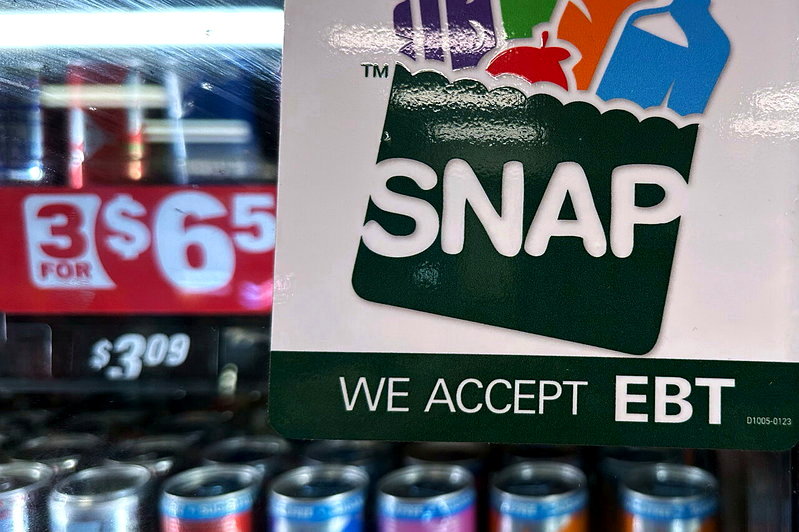
trump Government announced on 10thMinistry of Agriculture The proposed new rules would remove about 6.3 million people from the country’s largest food assistance program, commonly known asration card Was removed from the Supplemental Nutrition Assistance Program (SNAP).
●The agriculture ministry is considering new rules to tighten qualifications, which would affect 6.3 million people
The Department of Agriculture released proposed rules to limit automatic eligibility for food stamps. In the future, people who receive “Temporary Assistance for Needy Families” (TANF) cash benefits will no longer automatically receive “food stamps.” An analysis presented in the proposed rule shows that if the adjustments are implemented, approximately 6.3 million food stamp recipients, or about 18%, would lose benefits.
●TANF receipt standards vary by state
Reuters reported that currently, as long as families receive cash subsidies under the TANF program, they can automatically receive “food stamp” benefits. TANF eligibility criteria vary by state, but are generally set between 130% and 200% of the federal poverty level; As far as food stamps are concerned, the eligibility criteria is usually 130% of the federal poverty level.
The Agriculture Department’s draft rules would prohibit households receiving TANF cash subsidies from automatically qualifying for food stamp benefits. The draft says these adjustments will make eligibility for food stamps more standardized and “help leave benefits for those who really need them.” The public will have 30 days to comment on the draft rules.
●1.8 million children will lose free lunch
Because participants in the food stamp program often qualify for other food assistance programs, the Agriculture Department estimates that more than 1.8 million children would lose eligibility for free school lunches under its draft rules.
Rep. Angie Craig, D-Minn. And the ranking member of the House Agriculture Committee said the proposed rule was “senseless and cruel” and would “make it more difficult for people to meet their basic needs and set back previous efforts to streamline federal programs.”
During President Trump’s second term, he implemented several policy reform measures for the “Food Stamps” program and attempted to cut expenditures, resulting in a significant decline in the number of program participants. Federal data shows that after Trump signed the “Big America Act” into tax law in July last year and implemented measures such as expanding work requirements, the number of beneficiaries of the “food stamp” program decreased from 42.2 million in May last year to 36.6 million in May this year; The number of participants fell by 5.6 million within 12 months, a decline of more than 13%.
The number of “food stamp” participants has declined significantly in some states, which may cause states to face difficulties in making administrative adjustments to implement the new federal requirements. At the same time, they also have to bear huge additional expenses caused by the “big American law”.
The “Food Stamps” program helps more than one-tenth of the country’s population purchase food; Since 2010, the average number of monthly beneficiaries in 2019 and 2020 has been just under 40 million.
Summary FAQ
-
The new rules primarily restrict families who receive TANF cash subsidies from automatically qualifying for SNAP, commonly known as food stamps. The goal is to make eligibility determinations more standardized and reserve benefits for those who really need them, the Agriculture Department said.
-
According to an analysis by the Agriculture Department, about 6.3 million SNAP recipients would lose this benefit, which is about 18% of current recipients. Additionally, 1.8 million children may be missing out on free school lunches due to the link to relevant qualifications.
-
TANF eligibility varies by state, typically ranging from 130% to 200% of the federal poverty level; SNAP is mostly 130%. Critics argue that the new rules will cause more low-income families to lose aid, while supporters argue that they will avoid being too generous in eligibility.