
AI summary
Summary of article:
Democratic candidates focused on expanding the white card, reducing Medicare costs, and opposing welfare cuts. By winning elections in many states, he showed that medical security has become the most important issue of livelihood for the voters.
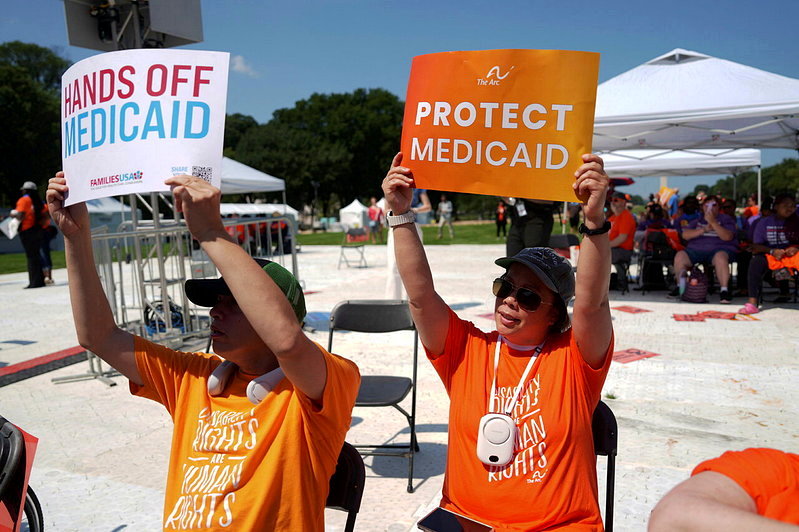
People’s livelihood issues have become an important consideration for American voters in voting. Apart from oil prices, commodity prices and cost of living, medical benefits are also the focus of the third midterm elections.democratic party Existencetexas Achieved success in Georgia, Ohio and Iowa, and several US Senate districts. Many elected candidates promised to expand Medicaid (commonly known as Medicaid) during the campaign.white card ), opposing cuts to Medicare funding or reform of the welfare system, making Medicare coverage a post-election focus.
Texas Governor-elect Gina Hinojosa has listed white card expansion as a key political issue, advocating that more low-income adults and families obtain medical insurance, improving children’s medical services, and maintaining the operation of rural hospitals. Texas has not yet fully expanded white cards in compliance with the Affordable Care Act (ACA), so this commitment has drawn attention.
Also in Texas, newly elected US Senator James Tallarico listed reducing medical costs and family financial burdens as a campaign demand.
Georgia’s newly elected governor Keisha Lance Bottoms has listed the expansion of the white card as a key political issue and has advocated allowing more low-income adults to obtain medical coverage, as well as reducing medical insurance premiums, establishing a drug price supervision mechanism, and strengthening support for rural hospitals to ameliorate the problem of inadequate medical resources in remote areas.
Jon Ossoff, the re-elected US senator from Georgia, opposes federal government cuts in funding for white cards and advocates lifting relevant restrictions and prioritizing reducing medical expenses and family living costs.
Ohio Governor-elect Amy Acton has a different policy focus. Since Ohio implemented the White Card expansion, it has primarily promised to maintain existing Medicare protections, lower prescription drug prices and Medicare debt, and improve administrative processes for people to apply for and maintain Medicare benefits.
Sherrod Brown, who has returned to the federal Senate, has made his opposition to the white card cuts a key campaign issue and criticized the federal budget bill as potentially denying medical coverage to low-income families. He advocates protecting white card beneficiaries and reducing prescription drug and other medical expenses.
Newly elected Governor of Iowa Rob Sands focused on reform of the white card management system, promising to end the model of white card management by private insurance companies and improve issues such as delayed payments, denied claims, and inadequate rural medical resources. He also proposed measures to lower drug prices and reduce medical debt.
Josh Turek, the newly elected US senator from Iowa, was born with spina bifida and has long used a wheelchair. During the campaign, he criticized the Republican Party for cutting funding for white cards, saying that related policies could force rural hospitals and clinics to close. He also opposed cutting premium subsidies under the Affordable Care Act (ACA) and advocated lowering prescription drug prices to reduce people’s medical burden.
These policies reflect the varying medical needs of each state. Texas and Georgia have not fully expanded white cards, so new governors advocate increasing the beneficiary population; Oklahoma has implemented expansion with a focus on maintaining existing protections; And the Iowa White Card focuses on the management system and quality of medical services.
The reason why medical benefits have attracted attention is also related to the federal budget bill passed in 2025. The bill makes major adjustments to white card work requirements, eligibility reviews, and federal funding. Some provisions are set to go into effect in 2027, which could make it more difficult for low-income families to maintain Medicare coverage. Changes to the Affordable Care Act’s premium subsidies have also caused some families to face higher insurance costs.
However, the campaign promises do not represent immediate changes to welfare policies. If a newly elected governor promotes white card expansion or system reform, he or she must still have the support of the state parliament; If federal lawmakers want to repeal existing austerity measures, they must also go through the congressional legislative process. Whether these medical benefit promises can be implemented in 2027 will be an important indicator for voters to test the new authorities.
Summary FAQ
-
Because many voters are simultaneously affected by the pressure of gas prices, commodity prices and medical expenses, candidates will expand the white card and reduce premiums and drug prices as the main topics, which directly respond to families’ concerns about living costs and insufficient protection.
-
Texas and Georgia have not fully expanded white cards, so they focus on expanding the beneficiary population; Oklahoma has expanded with a focus on maintaining safety and reducing burdens; And Iowa focuses on improving the management system and improving the quality of medical services.
-
Because the Governor’s promotion of white card expansion or reform still requires the support of the State Parliament; If federal lawmakers want to repeal the cuts or adjust the subsidies, they must also pass congressional legislation. Whether it will actually be implemented will depend on subsequent political discussions.