
AI summary
Summary of article:
The New York Times reported that Taiwan’s typhoon holidays are not only disaster prevention measures, but may also influence the election of local chiefs; Research shows that holidays are 31% more likely to be granted during election years, and whether or not to grant them can have political consequences.
Taiwan is located in the subtropics and is hit by typhoons several times each summer to autumn. Whenever a hurricane hits, heads of counties and cities have to decide whether to declare a “hurricane holiday” and halt work and classes.new York Times On the 22nd, it was reported that the typhoon will not only cause disasters such as floods, but may also determine whether the mayor can be successfully re-elected.
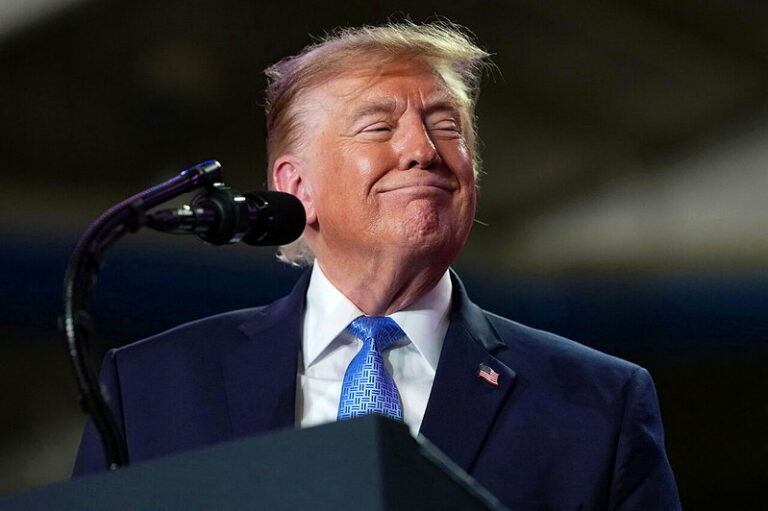
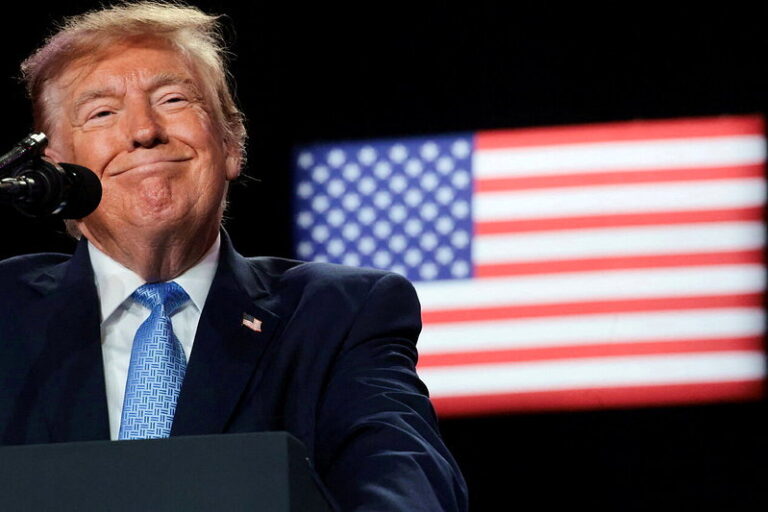
Powerful Typhoon Champi impacted Taiwan, briefly reaching super typhoon level. It is also the most powerful storm of 2026. It is expected to pass through the northeastern part of Taiwan, causing heavy rainfall and maximum winds of about 227 km/h. mayor of taipeixiang wannan On the 22nd, he declared a typhoon holiday on the 23rd and called on the public to pay attention to safety. This decision was not surprising given the weather forecast. However, the Kuomintang’s Jiang Wannan will also run for re-election in late November and face a challenge from Democratic Progressive Party lawmaker Shen Boyang, and typhoon holidays have always been popular with the public.
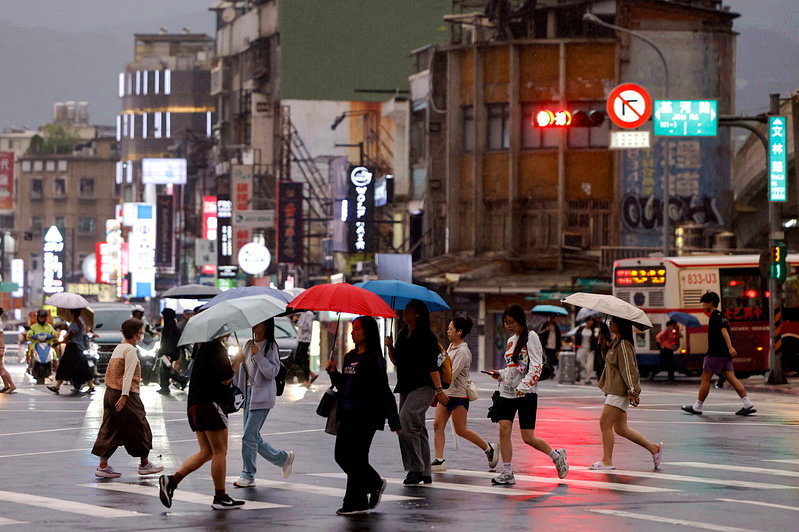
Almost all counties and cities in Taiwan have also announced suspension of work and classes. People usually stay home to spend typhoon holidays, but if the typhoon is not as severe as expected, many people will go out shopping, watching movies, or singing karaoke. Since Taiwan is often hit by typhoons, whether or not to declare holidays has also become an issue of great concern to voters.
Wang Hongan, an associate professor at the University of Nevada who studies the relationship between hurricanes and elections, reported that the likelihood of county and city heads announcing suspension of work and classes would increase by 31% during an election year. He said it may take months or even years to evaluate the effectiveness of other policies, but whether the decision to issue typhoon leave is the right one can usually be determined within a day or two. For example, if a storm brings strong wind and rain after a holiday is announced, it means that the authorities have taken the right decision. Since the decision to grant holidays entirely depends on the office of the Mayor, the Mayor also has to take full responsibility.
Wang Hongnan said: “It is easy for people to use it to evaluate whether the current chief minister is doing well or not.” When it comes to re-election, he said, “People will remember whether the decision the mayor has taken is right or wrong.”
Many high-speed rail tickets departing from Taipei during working hours on the 23rd were all or almost sold out on the 22nd. Supermarkets have also increased their stocks of drinking water, fresh fruits and vegetables and instant noodles. Instant noodles are a common and essential food during typhoons. People have left messages for the holiday on Jiang Wannan’s Facebook page, and are also discussing on social media how to use the four-day holiday, including Liberation Day on the 25th and supplementary holiday on the 26th, for drama and sleep.
Although hurricane holidays are very popular, declaring holidays when not necessary can also become a political liability for candidates. Business and industry groups generally oppose hurricane holidays because most companies still have to pay employees for the day, which increases operating costs. If Taipei City announces the suspension of work and classes, the Taiwan Stock Market will also be closed that day.
For example, when Typhoon Bavi approached Taiwan in July, Jiang Wannan declared a holiday on Friday to prepare people for the approaching typhoon over the weekend. Critics and political opponents accused him of coining the concept of a “hurricane preparedness holiday” to please voters.
However, if the holiday is not declared on time, the consequences may be more serious. In June this year, when Typhoon Mikra passed through central Taiwan, the heads of Hsinchu County and the city, where Taiwan’s largest semiconductor company is located, were criticized for not declaring a typhoon holiday. The next day when the typhoon arrived, Hsinchu County Mayor Yang Wenke publicly apologized and announced that he would stop attending work and classes. The storm took the lives of two people.
President Lai Ching-tey was also praised and ridiculed for his decision-making on the typhoon. When Typhoon Tembin approached Tainan in 2012, Tainan’s then-mayor Lai Ching-te decided to go to work and school as usual. However, the storm was not as powerful as expected, earning him the nickname “Lai Shen”. But when another typhoon hit in 2013, he once again resisted pressure to declare a holiday. However, the storm caused severe flooding in Tainan city. Lai Ching-te later apologized publicly.
Summary FAQ
-
Because the decision to grant a hurricane holiday rests entirely on county and city chiefs, the public can immediately judge whether the decision is right or not, and then regard it as an expression of the chief’s governing ability and whether he cares about public opinion.
-
Wang Hongnan, an associate professor at the University of Nevada, reported that the probability of county and city heads announcing suspension of work and classes would increase by 31% during an election year, indicating that hurricane holidays may be affected by the pressure of election campaigns and public opinion.
-
Jiang Wanyan was criticized for granting early leave due to Typhoon Bavi in order to please voters; Hsinchu County and city were reprimanded for not granting holidays on time. Later, the storm killed two people, highlighting the controversy that granting or denying holidays can cause.