
AI summary
Summary of article:
Studies have shown that plastic tea bags can release large amounts of plastic particles when they come in contact with 95 degree hot water. Even corn fiber tea bags made from PLA are no exception. Although the amount of some of the chemicals leaked is within safety standards, it still raises health concerns.
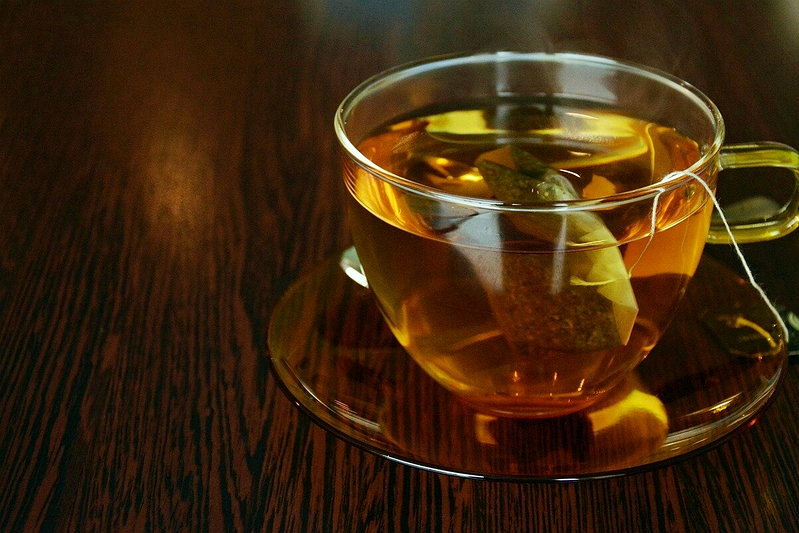
Approximately 159 million people in the United States drink tea daily, which is approximately half of the US population. However, the latest research warns that when plastic tea bags are exposed to hot water, they can release plastic particles in much greater quantities than tea leaves.
Scientists compared 14 brands of tea made using plastic tea bags and 14 brands of loose-leaf tea. All teas were steamed in hot water at 95 °C for three minutes.
It was found that tea made from plastic tea bags contained 555–2,498 plastic particles per cup; In comparison, tea made from loose tea leaves contains only 0.3-2.4 plastic particles per cup.
The plastic particles in loose tea are made of a variety of materials and could come from environmental pollution or processing, the researchers said. In contrast, all the plastic particles present in tea made from plastic tea bags are polyamides.fiber The very material from which tea bags are made points directly to the source of pollution.
The researchers also identified which chemicals leached from the tea bags into the water. They measured levels of bisphenol A (BPA) and phthalates. BPA can interfere with endocrine function and impair heart activity, while phthalates are linked to endocrine disorders and potential problemscancer Risk related.
Researchers found bisphenol A and various phthalates in the tea bags, but the levels of these substances were within US safety standards. However, they said the standards may be outdated, especially for bisphenol A, which they found at relatively high levels.
A study by Turkish researchers estimated that drinking tea made with plastic tea bags could lead to a maximum bisphenol A intake of 21.7% of the European Food Safety Authority’s tolerable daily intake.
The environmental nonprofit West Loop reported last year that some tea bags from brands like Tazo, Celestial Seasonings and Twinings contain plastic, but “many brands are working hard to move toward not using plastic at all.”
Many tea companies have gradually moved away from petroleum-based plastics and switched to bioplastics called polylactic acid (PLA), which are derived from plant-based materials such as corn starch. However, a 2023 study showed that tea bags made from PLA (commonly known as corn fiber tea bags) may still release plastic particles.
Summary FAQ
-
Researchers compared 14 brands using plastic tea bags and 14 loose tea brands and brewed them with 95 degrees hot water for 3 minutes to find differences in the release of plastic particles and chemical substances in different packaging methods.
-
The results showed that tea made from plastic tea bags contained 555–2,498 plastic particles per cup, much higher than the 0.3–2.4 particles in loose tea. The study also found that these particles are primarily polyamide fibers, which are made of the same material as tea bags.
-
Although PLA comes from plant raw materials such as corn starch, a 2023 study reported that tea bags made from PLA may still release plastic particles; Additionally, the study also measured substances such as BPA and phthalates, showing that alternative materials may not be completely risk-free.