
AI summary
Summary of article:
The incidence of oral cancer has increased significantly over the past 20 years, especially among youth. Experts remind the public to pay attention to oral ulcers, red and white spots and lumps. If the changes persist for 3 weeks and do not get better, they should seek medical advice as soon as possible.
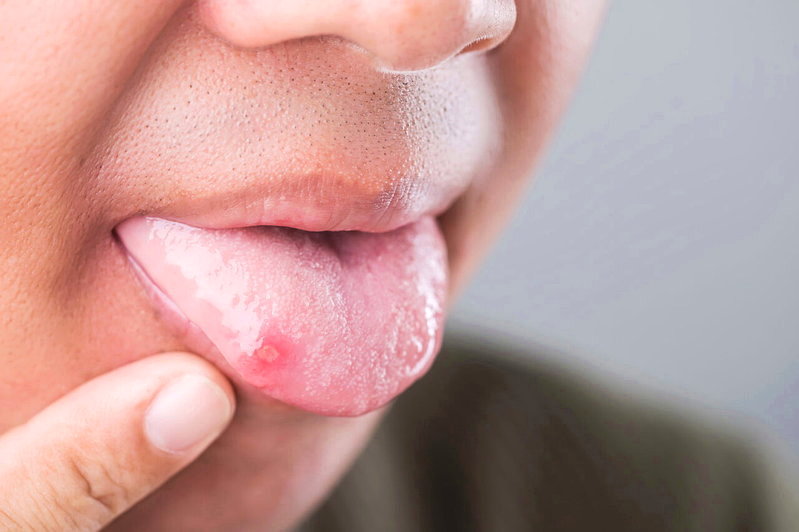
mouth cancer The number of patients has more than doubled over the past 20 years, largely due to an increase in the number of diagnoses in people under the age of 50. With the number of oral cancer cases rising among young people, experts are urging the public to recognize the warning signs and pay special attention to oral ulcers. One of the easiest signs to detect is an ulcer on the gums or tongue that has not healed within three weeks.
The Daily Mail reports that new research from the Oral Health Foundation shows that people’s awareness of oral cancer symptoms does not keep pace with the number of diagnoses. Less than a third of adults have had their mouth checked for suspicious changes, and half can’t even name any symptoms.
Experts hope that people will pay special attention to mouth ulcers, as many people mistakenly think that these are symptoms of physical weakness. Dentist Katherine Brady said oral ulcers, plaque or lumps may not be easy to notice, especially if they are not painful. If these changes persist for three weeks, they need to be checked by a professional.
Brady said oral cancer can affect anyone and has nothing to do with lifestyle. The sooner it is caught, the better the treatment, so it is important to know the symptoms. It can affect any part of the mouth, including the gums, tongue, inside of the cheeks, and lips.
Victoria Sampson, a functional dentist at The Health Society, a British medical organization, said that if a painless ulcer appears on the tongue and does not heal for several weeks, this is one of the clearest warning signs of a high risk of oral cancer.
Karen Lisching-Schroder has a deep understanding of this professional advice. This mother of two has never smoked, drinks very little alcohol and loves running. One day he discovered an ulcer on his tongue. He ignored the ulcer for several weeks and the ulcer did not heal. This eventually turned into a hole, and was eventually diagnosed with tongue cancer. This was unacceptable to Karen, who always thought she was in good health.
If there are any worrisome changes, don’t wait until three weeks to seek professional help, says Brady. The three-week waiting period refers specifically to ulcers that are not healing.
Other common symptoms include red or white patches in the mouth, unusual lumps or swelling in the mouth, lips or neck, difficulty swallowing and a hoarse voice.
The Oral Health Foundation urges the public to regularly check their mouth in the mirror to understand the general condition of their mouth. Brady advises that after brushing your teeth, pay attention to unusual swelling, skin changes, ulcers, lumps, etc. on your neck, inside your lips, inside your cheeks and on your gums, under and around your tongue. If you notice any abnormalities, or if the symptoms do not subside within three weeks, you should consult your family doctor or dentist.
Summary FAQ
-
The report notes that the number of oral cancer patients has more than doubled over the past 20 years, largely due to an increase in the number of diagnoses under the age of 50, indicating that the risk is increasing among younger people.
-
The most important thing to pay attention to is ulcers on the gums or tongue that have not healed within 3 weeks. Apart from this, red or white spots in the mouth, unusual lumps, difficulty in swallowing and hoarseness are also warning signs.
-
Experts recommend examining the inside of your lips, inside of your cheeks, gums, under and around your tongue after brushing your teeth and paying attention to swelling, skin changes, ulcers, or lumps; If abnormalities persist for 3 weeks, you should consult your dentist or family doctor.