
AI summary
Summary of article:
New York City is promoting the electrification of new buildings and restricting the installation of gas appliances in new residences. The Chinese, who depend on large fires, are beginning to worry about the impact on cooking. However, many existing residences and restaurants will not be affected.
Chinese families who are accustomed to using gas stoves for quick cooking may have to switch to electric stoves when they move to new apartments in New York.new york city Andnew York State In recent years, policies to promote the electrification of new buildings and gradually restrict the installation of gas appliances in new residences have raised concerns among some Chinese about the impact on traditional cooking habits.queens City Councilor Phil Wong recently pointed out that Chinese stir-fry dishes focus on heat, and it is difficult for electric stoves to replace cooking over an open flame. He hopes that policies can take into account the life needs of different ethnic groups.
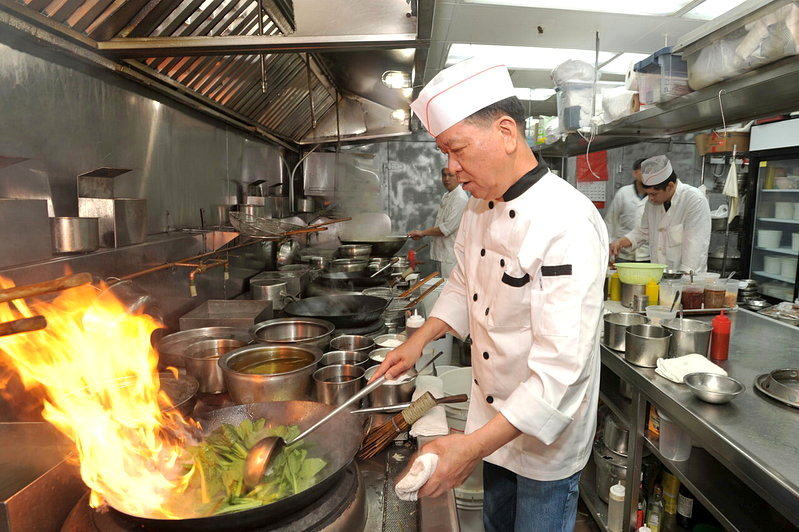
Huang Yuxing said that Chinese cuisine often uses a wok to quickly fry ingredients over high heat. They worry that if gas stoves are not provided in new homes in the future, residents accustomed to using traditional woks will be forced to change their cooking methods.
Chinese cooking emphasizes high temperatures and fast cooking. Many families are accustomed to using gas stoves, which facilitates direct control over the firepower. Generally, the use of flat electric stove is different from the traditional round-bottomed wok, and some residents may need to change utensils or adjust cooking methods. However, induction cooktops can also facilitate cooking at higher temperatures, and with the right pots and pans, you can still make Chinese stir-fry dishes. Behind the controversy is New York’s gradual implementation of electrification rules for new buildings aimed at reducing fossil fuel use and greenhouse gas emissions.
New York City passed Local Law 154 in 2021, which would theoretically ban the use of gas and other fossil fuel appliances in newly implemented single-family and two-family residences and buildings under seven stories tall starting in 2024; New buildings above seven storeys are scheduled to be added in July 2027, and some affordable housing has a later implementation deadline.
However, this regulation does not affect all families. The new rules do not require existing residences with gas furnaces to tear down or replace equipment. This restriction is mainly for new building applications. Additionally, there is an exemption for commercial kitchens, so Chinese restaurants that meet the regulations can still use gas stoves for cooking.
New York State also has an All-Electric Building Act, but it is still involved in legal proceedings and disputes over the implementation schedule, which differs from the New York City regulations implemented.
This policy has also become an issue in the recent governor elections. Republican candidate Bruce Blakeman criticized the sanctions for ignoring Chinese culinary culture; Governor Kathy Hochul’s camp emphasized that existing residences and restaurants do not need to remove gas stoves as a result.
Summary FAQ
-
New York City is promoting the electrification of new buildings to reduce the use of fossil fuels and greenhouse gas emissions. Therefore, it has gradually restricted the installation of gas appliances in new residences and prioritized converting new buildings to electric systems.
-
Because many Chinese families are accustomed to using gas stoves to stir-fry, which allows them to directly control the power and duration of food. If a new apartment uses an electric stove, it may be necessary to replace utensils or adjust the cooking method.
-
It mainly affects newly constructed residences. Existing residences do not need to dismantle gas stoves. In addition, commercial kitchens and Chinese restaurants that meet the regulations are also exempted and can still use gas stoves for cooking.