
AI summary
Summary of article:
The white card work requirement will be implemented in 2027, which could cause approximately 400,000 people in Illinois to lose their insurance coverage, leaving the public and non-profit medical systems in Cook County facing the dual pressure of declining revenues and increasing free medical expenses.
With the federal Medicaid program (Medicaid, as it is commonly known)white card ) Work requirements will take effect in 2027. Cook County Health, which provides free medical care and is known as the “hospital for the poor”, is also facing significant financial pressures. Nearly 400,000 Illinois residents are at risk of contracting the disease.Insurance Cook County Hospital may not only lose 138 million yuan in revenue, but free medical expenses may also increase by 100 million yuan.
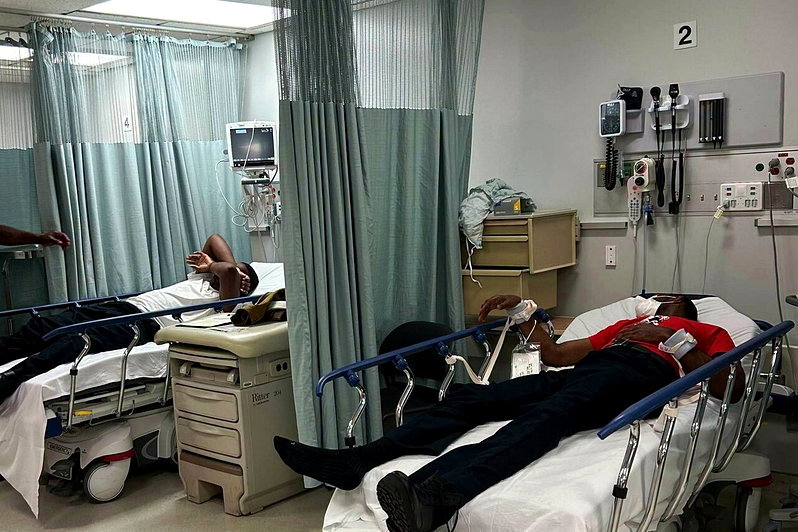
Cook County Health System Long Term Carelow income And in addition to uninsured patients, its hospitals serve the medical needs of a large number of vulnerable people. Cook County Health System CEO Eric Mikaitis said the change in white card policy would cause more patients to lose their insurance and rely on public hospitals and free medical services. For hospitals already responsible for caring for large numbers of low-income and uninsured patients, this means the double impact of reduced revenues and increased expenses.
Steph Wilding, CEO of CommunityHealth, a nonprofit medical organization in Chicago, explained that as the demand for free and low-cost medical care continues to grow, nonprofits like CommunityHealth that serve uninsured populations will play a more important role in maintaining the overall medical safety net.
As far as medical debt is concerned, it is not only a financial issue but it also affects whether patients are willing to seek medical treatment in the future. When patients are worried about being unable to afford medical care, they often choose to delay treatment and may ultimately require more expensive medical services.
Although the Illinois Department of Healthcare and Family Services (IDHFS) reports that nearly 700,000 residents statewide have received more than $1.4 billion in medical debt relief over the past two years, a study published by the National Bureau of Economic Research (NBER) in 2024 found that medical debt cancellation has limited impact on improving these indicators.
Courtney Varpy Story, vice president of government programs at Undue Medical Debt, a nonprofit organization, said that according to the organization’s survey, the majority of people with medical debt said the debt has a negative impact on their personal credit score and mental health.
He said these medical debts are often “not that people don’t want to pay, but that they can’t afford it.”
Medical debt relief also raises another issue worth discussing: How to balance medical coverage for low-income patients with fairness to others who pay their own health insurance premiums and still have to bear high deductibles and medical bills?
Even though some families with insurance pay monthly premiums, they still have to pay thousands or tens of thousands of dollars in deductibles and out-of-pocket expenses if they get sick. In contrast, eligible low-income patients may receive lower-cost services through white cards or charity care, highlighting the disparity in burden faced by different groups in the US health care system.
However, the white card provides medical protection based on income and other legal conditions. Just because the beneficiary receives free or low-cost medical treatment, it cannot be assumed that the eligibility has been misused.
The 2025 Illinois Answers Project survey found that many Cook County patients who received medical debt relief were originally eligible for free charity care, indicating that medical institutions still have room for improvement in informing them about eligibility and assisting with applications.
With the implementation of the new white card rules, how Cook County Medical System maintains financial operations and ensures that patients who truly need assistance, while keeping the burden on other taxpayers and premium payers, has become an important public policy issue.
Summary FAQ
-
Because after work requirements go into effect, more low-income people may lose their insurance and turn to public hospitals and free medical care. Cook County Health System estimates its revenue will decrease by $138 million, and free medical spending could increase by $100 million.
-
Medical debt not only affects finances, but it can also cause patients to delay seeking medical treatment because they worry they can’t afford it, leading to the need for more expensive treatment if their condition worsens. It can also damage credit and mental health and weaken the overall functioning of the health care safety net.
-
The report notes that medical debt relief could help underserved patients, but it also sparked discussion about the fairness of other self-pay premiums and higher deductibles for people. Additionally, few patients are actually eligible for charity care, indicating that the application assistance process still needs improvement.