
AI summary
Summary of article:
A 58-year-old Swiss woman joined the hospice-assisted organization EXIT, and treated it as preparation like buying insurance; He stressed that this was to preserve their autonomy and choice, but not necessarily to use euthanasia.
58 years old, physically and mentally healthySwitzerland She Shany joined EXIT, Switzerland’s largest hospice organization, as a member four years ago. They believe that joining an organization is like making a purchaseInsurance Advance planning is needed to prepare for end of life and protect autonomy, but it does not mean that assisted hospice services will be used in the future.
EXIT is the largest assisted hospice in SwitzerlandEuthanasia Business groups are civil associations. According to data released by the association, there are currently more than 200,000 members in Switzerland. In addition to Swiss citizens, foreigners holding the right of residence in Switzerland can also apply for membership.
According to the association’s public data, a total of 1,421 members received hospice assistance in 2025, about 1% of all members. For many members, membership is primarily about arranging advance care decisions, obtaining legal support and protecting the patient’s autonomy, as well as receiving counseling on dementia and end-of-life planning and maintaining options if their condition worsens in the future.
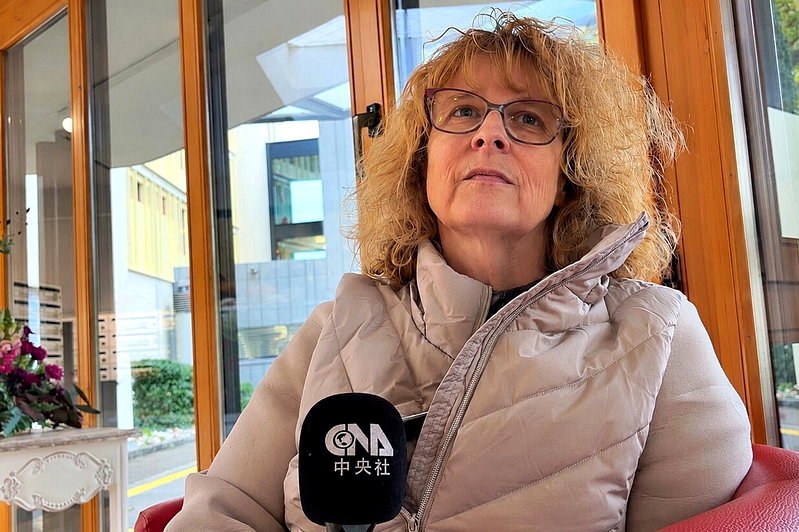
Janine Stalder, a member of the association, said in an interview with the Central News Agency that even though her family may object, she still believes joining the hospice is an important decision in her life. He believes that one should prepare for oneself when the mind is clear and the body is healthy, rather than waiting until the physical and mental condition has deteriorated and then neglecting the family, or being forced to receive treatment completely against one’s will just to maintain life.
Becoming a member of a hospice-assisted institution is like buying insurance in Switzerland and requires advance planning and careful consideration, she said. The organization will professionally discuss the various possibilities at the end of life with members and help confirm the content of the advance medical decision. You can feel comfortable only by making arrangements in advance.
He also pointed out that getting doctor’s consent and actually accepting assisted death is not easy, and it requires going through multiple levels of scrutiny. She doesn’t think she will definitely use this service. Even though he has used the membership fees he has paid over the years to support other members, he is still willing to support the hospice concept with practical actions.
She admitted that her husband was unwilling to discuss the matter with her, and her son had difficulty accepting it at first. However, her father’s insistence on accepting hospice support and the experience of being with other relatives and friends at the end of life have made her more convinced that she should be prepared for the end of her life, even if hospice still seems a long way off. She hopes that her family will gradually understand and believes that they will accept it one day.
Shishane’s mother currently lives in the Alterzentrum Mittelreise Winnental in rural Aargau, but is not a member of the hospice. Even though assisted hospice has been implemented in Switzerland for many years, getting involved in the relevant institutions and discussing end-of-life options with family members is still difficult and a controversial topic.
Summary FAQ
-
They believe that end-of-life preparations should be made when the mind is clear and the body is healthy, to avoid being forced to receive treatment against one’s will if one loses autonomy in the future, and to avoid endangering family members.
-
EXIT is Switzerland’s largest professional euthanasia-assisted organization and a non-governmental association. It currently has over 200,000 members throughout Switzerland, and both Swiss citizens and foreigners with residence rights can apply for membership.
-
Most members come for advance medical decision-making, legal assistance, protection of patient autonomy, and counseling on dementia and end-of-life planning; Even if hospice services are not ultimately used, they may retain future options.