
AI summary
Summary of article:
Qatar has been intervening between the United States and Iran to promote the resumption of nuclear talks, but the two sides are at an impasse. At the same time, there is still a risk of the situation worsening due to differences within the Trump team, Israeli pressure, and post-election changes.
Axios reported on the 30th that diplomatic sources revealed that Qatari mediators held more than 12 hours of talks in the Iranian capital Tehran on the 30th to try to reach an agreement.mei yi Restore directly negotiated agreements to avoid USmidterm elections Then war broke out. Relevant consultations will continue on the 31st in Doha, the capital of Qatar.
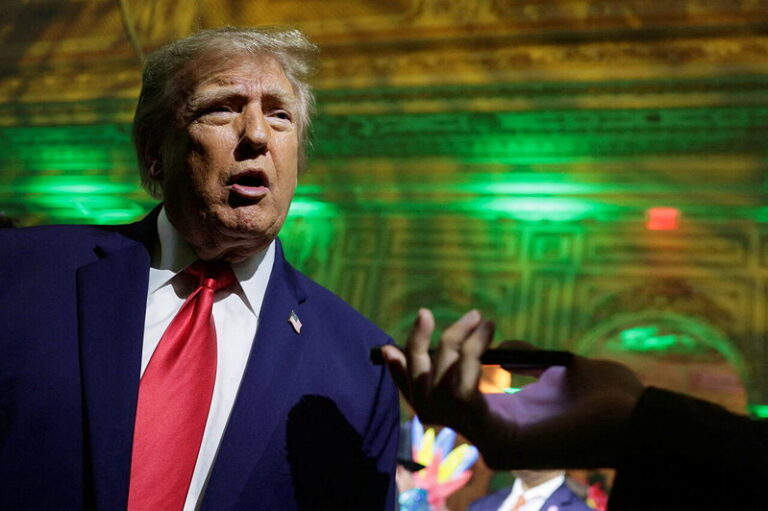
trump He told reporters on the 30th: “The two sides are talking. They want to talk and are talking.” He said, “Frankly, we still have time. This is a war, but no ordinary war.” A diplomatic source said the Qatari mediator maintained contact with the White House during the talks. “There has been positive progress in the talks. Talks are still ongoing and efforts are being made to achieve an agreement between the United States and Iran,” the source said.
Qatar is urging the United States and Iran to agree to implement a series of coordinated measures within days to allow the two sides to resume direct talks on Iran’s nuclear program and other issues. A US official said the talks were hampered by conflicting demands from the United States and Iran. Washington insists on making Iran’s concessions on the nuclear issue one of the conditions for resuming talks; Tehran demands that the United States first lift its naval blockade, lift a funding embargo and allow Iran to sell oil.
Trump’s chief staff is divided over how to deal with Iran. A US official said that Defense Secretary Jesus and Secretary of State Rubio are highly skeptical that any nuclear deal can be reached with the current Iranian regime, and believe that if Trump wants to leave a significant mark in history, he should further weaken the Iranian regime, including launching more military strikes.
In contrast, Vice President Vance and Trump’s special envoys Wyckoff and Kushner are expected to resume negotiations. Treasury Secretary Besant, one of Trump’s closest allies, is leading an economic pressure campaign, advocating for continuing to work rather than getting back into the fight. As for Trump himself, the US official said he doubted Iran would ultimately be able to agree on a deal that would satisfy him.
Egypt, Turkey, Iraq, Pakistan and Saudi Arabia are urging Iran to agree to restart talks before the US midterm elections, a regional source said. Qatar is also trying to persuade Iran to allow UN inspectors access to bombed nuclear facilities as a confidence-building measure in exchange for some easing of US sanctions.
A US official said that ifrepublican party Trump may be willing to order a large-scale military operation after his massive defeat in the midterm elections. “If he feels humiliated or marginalized, he will take bold action. That’s what everyone is telling the Iranians. Now is their best chance for a deal,” the official said.
However, a White House official said the election results would have no impact on Trump’s decision on Iran. The leaders of Saudi Arabia and Turkey have recently urged Trump to allow more time for diplomatic mediation. At the same time, Israeli Prime Minister Netanyahu is lobbying Trump to unite to launch a military operation against Iran immediately after the election.
Summary FAQ
-
Qatar hopes to push the United States and Iran to take coordinated measures within days to allow the two sides to resume direct talks on Iran’s nuclear program and other issues, to avoid worsening the situation and leading to conflict after the midterm elections.
-
Mainly because the two sides have conflicting demands: the United States insists that Iran make concessions on the nuclear issue before resuming negotiations; Tehran requires the United States to first lift its naval blockade, lift the funding embargo and allow Iran to sell oil.
-
The report quoted US officials as saying that Trump may be willing to order large-scale military action if Republicans suffer a landslide defeat in the midterm elections. However, White House officials also said the election results would not influence the decision-making process, indicating there was still a gap in internal judgment.