
AI summary
Summary of article:
A massive fire broke out in a grassland in a protected area in eastern Mongolia and reached the Chinese border. China mobilized more than 3,400 personnel to set up security. The incident was suspected to involve the activities of the senior management team of Japanese companies, sparking public criticism and subsequent discussions over liability and compensation.
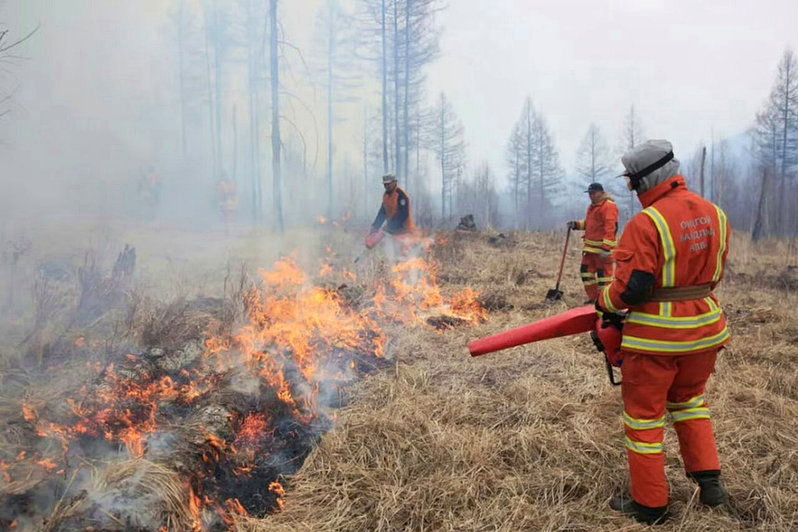
Recently a massive fire broke out in the grasslands in the Numaluk Strict Nature Reserve in eastern Mongolia and the fire once reached ChinaLimit China immediately deployed more than 3,400 rescue workers. As the fire was suspected to be a vehicle fire that broke out after a Japanese executive team from Japanese-backed telecommunications company Mobicom entered the protected area, public opinion on the Chinese Internet became increasingly heated. Some people summarized the incident as follows “Japan “Fires set by humans”, raising questions about why China would invest so much manpower to prevent cross-border fires if large-scale ecological disasters are caused by the misconduct of those involved, and how companies should shoulder responsibility.
The fire broke out in the Naumlug Strict Nature Reserve in eastern Mongolia’s Oriental province, according to reports by local Mongolian media such as Xinhua News Agency and the Global Times. That day, Mobicon’s senior management team, a total of 13 people in five vehicles, went to the local border area to hand over communication network projects and participate in the situation investigation. During this time a vehicle caught fire and the grass field caught fire.
Mobikan said the team was carrying out relevant work at the time; However, some Mongolian media also said that the team’s trip may include entering a protected area to catch salmon, a rare local fish. The Mongolian Border Security Department has reported on the status of permits for people and vehicles entering the border area, but the specific purpose of the team’s entry into the nature reserve, whether it violated regulations, and whether fishing claims are true are still pending investigation by authorities, and responsibility for the fire has not yet been determined.
The incident sparked discontent among Chinese netizens. Some of the discussions pointed the finger at the Japanese officials involved, believing that the problem was not just the vehicle fire, but whether the motives and behavior of the personnel concerned in entering the ecological reserve were appropriate. Some people summarized the incident as “a fire set by the Japanese” to express their anger towards those involved; Others raised the question that if the investigation proves that someone entered a protected area in violation of rules and that there is a causal link between the behavior in question and the fire, then the people and companies involved should not just apologise.
After the fire spread on the China-Mongolia border, the most direct pressure is on China for prevention work. The fires are not only an environmental disaster for neighboring countries, but also involve who risks crossing the border.
To prevent the fire from crossing the border, China mobilized more than 3,400 fire rescue and local fire fighting personnel to deploy security in sections along the border and through monitoring the fire, clearing flammable materials and setting up fire barriers to reduce the risk of further spread of the fire. This means that even if the fires started in Mongolia, China would still have to invest a lot of manpower to prevent them from affecting border areas. If the subsequent investigation confirms that the fire is related to human negligence or irregularities, how to determine responsibility, how to calculate the loss, and whether the companies involved will make compensation in accordance with the law will naturally become the focus of attention from the outside world.
Following the incident, Mongolian Justice and Interior Minister Temulun said that the personnel and units concerned would be held accountable and compensation for the damage would be sought; Deputy Prime Minister Nomtoybayar also explained that the damage caused to wild animals and the need to enter the area will be assessed. Mobicon CEO Yuezhi Kangbo has publicly apologized to the Mongolian people and promised to bear compensation liability in accordance with the law.
Summary FAQ
-
The fire broke out in the Numalug Strict Nature Reserve in eastern Mongolia, and the fire once reached the China-Mongolia border. Due to the possibility of cross-border spread, China immediately mobilized more than 3,400 rescue and local firefighting personnel to establish border security.
-
The report reported that after the 13-member Mobicon executive team entered the border area, a car caught fire and a grass field caught fire, so it was suspected to be related to the fire. Mongolian media also said the trip may have involved illegal entry into a protected area for fishing.
-
Mongolia’s Minister of Justice and Interior said that the personnel and units concerned would be held accountable and compensation would be sought, and the Deputy Prime Minister would also assess the damage to wildlife. Mobicon’s CEO has publicly apologized and promised to take liability for compensation as per the law.