
AI summary
Summary of article:
Experts remind that when frying steak, you should choose oil that can withstand high temperatures, such as canola oil and grape seed oil, which will not burn or become bitter; Butter should be added when it is almost cooked to preserve the flavor and prevent it from burning at high temperatures.
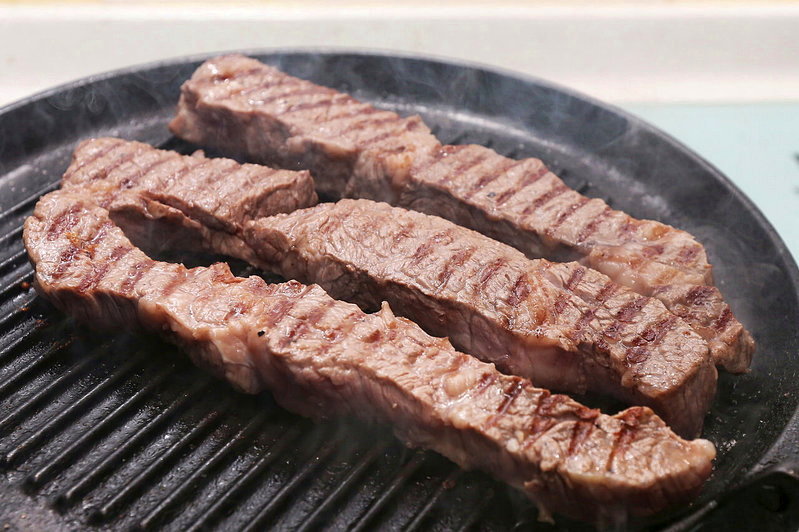
Fry until caramelized on the outside and juicy on the insidesteak Apart from the quality and heat of the meat, choosing the right cooking oil is also important. Lifestyle website “Southern Living” reported that frying steak requires high temperatures to create a golden and crispy skin. If you use oil with a low smoke point, the fat will burn easily, making the steak taste bitter, and can cause the kitchen to fill with oily smoke. Professional chefs recommend choosing oil with a smoke point of at least 204 °C (400 °F) to better render the flavor of the beef.
Southern LivingVisitboston Lambert Givens, executive chef of Hunter Kitchen & Bar in the South District. He says the choice of oil is important because the steak must be cooked at a high temperature to develop a dark brown outer layer. “Oil that can withstand high temperatures allows you to fry meat without burning it and without creating a bitter taste.”
Givens prefers canola or grape seed oil because they are widely used in restaurant kitchens and can withstand the heat of a hot pan without affecting the flavor of the beef. Refined avocado oil, regular vegetable oil, safflower seed oil, and peanut oil are also suitable for frying steak. These oils have a neutral flavor and can handle cooking at high temperatures.
If you want your steak to have more beef flavor, you can also use beef tallow. Beef fat can withstand the high temperatures required to cook a steak while adding flavor to the meat.
As for butter, the article reminds that frying steak in butter from the beginning is not recommended. Butter has a low smoke point, around 177 °C (350 °F). If added while roasting meat at high temperatures, it will burn easily. However, those who like the aroma of butter can still reduce the heat when the steak is almost ready, and then add butter to fry.
1. Choose the right cut and quality: Different cuts of steak have their own unique flavor and texture, and the choice depends on personal preference. Furthermore, the quality of the meat is also very important. It is recommended to choose steaks with evenly distributed oil to make the meat juicier and more delicious.
2. Let the steak come back to room temperature: Do not put the cold steak from the refrigerator directly into the pan, otherwise it will easily cause uneven cooking, and the outer layer will cook faster than the center. Letting the steak come to room temperature first will also help the seasonings penetrate the meat better.
3. Dry the surface of the steak: Use kitchen paper towels to blot moisture from the surface of the steak before placing it in the pan. If you skip this step, the steak will easily steam due to excessive moisture, instead of being fried to a crispy and flavorful skin.
4. Preheat the pan thoroughly: Heat the pan over high heat until the surface is hot and lightly smoking, then add a thin layer of cooking oil.
5. Season your steak: When using high-quality beef, seasoning doesn’t have to be overly complicated. Before adding to the pot, sprinkle with coarse sea salt or kosher salt and freshly ground black pepper to let the beef’s flavor fully emerge.