
AI summary
Summary of article:
Doctors recommend that elders consider the timing of chronic diseases and medication before exercising, choose moderate-intensity training for gravity-defying muscles, and use professional exercise prescription and trainers to help reduce the risk of injury.
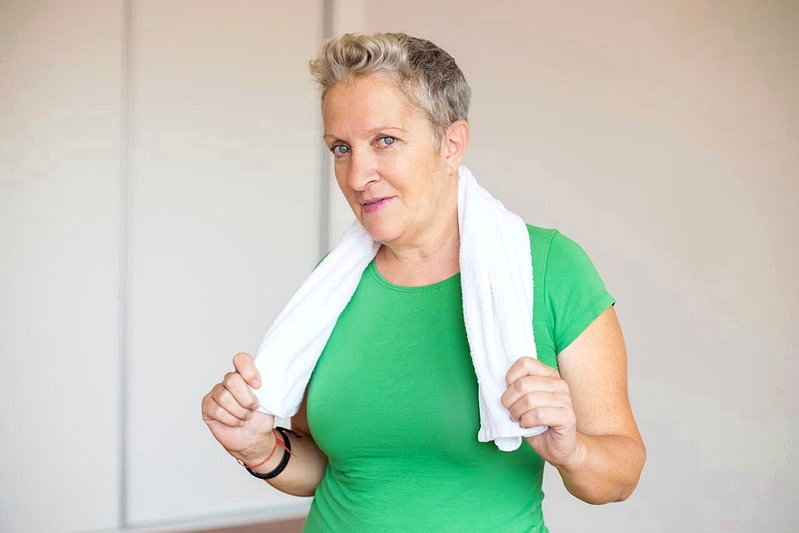
With the proliferation of ultra-aging societies and fitness trends, older people are beginning to entergym . But if you have chronic diseases or osteoarthritis, how can you avoid injury? Xu Hongzhi, attending physician at Chang Gung Memorial Hospital in Chiayi, Taiwan, explained that the timing of exercise should take into account the time of action of the drug. For training, it is recommended to train gravity-defying muscles such as the spine, thighs and calves first. Moderate-intensity exercise may help improve sarcopenia and osteoporosis. If you don’t know how to get started, you can also consult a doctor specialized in sports medicine to advise you about exercise.
Xu Hongzhi said that osteoporosis, sarcopenia,diabetes ,high blood pressure Osteoarthritis and other diseases, so the time of disease and drug effect should be considered when exercising. For example, osteoarthritis patients may have knee or back pain and may be afraid to exercise. However, this does not mean that they should not move due to pain. Instead, they should exercise at a time when painkillers are more effective. For example, after taking a pain reliever in the morning, the effect of the drug will occur between 10 and 12 in the morning, so you can take advantage of this time to exercise.
The same applies for patients with high blood pressure. They should take blood pressure medication before exercising to reduce the risk of increased blood pressure during exercise. They should also avoid holding their breath and applying excessive force during exercise. For example, they tend to hold their breath while exerting force during heavy training, which can lead to fluctuations in blood pressure. They should maintain normal breathing. Diabetic patients should pay special attention to hypoglycemia after taking the drug, so exercise should be avoided during the peak period of the drug’s effect. If insulin is injected into the thighs or abdomen, avoid training these areas immediately to accelerate insulin absorption and avoid inducing hypoglycemia.
In terms of exercise type, Xu Hongzhi suggested that the elderly should give priority to training anti-gravity muscle groups, including spine, thigh and calf muscles, and increase muscle strength and skeletal load through weight-lifting training. If you exercise in the gym, you can start training by lifting weights while standing and sitting. There is no need to do complex weight lifting or bench pressing in the beginning. At home, you can use elastic bands and squat training to strengthen the tibialis anterior muscle, and train leg muscles and balance ability through leg contraction exercises to reduce the risk of falling.
In terms of exercise frequency, the general “333 principle” for normal people is to exercise 3 times a week, 30 minutes each time, and the maximum heart rate is 130 beats. Xu Hongzhi said that for the elderly, the exercise heart rate can be about 110 beats per minute as a reference. Even if they can’t exercise for 30 minutes at a time, they can still start with 10 minutes at a time.
Xu Hongzhi pointed out that the exercise intensity of the elderly is mainly moderate intensity. If there is no way to monitor the heart rate, it can be judged through the “speaking test”, which is the intensity at which normal speech can be achieved even during exercise. If the intensity is so breathless that it is difficult to carry on a casual conversation, it may be too intense.
If elderly people go to the gym for training, how should they choose a trainer? Xu Hongzhi said that if you have a chronic disease and don’t know how to get started, you can first consult a doctor specializing in sports medicine. In his outpatient clinic, patients often ask him how to exercise, and he will write exercise prescriptions. Patients can hire a fitness coach to organize it. When looking for coaches, they may also give preference to those who have received sports medicine training.
Xu Hongzhi reminded that osteoporosis patients should avoid sudden and large-scale bending, excessive stretching or vigorous stretching, such as yoga, Pilates, etc., to avoid increasing the risk of injury. The important thing is to “break up prolonged sitting”, as long as you move, the benefits are there.
Summary FAQ
-
The most important thing is to evaluate the disease state and the timing of the drug’s effect, avoid exercising during periods of pain, blood pressure fluctuations or high risk of hypoglycemia, and arrange safe training opportunities according to the physician’s recommendations.
-
Anti-gravity muscle groups such as the spine, thighs and calves should be trained first, primarily with moderate-intensity weight-bearing training, to help increase muscle strength, improve sarcopenia and osteoporosis, and reduce the risk of falls.
-
You should avoid sudden and severe bending, excessive stretching, and forceful stretching. Improper execution of activities like yoga and Pilates can increase the risk of fractures or strains. Safety and stability should be your priority when exercising.