
AI summary
Summary of article:
The trade ceasefire agreement between the United States and China in Busan has once again caused trouble. The United States accused China of not fully meeting its commitments on rare earths and agricultural products and issued a warning. Beijing denied this. Before the APEC and G20 meetings, the atmosphere between the two sides became tense.
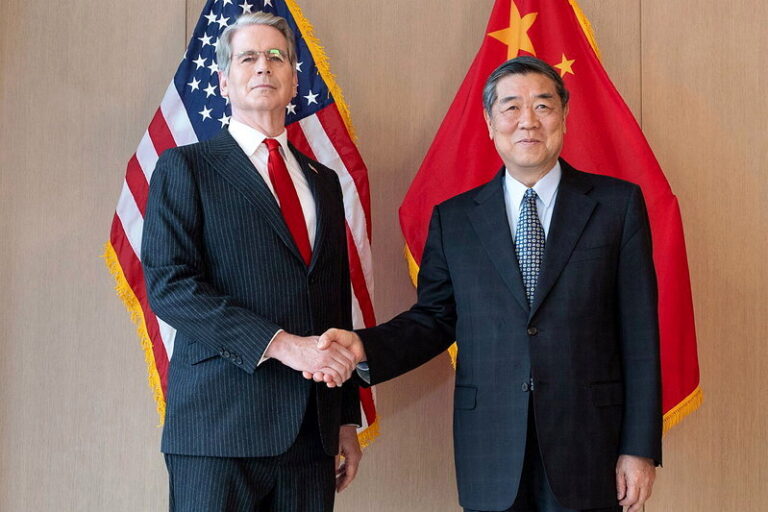
The Financial Times exclusively reported that US President Trump and Chinese PresidentXi Jinping An agreement on the trade war was reached in Busan, South Korea in October 2025, but Washington believes Beijing has not fully fulfilled it.rare earth and other product export commitments, and dissatisfaction with this is growing. US Treasury Secretary Besant and Trade Representative Greer, who is responsible for trade negotiations with the United States, met with China on the morning of the 6th.state Council Vice Prime Minister He Lifeng called and warned China that it would have to fulfill the agreement.
According to minutes of the call obtained by the Financial Times, the US Treasury Department said: “Secretary Besant stressed that it is important for China to promptly and fully implement the commitments made in Busan, and expressed concern about China’s recent actions.” The Treasury Department said: “He stressed that continued progress depends on specific outcomes, and the United States will closely evaluate China’s implementation of the agreement.”
A US official said Besant and Greer made it clear to China that Trump considered the matter a “priority” and that China must meet its commitments under the Busan Agreement. Greer said in a post
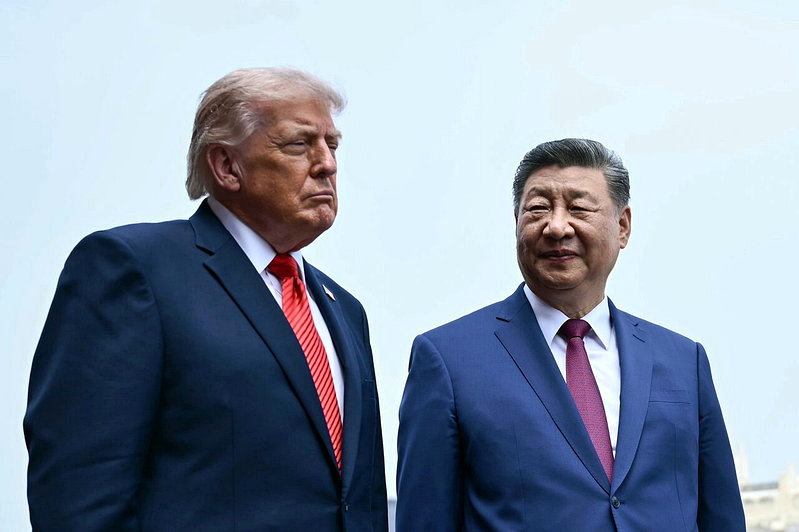
The warning from the United States comes less than two weeks before Trump and Xi Jinping are expected to meet at the Asia-Pacific Economic Cooperation (APEC) summit in Shenzhen. Trade is not expected to be a major topic in talks between Trump and Xi in Shenzhen, but there will certainly be more in-depth discussions when the two meet again at the Group of 20 (G20) summit in Miami in December. Besant and Greer are expected to meet in person with Chinese officials between the APEC and G20 summits.
The US-China trade ceasefire agreement will expire on January 10, 2027. When Xi Jinping visited Washington in September this year, the United States and China agreed to extend the original deadline by two months as negotiators from both sides failed to resolve their differences. US officials told the Financial Times in September that China had met only two-thirds of its Busan commitments on rare earths. Besant expressed concerns directly to He Lifeng in New York in September, before Xi Jinping went to Washington to meet Trump, but Beijing has not increased supplies of rare earths since then, a person familiar with the matter said.
China has denied US allegations that Beijing has failed to meet its rare earth commitments. The United States has determined that China has fulfilled its commitments to purchase soybeans, but has not fulfilled its commitments to purchase other agricultural products. The United States is also concerned about China’s restrictions on exports of yttrium (yttrium) to Japan. Yttrium is a major rare earth element used in jet engines, missiles, and other products. Japanese companies in the U.S. Yttrium produces components for use in manufactured products, and Japanese companies have warned the government that yttrium stocks are falling to dangerous levels.
Craig Singleton, an expert on US-China relations at the Foundation for Defense of Democracies (FDD), a think tank, said the warning issued by the US Treasury Department to Beijing was “pretty straightforward diplomatic language”. He said Washington appears unwilling to negotiate new concessions before China fulfills its existing commitments. “If both sides cannot even reach consensus on what they have previously promised each other, it may be more difficult to extend the ceasefire agreement.”
Summary FAQ
-
Washington believes that Beijing has not fully implemented its purchase commitments on rare earths, key minerals and some agricultural products following the Busan Agreement, and has made insufficient progress in rare earth supplies in particular. Therefore, Besant and Greer expressed concern and put pressure on China.
-
US Treasury Secretary Besant and Trade Representative Greer telephoned Ho Lifeng on the morning of the 6th and demanded that China immediately and fully implement the Busan Agreement, and stressed that continued progress depends on whether Beijing can produce concrete results.
-
Since the APEC and G20 summits will be held one after another, although both sides can postpone the formal showdown, if they cannot also focus on their previous commitments, it will be more difficult to extend the ceasefire agreement, and subsequent negotiations may also be hindered due to insufficient mutual trust.