
AI summary
Summary of article:
As Lula begins his fourth term, although Brazil’s economy is better than expected, high debt, high interest rates, private debt and a conservative Congress still pose serious challenges to fiscal and tax reforms.
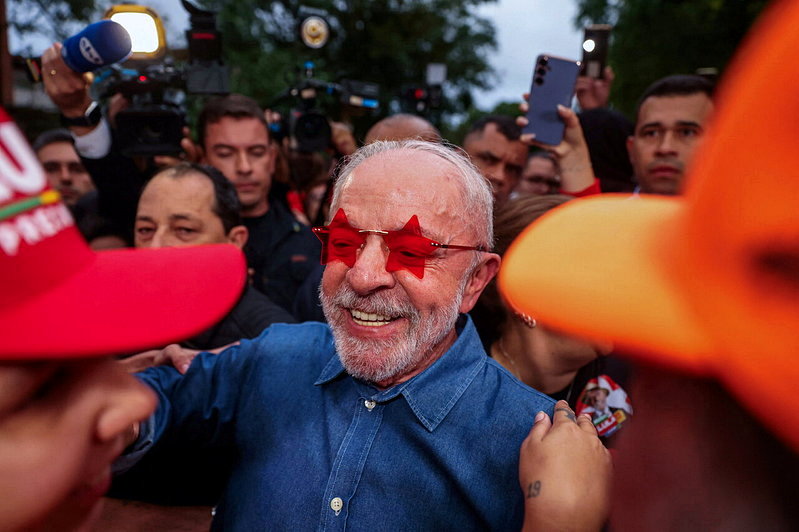
brazil The second round of the presidential election ended, with left-wing incumbent President Luiz Inácio Lula da Silva reversing his position and defeating far-right Senator Flávio.bolsonaro (Flavio Bolsonaro) will begin his fourth non-consecutive term in January next year. Brazil’s economic performance in recent years has at times been better than expected, with the unemployment rate falling to historic lows and wage growth exceeding inflation. However, debt, prices and highinterest rate The structural problems have not gone away. According to Reuters, Lula will have to face at least five major economic challenges in his new term.
During Lula’s current tenure, Brazil’s public debt has increased by more than 10 percentage points to more than 82% of GDP, increasing government financing costs. The problem is that mandatory spending has increased over the years, and currently less than 8% of the federal budget is flexible. On the one hand, Lula promised to maintain current fiscal rules, limit expenditure growth, and set basic revenue and expenditure targets. On the other hand, he also wants the minimum wage to increase more than inflation, and the pressure on social welfare and pension spending is still high.
Even with the benchmark interest rate as high as 13.75%, Brazil’s annual inflation rate of 4.6% is still slightly higher than the central bank’s tolerance range of 1.5% to 4.5%. Brazil’s central bank cut interest rates for the fifth consecutive time last month, but markets expect inflation to remain above the official 3% target until 2029. Lula hopes to rely on fiscal discipline instead of cutting interest rates without sacrificing social welfare, but most economists believe that if spending cannot be effectively reduced, it will be difficult to drop interest rates sharply.
High interest rates also impair personal credit. Credit research agency Serasa reported that approximately 84 million Brazilians and 9.3 million companies have overdue debts. This also explains why public dissatisfaction remains high despite low unemployment and rising wages. Lula plans to push for more debt relief, including obtaining distressed household loans from banks at a discount, but analysts believe such measures will provide only short-term relief.
Although Lula was successfully re-elected, voters also elected the most conservative Congress since Brazil’s democratization. Bolsonaro’s Liberal Party and its allies are expected to control both houses of Congress, making it more difficult for Lula to cut tax breaks, push fiscal reforms and appoint personnel to key institutions.
Brazil will pass a large-scale consumption tax reform in 2023, and the new value-added tax will be officially launched in January next year. However, the government has not yet announced the actual tax rate. Independent analysis estimates it could be around 28%. New taxes originally intended to be imposed on products harmful to health or the environment, such as tobacco and alcohol, have also been delayed due to the election, adding further uncertainty to the government’s future tax collection and implementation of the overall tax reform.
Summary FAQ
-
The most immediate pressure is the continued increase in public debt. Brazil’s public debt exceeds 82% of GDP. With a high proportion of mandatory expenditure, the government has extremely limited room to adjust its budget, making it more difficult to maintain fiscal discipline.
-
Although the benchmark interest rate is as high as 13.75%, inflation still exceeds the central bank’s tolerance limit. If spending cannot be reduced effectively, markets will be concerned about fiscal imbalances, which will limit the pace of interest rate cuts and inflation could remain high for a longer period of time.
-
The conservative Congress is expected to make it more difficult for Lula to cut tax incentives and promote fiscal reforms and personnel appointments. At the same time, although the new value-added tax will be launched next year, the tax rate has not been determined and the surcharge has been delayed, making its implementation full of uncertainty.