
AI summary
Summary of article:
Reuters analysis shows that China’s purchases of non-US soybean agricultural products are clearly lagging, and the US$17 billion commitment may be delayed; As demand weakens and international competition intensifies, exports of corn, sorghum and beef are under pressure.
Beijing’s agricultural purchase commitments in the US-China trade deal face a test of whether they can be met as scheduled. China’s purchases of US agricultural products other than soybeans have lagged significantly this year, and full-year import volumes may hit a seven-year low, highlighting the long-term uncertainty of the agreement, according to a Reuters analysis of Chinese customs data.
Americawhite House In May this year, China said it would agree to buy US$17 billion worth of US agricultural products every year from 2026. This year, the amount will be calculated on a pro-rata basis depending on the implementation of the agreement. These purchases are in addition to the commitment to buy US soybeans made in October last year.
However, Reuters analysis shows that China’s purchases of US agricultural products other than soybeans from January to September this year totaled only $7.2 billion, the first round of US-China purchases in 2019.trade war Lowest since the peak in the same period. In comparison, China’s current soybean procurement progress is expected to meet the target.
It is unclear whether Beijing has violated its commitments, as the White House has not yet clarified whether the $17 billion purchase target will begin with the announcement of the deal in May or wait until China makes offers.Tariff The tax cut plan will not be launched until it is officially finalized, and China has not yet finalized the tax cut plan.
The slow progress of Chinese purchases has also frustrated US farmers who are struggling to cope with higher fuel prices. This will help the Democratic Party gain votes from Trump and Republicans in agricultural states in the midterm elections. Rust, CEO of the National Sorghum Producers Association, said there are still large amounts of grain sitting in warehouses and soybean trade is continuing, but exports of other agricultural products are not ideal.
Analysts said that even if purchases increase, the US$17 billion trade target will be difficult to achieve due to weak Chinese demand and fierce competition in the international market, unless Beijing directs state-owned enterprises to a procurement policy.
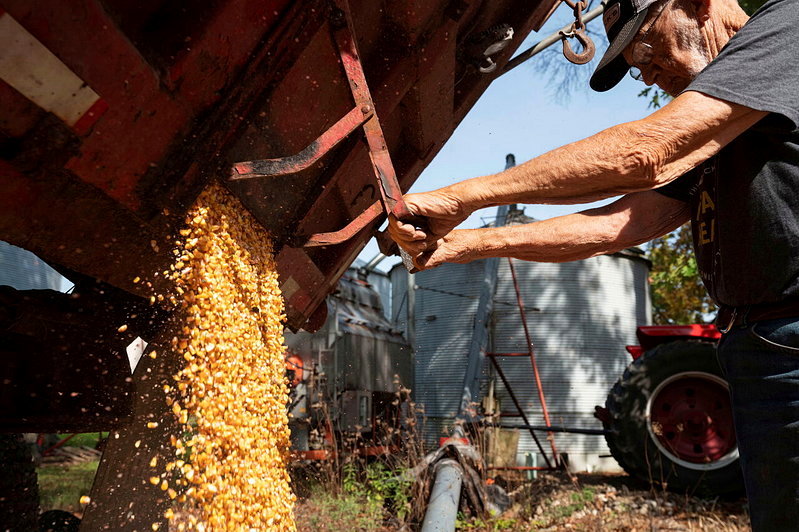
Taking corn as an example, China’s corn imports reached a peak of nearly 20 million metric tons in 2021, amounting to US$5.6 billion, but domestic supply is currently sufficient, leading to weak US corn demand. COFCO futures reported last month that US corn prices are not competitive enough. It is estimated that in the 2026/2027 marketing year (starting September), China will import only 900,000 metric tons of corn from the United States.
The sorghum market also faces challenges. US sorghum exports to China reached a peak of 6.5 million metric tons and a value of US$2.1 billion in 2021. However, since Brazil gained the qualification to export to China in September 2025, it has gradually become a competitor to the United States. Brazil has exported 1.7 million metric tons of sorghum to China so far this year and plans to export about 1 million metric tons more. Although the United States exported approximately 3.7 million metric tons by the end of August, a significant increase compared with the same period last year, sales have declined significantly over the past four months.
In addition, US beef exports are also subject to Chinese regulatory restrictions. Although China re-issued export licenses to more than 400 US beef processing plants in May, the American Meat Export Association reported that about half of US beef cattle slaughter capacity is still ineligible for export to China.
Summary FAQ
-
China’s purchases of agricultural products other than U.S. soybeans have lagged significantly this year, buying only US$7.2 billion from January to September, according to a Reuters analysis. If there is no significant acceleration in follow-up, annual import volumes could reach a seven-year low, and the US$17 billion commitment could also be delayed.
-
The main thing is that the White House has not yet said whether the US$17 billion target will be calculated from the time the agreement was announced in May this year, or whether it will start calculating after China’s tax cut plan is officially finalized, and the relevant tax cut plan has not yet been finalized.
-
Corn demand is weak due to a lack of adequate domestic supply in China and price competitiveness in the United States; Sorghum faces competition from Brazil after qualifying for the Chinese market; Beef is affected by export licensing and regulatory restrictions, resulting in procurement progress being lower than expected.