
AI summary
Summary of article:
A 52-year-old woman from Hsinchu was suffering from hot flashes, night sweats and insomnia due to menopause. Her symptoms were relieved after 2 months of treatment with traditional Chinese medicine to soothe the liver and relieve stagnation, nourish the yin, and nourish the kidneys. The doctor also reminded that the discomfort can be improved through work, rest, exercise, and diet.
A 52-year-old female patient in Hsinchu, Taiwan had irregular menstrual periods the previous year, and her body was often hot and dry, resulting in unstable sleep, fatigue, and irritability during the day. She suspected it was caused by menopause. She went to the Department of Traditional Chinese Medicine of Hsinchu Affiliated Hospital of China Medical University for treatment. Doctor Chen Ting Ni’s diagnosis revealed that the patient would experience hot flashes and night sweats at night, which would disrupt her sleep, and would also be accompanied by symptoms such as prolonged menstrual cycles, dry mouth, and frequent urination at night. He had actually entered menopause. After two months of traditional Chinese medicine conditioning, menopausal symptoms subsided and her physical and mental conditions became relatively comfortable.
Chen Tingni said that menopause in women begins between the ages of 45 and 50. Apart from irregular menstruation, common symptoms may include hot flashes, night sweats, poor sleep quality, mood swings, fatigue, weight gain, etc. The main reason is the decline in ovarian function, resulting in reduced secretion of female hormones. From the perspective of traditional Chinese medicine, hormone deficiency in menopausal women is a deficiency of nutrients in the body.
Chen Tingni pointed out that during menopause, women’s bodies are in an unbalanced state of “insufficient yin”. They are also experiencing emotional stress, such as work or children leaving home, which leads to stagnation of Liver Qi. Therefore, the most common physical condition is deficiency of yin in the liver and kidneys with heat. The type of actual syndrome will vary depending on each person’s physical structure, age, lifestyle, and eating habits, and should be diagnosed by a traditional Chinese medicine practitioner.
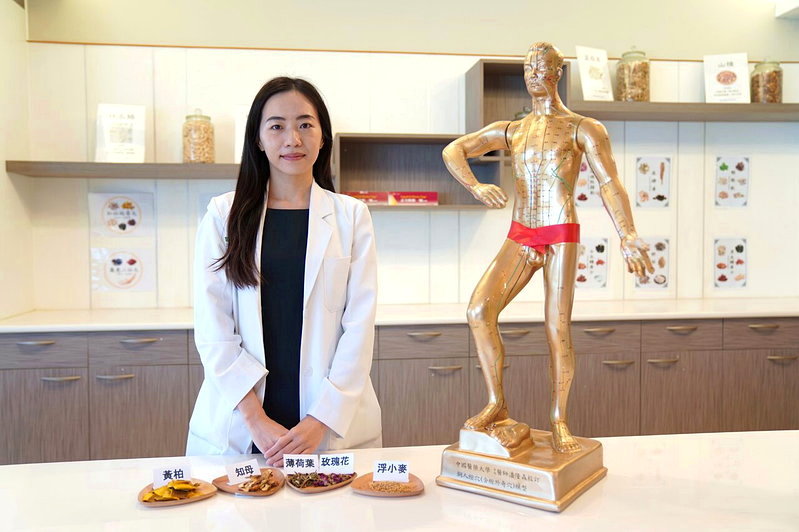
The female patient was treated with a prescription that soothes the liver, relieves stagnation, nourishes yin, and nourishes the kidneys. When symptoms are more pronounced in the early stages, medicinal herbs such as Phellodendron cypress, Anemrena, Albizzia julibrissin and Flos wheat can be used to calm the nerves and stabilize mood and aid sleep. After the symptoms are relieved, you can switch to Yiguanjian and other prescriptions to soothe the liver and nourish yin to maintain a stable state.
Chen Tingni suggested that patients who are in menopause or about to enter menopause should do steady work and rest and regular exercise to reduce the risk.insomnia and prevent osteoporosis; The daily diet can be supplemented with appropriate amounts of foods that are dark in color and have flattening or cooling properties, such as black beans, yams, black fungus, etc., which can help improve the symptoms of hot flashes; People who suffer from stress can prepare mint leaves or dried rosehips, soak them in warm water and drink, which can soothe the liver, regulate qi, soothe mood and help sleep.
Chen Tingni said that menopause is not a disease, but a natural change in physical stages. TCM can help, through syndrome differentiation, balanced diet and regular exercise, to face physical and mental changes with more stability and comfort. It is recommended that when symptoms affect quality of life, professional medical attention should be sought as soon as possible.
Summary FAQ
-
Her menstrual cycle in the previous year was irregular, and there was often unstable sleep, fatigue, and irritability during the day due to body heat. She also suffered from hot flashes, night sweats and frequent urination at night. She suspected it was caused by menopause, so she sought treatment at the hospital’s traditional Chinese medicine department.
-
The doctor believed that she was suffering from yin deficiency in the liver and kidneys accompanied by heat, and the treatment was mainly to soothe the liver and relieve stagnation, nourish the yin, and nourish the kidneys. In the early stage, she used cork bark, anemrena, albizia bark, and floating wheat to stabilize her mood and sleep, and then switched to Yiguijian for maintenance.
-
Maintaining a stable work and rest schedule and exercising regularly are recommended to reduce insomnia and prevent osteoporosis. You can supplement your diet with moderate or cold foods such as black beans, yams and black fungus. If you feel nervous, you can also drink mint or rose tea.