
AI focus
Summary of article:
- Main point one:The Education Ministry issued guidelines saying that teachers should have the right to remain offline during non-attendance time.
- Point 2:The guidelines list illegal intrusions such as intense contact between parents and yelling and insults.
- Key point three:Teacher groups have criticized the guidelines because they have no legal effect and could leave schools in limbo.
Teachers hope that after being off from work, they will no longer be bombarded with messages from parents and official work.Ministry of Education Yesterday evening, the “Guidelines for the Prevention of Illegal Violations in the Workplace of Schools and Educational Care Service Institutions at All Levels” was unexpectedly issued, which clearly stated that schools should implement teachers’ “offline rights” during non-attendance time and listed the types of illegal violations in the workplace. However, the teachers group believes that the guidelines are merely administrative guidance, which is not only non-binding, but may also make the case masters who are not inside and outside the school, such as public ministers.
The Ministry of Education yesterday issued the “Guidelines for the Prevention of Unlawful Violations in the Workplace of Schools and Educational Service Institutions at All Levels”, which covers teachers’ “right to be offline” and stipulates that schools should implement the protection of teachers’ right to be offline during non-attendance hours. Except when it involves campus security, major emergencies, emergency disaster response or other urgent official duties, they should avoid delegating business or conducting parent-teacher communications during non-attendance hours.
The Education Ministry has also listed illegal violations in the workplace. These include “Requests made by parents, students or third parties lack legality and persist after being refused”, and “The material requested by parents, students or third parties is lawful, but the means or method may be illegal.” Illegal behaviors include excessive and prolonged harsh yelling, insults, or berating of faculty and staff; Intensive or continuous phone calls and messages to faculty and staff, failing to allow proper verification and processing time, making the same requests repeatedly, etc.
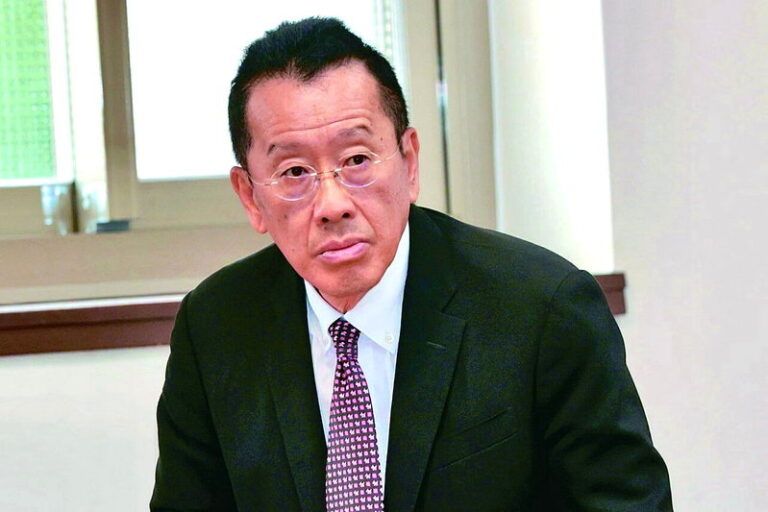
However, Ye Mingzheng, vice president of the Taiwan Education Industry, said that the labor union does not believe in the effectiveness of the guidelines, and that it may also stir up trouble and become a tool for teachers and teachers to confront each other. This is because the guidelines are merely administrative guidance without any concrete legal constraints. Considering that today parents continue to contact teachers during non-working hours, teachers can complain to the school, but it is difficult for schools to adequately investigate parents. Conversely, parents may come back to complain against teachers.
Ye Mingzheng gave an example. Many European countries have protections for offline rights. For example, Spain and France have direct legislation. Some countries do not have laws, but they do have strong trade unions and may provide protection through group agreements. But unlike Taiwan, schools require the signing of an official document. Not only is it non-binding, but it can also subject people inside and outside the school, including ministers, to the subject. Teachers need a legally binding mechanism, otherwise it would be impossible to protect teachers.
General principles of education recommend that teachers perform their duties in accordance with the law and should have more specific school support and protection mechanisms. Guidance still lacks specific procedures for how schools should provide support when teachers experience parental pressure, unfair complaints or retaliatory allegations.
The National Federation of Education suggested that it should be made clear that schools should actively assist teachers in clarifying the facts and provide necessary legal consultation and administrative support, and that teachers should not be required to endure unreasonable explanations, apologies or other counterproductive measures because they receive complaints or reports.
Summary FAQ
-
The Education Ministry requires schools to enforce the right of teachers to remain offline during non-attendance hours. In theory, they should avoid conducting business or communicating with teachers after leave from work, unless it involves campus security, major emergency, emergency disaster response, or other urgent official duties.
-
The guidelines note that continuing to make inappropriate requests, or engaging in legitimate but inappropriate behavior may be a violation, including prolonged insults, intense phone calls and messages, and making the same request repeatedly without allowing reasonable time for processing.
-
Both the Taiwan Education Industry and the National Federation of Education believe that the guidelines are administrative guidance only and have no legal force. It is difficult for schools to actually regulate parental behavior. If teachers complain after harassment, it may also lead to a counter-complaint from parents, putting the school in a dilemma.