
AI summary
Summary of article:
Politico reported that the United States is pressuring Lithuania to ease transportation restrictions on Belarusian potash fertilizer to reduce fertilizer costs. However, EU sanctions, Ukraine’s stance and political risks have made the matter fraught with controversy.
It is rumored that the Trump administration in the United States is applying pressurelithuania hope to restEuropean Union Correctbelarus The sanctions have allowed Belarusian potash to be exported through Baltic ports to reduce fertilizer costs for American farmers. However, Lithuania has long supported Ukraine, and European officials are also concerned that easing sanctions could strengthen the power of Belarusian President Alexander Lukashenko.
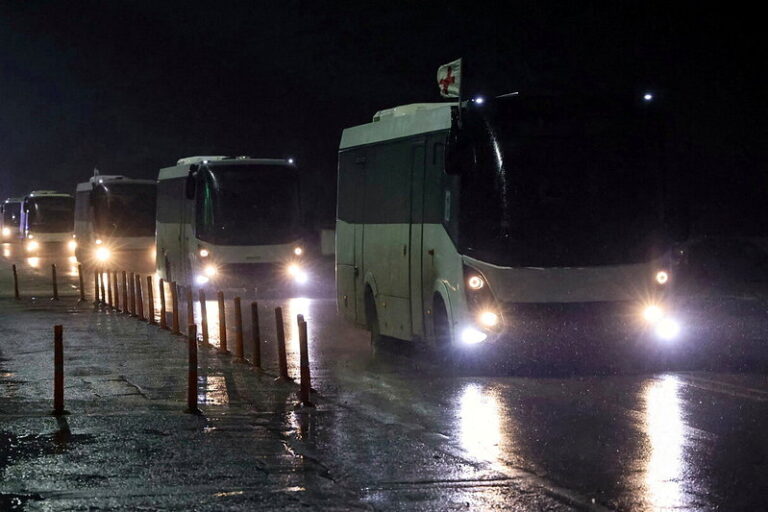
Politico political news network reported that four European officials revealed that US special envoy to Belarus John Cooley has contacted Lithuanian diplomats in recent weeks to explore the possibility of relaxing restrictions on Belarusian cargo transportation. The United States hopes that Belarusian potash fertilizer can be shipped to the global market through the Lithuanian port of Klaipėda or other ports in the Baltic Sea region.
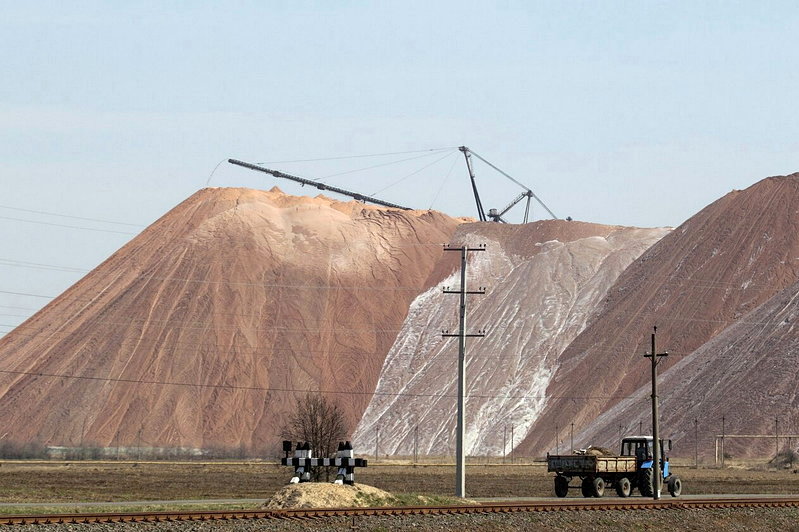
Belarus is the world’s leading potash fertilizer supplier, accounting for about 20% of the global market. The United States is currently almost entirely dependent on imported potassium fertilizer, about 80% of which comes from Canada. U.S.-Canada trade talks broke down in August and both sides subsequently raised tariffs on each other, forcing the Trump administration to look for other sources of supply.
According to reports, Trump said last month that he was negotiating a major deal with Belarus, hoping to get potassium fertilizer at a lower price than what it currently buys from Canadian companies. US State Department officials said the United States will seek business opportunities that are consistent with US economic interests and will frequently discuss relevant possibilities with allies and partners.
However, Belarusian potash exports are currently restricted by EU sanctions. Following the 2020 presidential election in Belarus, 27 EU member states decided to impose relevant sanctions because they determined that the election was unfair and that authorities suppressed peaceful protests. After Russia launched a full-scale invasion of Ukraine in 2022 and Belarus aided Russia in the fight, the United States and Europe further tightened sanctions.
The report notes that all EU member states must unanimously agree to lift Belarusian potash transport restrictions. Lithuania will take over the EU presidency early next year and could in principle use its veto power to invalidate the sanctions if they are extended in February next year. However, Lithuania is one of the EU countries that strongly supports Ukraine. Whether it cooperates with the US request could give rise to domestic political disputes.
The Eastern European official told POLITICO that the United States is continuing to apply pressure, but the official stressed that their response is “absolutely not.” Another European official questioned whether there is sufficient market demand for Belarusian potash fertilizer given Canada’s dominant position in the global potash fertilizer market.
European officials are also concerned that easing sanctions on Belarus could boost Belarusian President Alexander Lukashenko’s international reputation and give him more leeway to continue jailing political dissidents.
The United States began lifting some of its sanctions on Belarus in March this year, including measures against the state-owned Belarusian Potash Company, a move presented as a way to help reduce fertilizer costs for American farmers. Earlier, Kohl had brokered the release of 250 political prisoners in Belarus, and Washington had partially eased sanctions on Belarus.
Summary FAQ
-
The United States hopes that Belarusian potash fertilizer can enter the global market through Klaipėda and other Baltic ports to increase supply sources, reduce dependence on Canada, and reduce fertilizer costs faced by American farmers.
-
European officials are concerned that lifting the ban on Belarusian potash fertilizers would indirectly lead to an easing of overall sanctions on Belarus, which could enhance Lukashenko’s international standing and give him more room to suppress dissidents.
-
Lithuania is not only a staunch supporter of Ukraine in the EU, but it will also take over the rotating presidency starting early next year. In theory, when restrictions are increased it could affect the outcome; However, domestic political controversy may still arise over whether it supports cooperation with US demands.