
AI focus
Summary of article:
- Main point one:Use existing ingredients in the refrigerator first to avoid duplication of purchases and wastage.
- Point 2:Combine it with inexpensive ingredients like tofu and bean sprouts to increase volume and fill you up.
- Key point three:Choose versatile ingredients and simple recipes to ease the burden of cooking.
Many people cook their own food to save money, but find that their food expenses do not go down as much as expected. In fact, cooking yourself does not necessarily save on food expenses. Japanese media “Thank you!” Frugal Housewife author Harasu shares 5 smart tips. As long as you master the right shopping and cooking strategies, you can balance the needs of health, deliciousness, and savings.
Harasu, a writer and housewife whose monthly food expenses for a family of four do not exceed 40,000 yen (about US$250), explained that if she wanted to organize her family’s expenses by cooking herself, she would have to keep in mind the two main principles of “not wasting ingredients” and “not forcing it to last a long time.” Here are 5 practical and smart tips he shared:
Before going out to buy food, you should first check the refrigerator and pantry, change the way of thinking from “what do you want to eat today” to “how to use existing ingredients”. Prioritize the use of opened, almost expired or leftover ingredients and make up for any shortages, which can significantly reduce food wastage and unnecessary expenses.
If you reduce the amount of meat or fish, you will easily eat too many snacks because your stomach is not full. You can also add inexpensive ingredients like tofu, eggs, bean sprouts, enoki mushrooms or steamed soybeans to create a dish that is “cheap in overall cost and filling.”
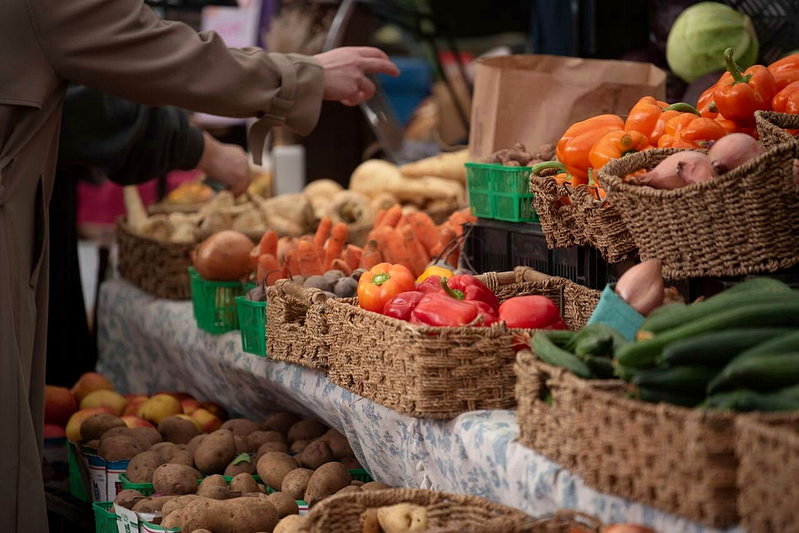
When purchasing ingredients, you should consider “what you can cook with leftovers.” Give priority to purchasing onions, carrots, potatoes, cabbage, pork slices, chicken breasts, tofu and other versatile ingredients to reduce the amount of ingredients thrown away due to unused ingredients and avoid unnecessary expenses.
There is no need to insist on eating one soup and three dishes for every meal. As long as you prepare dishes rich in vegetables and protein (like hot pot), you will remain full and healthy. It can also save time on cooking and cleaning and prevent you from eating out because you get tired of cooking.
Make a list of minimal meals with simple steps in advance and keep them on the refrigerator so that you can prepare them easily on days when you don’t feel like cooking. Divide days between “cooking seriously” and “cooking casually,” and loosen up the rhythm a bit, so cooking doesn’t become a burden. There is no need to forcefully expand the menu. Saving some more home-made recipes that can be made with your eyes closed will help you maintain your cooking habit.