
AI summary
Summary of article:
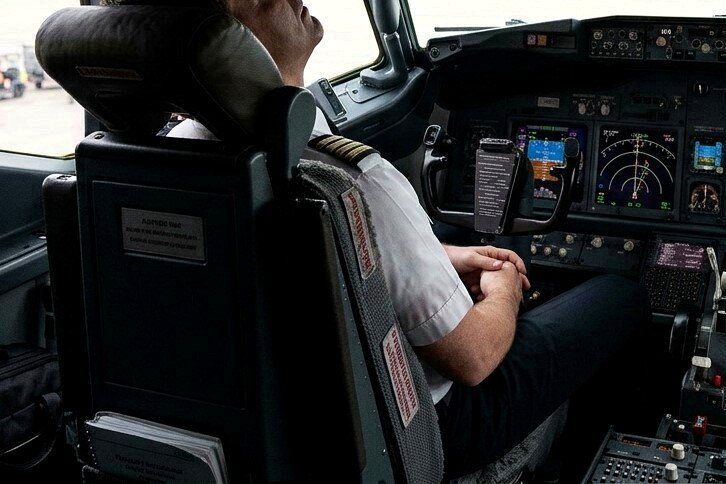
The problem of fatigue among European pilots is becoming increasingly acute. Surveys show that most of them have experienced microsleep during flight and are afraid to report it for fear of punishment. Security risks have triggered warnings.
The latest survey from the European Cockpit Association (ECA) found that 76.8% of pilots surveyed had taken at least one unintentional nap while flying a plane in the past four weeks, and almost a quarter decided to go on duty even though they felt clearly tired and unfit to fly. Additionally, 38.2% of pilots were concerned that reporting fatigue would lead to punishment or retaliation from management.
The ECA released its latest survey report on October 26, which interviewed 7,200 pilots from 32 countries, People magazine reported. The results revealed that 76.8% of respondents had at least some sleep while operating an aircraft within the four weeks prior to the survey, highlighting the widespread problem of pilot fatigue.
The National Sleep Foundation explains that microsleep is a short sleep stage that lasts a few seconds. When this happens, the person may appear to be awake or even have their eyes open, but the brain is not able to process information normally. This condition is often associated with severe sleep deprivation, excessive daytime sleepiness, or an underlying sleep disorder, and is especially dangerous for those who drive or fly aircraft.
The survey also found that 38.8% of pilots said they often or never got enough rest to avoid cumulative fatigue. The state of fatigue reporting is also a matter of concern. Only 37.2% of respondents said they would report when they felt tired or unfit for duty; Another 24.2% said that still, they would not report and would continue flying.
Fear of punishment or management retaliation is a significant barrier to reluctance to report. The survey revealed that 38.2% of pilots were afraid of being punished or treated adversely after submitting a fatigue report.
The ECA said airlines’ fatigue risk management had not improved significantly since the last relevant report in 2023. ECA President Captain Tanja Harter said in a statement: “If we take seriously the safety risks posed by pilot fatigue, the data in this report, and the lack of substantial improvements over the past three years, are a clear warning to airlines, authorities and the European Union Aviation Safety Agency (EASA) that Europe must change the way it tackles pilot fatigue.”
Summary FAQ
-
The survey reported that fatigue is quite common among European pilots, with 76.8% of respondents having unintentionally dozed off while driving in the past four weeks, indicating that short sleep has become a clear flight safety concern.
-
One reason for this is fear of consequences. 38.2% of pilots are worried that they will be punished, retaliated against, or treated unfavorably after submitting a fatigue report, so they choose to remain silent or even continue on duty.
-
The ECA said there has been little improvement in fatigue risk management since 2023 and called on airlines, regulatory authorities and EASA to confront the problem and set up a safe and non-disciplinary notification system.