
AI summary
Summary of article:
AI short dramas are moving from refreshing routines to literary and artistic creations, emphasizing picture aesthetics, emotional presentation and story depth, through new themes such as costume sadomasochism, Chinese fantasy and workplace realism.
Traditional micro-miniature dramas have long attracted audiences with their fast pace, strong conflict, and counter-plot. However, with the emergence of a large number of similar routines, some viewers have begun to suffer from aesthetic fatigue. In 2026, AI short dramas are trying to break out of the traffic-first creative framework, ranging from Chinese costume sadomasochism, fantasy tragedy, to contemporary workplace realism. They now strive not only for visual stimulation and plot reversal, but also to explore picture aesthetics, narrative depth, and emotional expression. This change is like a “renaissance” of AI skits.
Works such as “Book of Monsters. Asking the Common People” and “Green Plums by the Inkstone” have previously been published on Station B and.Tik Tok Attracting attention, recent works such as “Sang Nian Ferry”, “Su Xue Returns” and “Ledoff Girl” have also triggered discussion because of the different themes and visual styles, which shows the potential of AI short dramas not limited to fantasy, romance and quiet dramas.
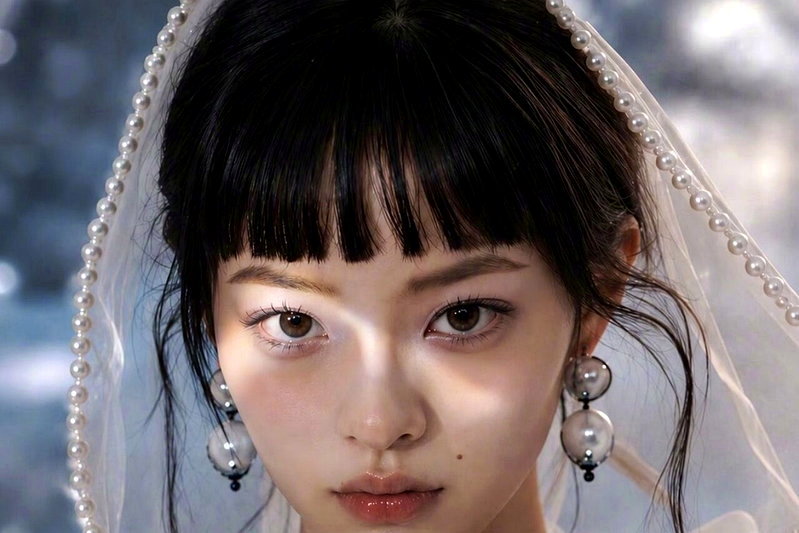
“Song Nian Du Shen Zhou” focuses on sadomasochism in ancient costumes. Through Chinese classical aesthetics and delicate lights and shadows, it presents the love and hate of male and female heroes entwined under the influence of fate. The work uses AI-generated character images and scenes, focusing on the eyes, subtle expressions, and emotional changes between characters, trying to break the limitations of past AI images that suffer from rigid expressions and inadequate emotions.
Compared with traditional plays that advance the plot through intense vicissitudes, the play pays more attention to emotional detail and creates a sense of destiny through depression, temptation, and regret. Its picture style and narrative rhythm have attracted the attention of some audiences, and also shows that AI short dramas are beginning to try to move from visual spectacle to emotional expression.
“Su Zu Gui Li”, which also follows the Chinese aesthetic path, takes the love between the male and female protagonists spanning three lifetimes as the main axis, describing waiting, regret and passion in the flow of time and space. The work uses ink tones, dark images and ethereal scenes to create a fantasy atmosphere with a strange and strange color.
Different from the usual counter-attacks and face-to-face slapstick routines, this work focuses on the characters’ emotional choices and fateful dilemmas, conveying a sense of tragedy through the storyboard and image rhythm. Its creative direction shows that in addition to creating excellent illustrations, AI tools can also become a medium for writers to present their literary imagination and personal style.
Compared with the previous two costume works, “Lady of Girls” brings the story back to the contemporary city, focusing on the workplace difficulties faced by women amid a wave of layoffs at Internet companies. After the heroine suddenly loses her job, she not only has to face the pressure of life, but also has to reconsider her values and future direction, and find the possibility of starting over amid setbacks.
Through cold-blooded urban images and character situations, the work presents the anxiety, identity crisis, and self-reconstruction caused by unemployment. This type of subject matter breaks the usual costume fantasy and love framework of AI short dramas, and also gives AI images the opportunity to carry social issues that are closer to reality.