
AI summary
Summary of article:
Chinese people in the Bay Area of California shared the results of potted Fiji fruit. A one gallon plant turned into a large fruit in a year. Diversity, pollination, moisture and harvesting and conservation were also the focus of discussion.
California Which fruit trees are suitable for Bay Area backyards, often localSugar Topic of discussion. Onelittle red book Netizen “kfylucky” recently shared the results of growing Fiji fruit, describing it as evergreen all year round, growing fast, and with no obvious pests or diseases so far. He purchased a 1-gallon plant in October last year. In just one year, it has grown to a 15-gallon tree, and its branches are loaded with fruit. Many netizens have asked about the variety, price and cultivation methods.
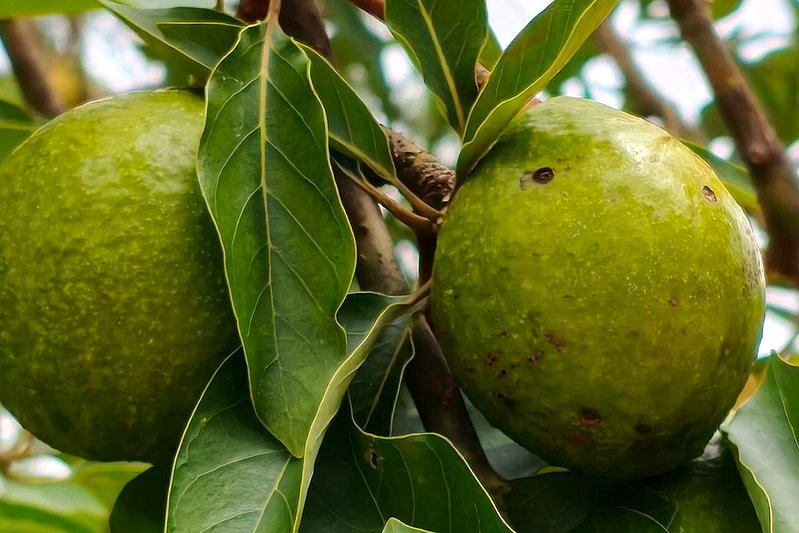
“Kafilaki” grows the New Zealand selected variety “Kateeri”, which focuses on early ripening and large fruits. Looking at the results they shared, the size of the fruit is about 2 to 3 times the size of an egg. When ripe, it has a refreshing flavor similar to pineapple and kiwi fruit, and the pulp is sweet and sour with a distinctive aroma. Apart from eating it directly, she will also add some capsules when making comprehensive juice to add a special fruit aroma.
At present, this tree from Fiji is still grown in pots, and it successfully bore fruit in the first year, which surprised even “kefilaki”. He said that if fruit trees want to grow big and sweet fruits then they should not be watered too little. There is a danger of the fruits of plants growing in some netizens’ homes falling. They also speculated that it may be related to insufficient watering, but not excessive fertilization. Although Fiji fruit is evergreen all year round, it does not bear fruit all year round, and the main production season is still concentrated in autumn.
In terms of shopping, “kfylucky” recommends One Green World Nursery, an online nursery. This nursery is located in Oregon. Special varieties can be ordered online. One gallon of seedlings costs about US$45. The plants are healthy and packed with great care. After seeing the selling price, some Nanwan netizens even agreed to place an order together to share the shipping cost.
As for the Fiji Fruits sold at Home Depot, leave a message reminding you to confirm the label to determine whether it is a food variety or a landscape variety. Although some green varieties will produce fruit, the fruits are small and have poor flavor. “Kafilaki” also has its own common variety, and the fruit is only one-third of the category. Therefore, selection of varieties is an important key to influence taste and yield.
Pollination issues are also a concern. Usually it is recommended to plant two different varieties for cross-pollination, but “Kefilaki” has planted only one plant at home, and it still bears fruit successfully. As to whether squirrels and birds will compete for food, she said her own fruit is currently one of the few they do not touch; However, other growers point out that wild animals may still eat them, and it is best to harvest them in the morning and evening during the ripe season.
After seeing the results, many netizens called them “planted grass” and planned to buy potted plants or put them on the balcony. However, some warn that ripe fruits do not last long and while they are abundant there are often too few to eat. It is best to eat or share them as soon as possible after harvesting.
Summary FAQ
-
She grows Kateri, a selected New Zealand variety, which focuses on early ripening and large fruit. The fruits are about 2 to 3 times larger than the eggs. When ripe, they have a refreshing flavor like pineapple and kiwi.
-
He purchased a 1-gallon plant in October last year. A year later, it had grown to a 15-gallon tree and began bearing fruit successfully. It is evergreen all year round and has no obvious pests or diseases, which attracts many netizens to ask.
-
The focus of discussion included variety selection, the need for cross-pollination, water and fertilization management and how long the fruit should be stored after ripening; He also reminded that food varieties are very different from landscape varieties.