
AI summary
Summary of article:
AI helped security researchers discover major vulnerabilities in PHP that were hidden for years and patched them immediately. However, the disclosure of patch information made it easier for hackers to use AI to expand attacks, and websites around the world were under pressure to update and go offline.
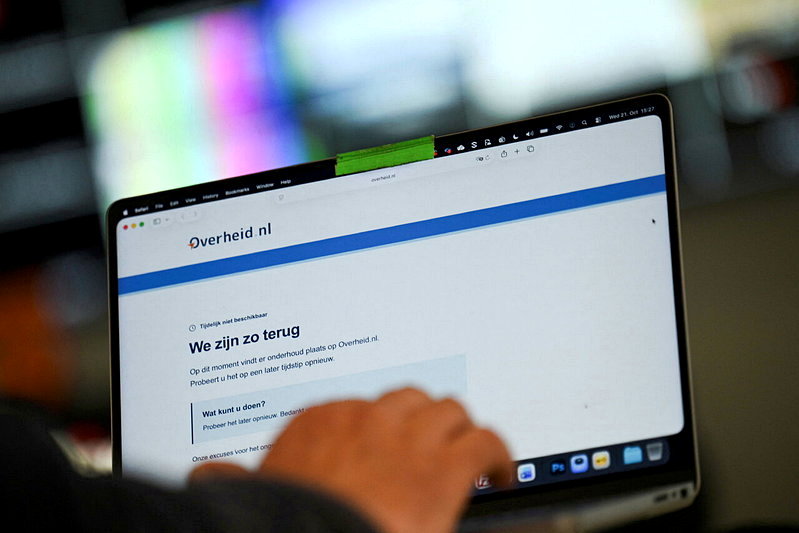
Cybersecurity researchers use artificial intelligence (Aye ), it was discovered that the PHP programming language, which is widely used for website operations, has a major vulnerability that has been hidden for many years. The developers immediately released a patch on the 21st, urging users to update immediately. Website operators around the world took protective measures and government websites in Europe and other regions went temporarily offline as a result.
Reuters reported that PHP is free open source software run by volunteers. It was introduced in the early 1990s and was originally named “Personal Home Page”. PHP is widely used in websites like WordPress, Drupal, Joomla, and Magento. When a visitor loads a web page, a server running PHP gathers the web page content and sends it to the browser.
Cybersecurity companies Wiz of California and Alphabet, respectively, said they used AI to detect PHP vulnerabilities. Among them, California discovered the vulnerability as early as August 1 and has continued to develop patches since then. Both companies said they coordinated with each other, the PHP team, and OpenAI on the discovery of the vulnerability. Viz reported that these vulnerabilities have been hidden in the PHP code base for more than 10 years. In the past, humanshacker It is extremely complex to exploit. Viz wrote in the article: “Before the advent of AI, this type of manual work was difficult to do and even harder to scale. With AI, this is no longer a barrier.”
According to data from W3Techs, a website technology tracking organization, about 75% of websites that can identify the programming language used use PHP. Major weaknesses can cause widespread chain effects. Amazon’s security chief, CJ Moses, posted on his blog on the evening of the 21st that the security team found someone trying to exploit the vulnerability to attack the “honeypot” system, four days before the vulnerability was made public on the 17th, which was used as bait.
Moses reported that the attack came from an unknown Internet address, indicating that it may be the work of a threat actor, but it is unclear how the other party became aware of the vulnerability before information about the vulnerability became public. Before the vulnerability information was officially released on the 21st, an attack was attempted several times. Amazon said it was unclear whether the attacks could successfully compromise real websites, but the vulnerabilities “are now widely exploited in real-world online environments.”
The White House said in a statement that it was notified of the vulnerability on the 16th. The Prime Minister of the Netherlands said he was paying close attention to the situation, and Japanese Prime Minister Sanae Takachi posted a message on Twitter, asking website owners to “check whether running websites use PHP and be prepared to install new patches.”
According to Internet intelligence company Sensis, about 1.5 million of the 2.6 million hosts are using versions of PHP for which no patches are available. Global cybersecurity agencies have urged PHP users to update immediately or take their websites offline before installing the patch. Government agencies across Europe are taking precautions as technology companies warn that some hackers have begun exploiting the vulnerabilities.
Experts warn that once the patch is made public, AI tools could easily reverse engineer the vulnerability, and hackers are trying to launch attacks before websites are updated, potentially triggering a wave of intrusions. Costin Raiu, co-founder of cybersecurity research and incident response company TLP:Black, said AI is driving a “race to exploit vulnerabilities”, and the next step could be “massive infiltration of all vulnerable web servers on the Internet”.
Summary FAQ
-
This vulnerability has been hidden in the PHP code library for more than 10 years, and PHP is widely used in a large number of websites and content management systems, with widespread impact. There were signs of actual attacks before the patch, and some government websites went offline or took protective measures as a result.
-
Information security companies California and Alphabet’s Wizz both said they used AI to find vulnerabilities. They coordinated with each other and also worked with the PHP team and OpenAI to promote the repair. California has continued to develop the patch since its discovery on August 1.
-
Because AI makes vulnerabilities that in the past were difficult to manually analyze and exploit become easier to reverse engineer and attack automatically. Once a patch is made public, hackers can immediately copy the exploit, potentially triggering a wave of massive intrusions.