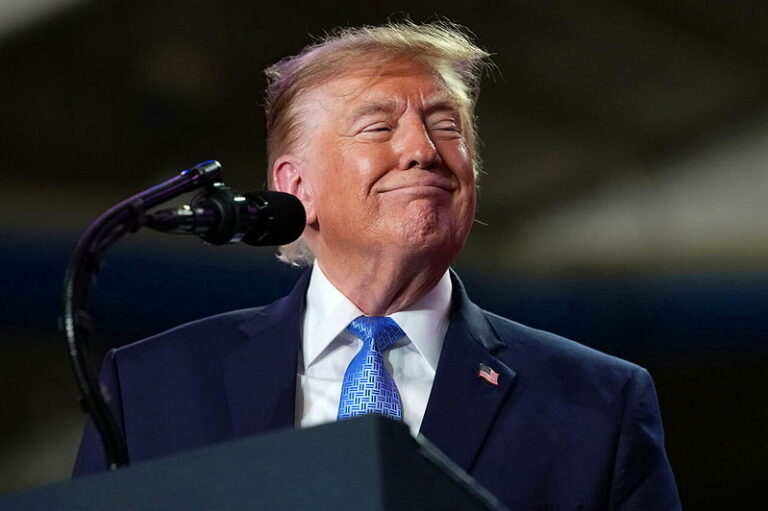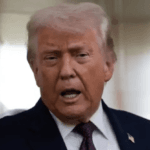


US President Donald Trump has drawn sharp criticism from NATO allies after remarks suggesting that allied troops, including those from the United Kingdom, avoided front-line combat during the war in Afghanistan. The comments, made during a recent media interview, triggered strong reactions across Europe and reignited debate over Washington’s relationship with its long-standing military partners.
Speaking to Fox News on January 22, Trump questioned the necessity of NATO for the United States, stating that the country “never really needs” the alliance. He claimed that while allied nations often pledged troops to missions such as Afghanistan, those forces allegedly stayed away from the most dangerous combat zones. His remarks were quickly picked up by international media and drew widespread condemnation.
Allies push back against Trump’s claims
European leaders and military officials responded forcefully, rejecting Trump’s portrayal of allied involvement in Afghanistan. Critics pointed out that NATO partners paid a heavy price during the two-decade conflict. Of the 3,621 allied soldiers who lost their lives in Afghanistan, 1,160 were from countries other than the United States. British forces alone suffered 457 fatalities, underscoring their frontline role in the war.
British Prime Minister Sir John Skel described Trump’s comments as “rude and appalling,” emphasizing that UK troops fought and died alongside American forces throughout the conflict. Other European leaders echoed similar sentiments, calling the remarks disrespectful to fallen soldiers and their families.
Trump praises British troops but stops short of apology
Amid mounting criticism, Trump appeared to soften his stance. On January 24, he posted a message on social media praising British forces, calling them “great and brave” and stating that they would “always stand with the United States.” However, he did not directly apologize for his earlier comments or retract his claims about NATO allies.
In a separate post, Trump honored fallen British soldiers and those seriously wounded in combat, referring to them as “the greatest group of all soldiers.” He went on to praise the British Army’s strength and spirit, adding that its resolve was unmatched except by that of the United States.
UK and US leaders hold talks
The office of Prime Minister Skel later confirmed that he spoke with Trump on January 24 to address the issue. In a statement, the prime minister’s office highlighted the shared sacrifices of British and American troops in Afghanistan, stressing that their bravery and losses should never be forgotten.
The statement emphasized the importance of mutual respect between allies, particularly when honoring those who served and died in joint military operations.
Growing tensions extend beyond NATO
The controversy comes at a time of rising political tension between the United States and parts of Europe. In a separate development, some European political and sporting figures have called for a boycott of the upcoming FIFA World Cup, set to be hosted by the United States, Canada, and Mexico in June.
Gottlieb, vice president of the German Football Association and chairman of Bundesliga club St. Pauli, publicly urged an emergency meeting to discuss a possible boycott. He warned that the current global political climate is “more dangerous than during the Cold War,” reflecting growing unease over transatlantic relations.
The boycott proposal gained attention after reports that the United States has indefinitely suspended visas for citizens of 75 countries. Among them are 15 nations already qualified for the World Cup and three others still in contention, potentially preventing large numbers of fans from attending the tournament.
Europe accelerates defense independence
Beyond diplomatic disputes, Europe is also moving swiftly to reduce its reliance on US military equipment. Defense manufacturers across the continent are increasing production of drones, armored vehicles, ammunition, and other weapons at the fastest pace seen in decades.
European governments are boosting military spending and investing heavily in research and development as part of a broader push toward defense autonomy. According to estimates from the International Institute for Strategic Studies (IISS), Europe may need to invest nearly $1 trillion to replace US-made weapons systems and related infrastructure.
Conclusion
Trump’s remarks on NATO have not only strained relations with key allies but have also intensified discussions in Europe about military independence, political alignment, and future cooperation with the United States. As diplomatic and strategic shifts continue to unfold, the episode highlights growing uncertainty within the transatlantic alliance.